How to Know Which Certifications Medical Devices Need

Time:2026-11-06 Author:Sophia
0%

A device’s label may show a CE mark, while its manufacturer holds an ISO 13485 certificate. Those signals mean different things. The answer to “what certifications should medical devices have” depends on the product, its intended use, and where it will be sold. A low-risk dressing and an implantable heart device do not follow the same route.

Former FDA CDRH director Jeffrey Shuren has emphasized risk-based oversight. His point can be paraphrased this way: “Requirements follow a device’s intended use and risk.” That distinction matters. In the United States, FDA registration or listing is not the same as device approval or clearance. Depending on its classification, a device may require a 510(k) clearance, PMA approval, or another pathway. In the European Union, manufacturers generally need to meet applicable requirements and obtain CE marking before market access. ISO 13485, meanwhile, addresses a manufacturer’s quality management system; it is not a universal product certificate.

This guide explains how to identify the relevant requirements without treating every mark as interchangeable. It considers device classification, target markets, quality systems, testing, and clinical evidence. A practical review might begin with the intended-use statement, then check the regulator’s current rules and the relevant standards. Details can change, and a checklist alone may miss a device-specific issue. That is worth admitting. For complex products, qualified regulatory advice and confirmation from official sources can help prevent costly assumptions.
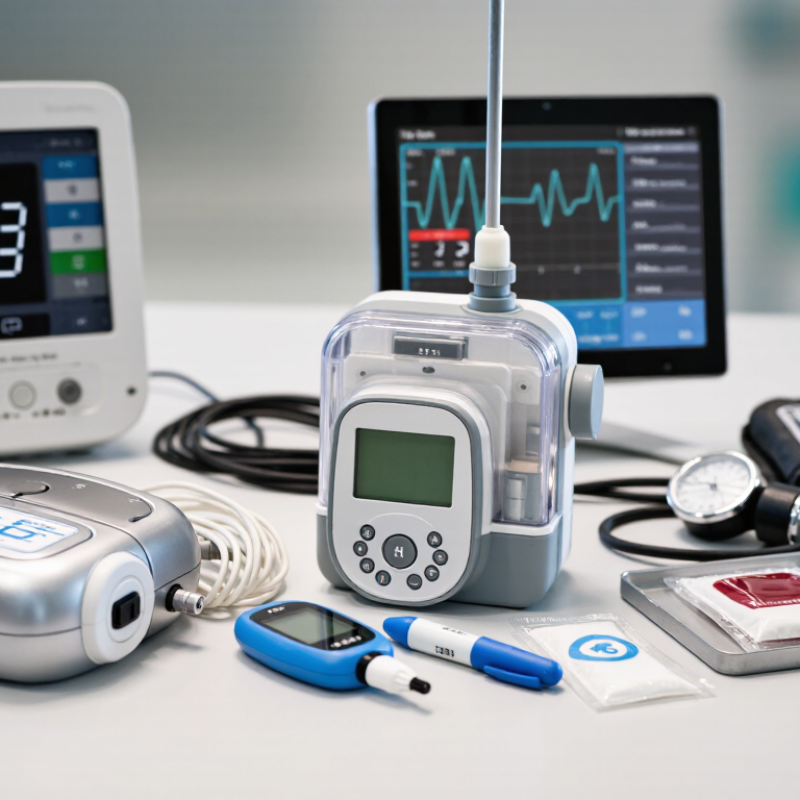
How to Know Which Certifications Medical Devices Need

Define the Device and Identify Its Target Markets

Before asking which certifications a device needs, define its intended purpose in one plain sentence. State what it does, for whom, and where it will be used. Note whether it diagnoses, monitors, treats, or supports care. Include the user, patient group, contact duration, power source, and setting: a home bedside, adult ward, or operating room. Small distinctions matter. A wearable monitor may be assessed differently from software that informs a diagnosis.

The World Health Organization’s Medical devices fact sheet estimates that roughly 2 million device types are available worldwide, grouped into more than 7,000 generic categories. Broad labels like “monitor” are a weak starting point.

Choose target markets before mapping certification requirements. List each country or region, intended users, buyers, and care settings. Language and reimbursement needs may also shape the product. Compare how each market classifies the same device description, then verify local registration, assessment, and quality-system expectations with qualified regulatory specialists.

One certificate may not travel everywhere. It often doesn’t. Keep a worksheet for model variants, accessories, software versions, claims, and intended-use differences. Be candid about uncertainty: if sales teams describe the device differently, its regulatory definition is not settled. Refine that wording before testing or filing.

Classify the Device by Risk and Intended Use

A device’s risk classification starts with what it is designed to do, not just its name or appearance. A reusable instrument that briefly touches intact skin may raise different concerns from an implanted device that supports a vital function. Consider how long the device contacts the body, whether it enters the body, and whether it delivers energy or measures patient data. Small details matter. Intended use matters just as much: a monitor that displays a reading may be assessed differently from one that claims to diagnose a condition. Describe the user, patient, setting, and purpose in plain language. Be precise.

These details help determine which regulatory pathway and evidence may apply in each market. The exact requirements vary by location, device type, and current rules, so risk class alone does not identify every certification or submission needed. Keep a written rationale linking each design feature and intended claim to the classification decision. If the device has several uses, assess each one rather than relying on the least demanding scenario. Do not guess. A first assessment can be wrong, especially when intended use changes during development. Review the classification with qualified regulatory specialists and revisit it when claims, materials, or instructions change.

How to Know Which Certifications Medical Devices Need

Classify the device by risk and intended use. This chart shows the relative risk order of device classes under the EU Medical Device Regulation (MDR); the values are ordinal, not measurements of risk.

How to read it: Class I devices generally follow a manufacturer-led conformity assessment, with notified-body involvement for certain sterile, measuring, or reusable surgical instruments. Classes IIa, IIb, and III generally require notified-body conformity assessment. The applicable route depends on the device’s intended purpose and specific classification rules; requirements differ by jurisdiction.

Determine the Required Regulatory Approvals and Certifications

How to Know Which Certifications Medical Devices Need

Determine the Required Regulatory Approvals and Certifications

A device does not need the same approval everywhere. Requirements depend on its intended use, risk class, technology, and market. Start by defining exactly what the device does and what its label claims. Then check the destination authority’s rules: for example, the US FDA’s applicable pathway or conformity assessment under the EU Medical Device Regulation. ISO 13485 supports quality-system controls, while ISO 14971 addresses risk management; neither is a universal substitute for market authorization. The WHO Global Atlas of Medical Devices 2022 gathered information from 140 countries, reflecting how regulatory capacity and requirements vary between markets. One market at a time.

Build a requirements matrix listing each market, device classification, required evidence, quality-system expectations, and submission route. Confirm whether testing, clinical evidence, a local representative, or a notified body is required. Keep records linking each requirement to test reports, risk files, labeling, and manufacturing controls. A polished certificate can still be insufficient if it covers a different device scope or market. I still see teams underestimate labeling changes. Small detail. Big impact.

Tips: Check current guidance directly with the relevant regulator before design freeze. Ask a qualified regulatory specialist to review borderline classifications. Track certificate scope and expiry dates, and document why each approval applies. Leave time for questions from reviewers; timelines are rarely as neat as project plans suggest.

How to Know Which Certifications Medical Devices Need - Determine the Required Regulatory Approvals and Certifications

Market Main regulatory route Typical device classification Approval, registration, or conformity assessment When additional assessment is commonly needed Important distinction
United States Regulation by the Food and Drug Administration (FDA) Class I, II, or III, based on intended use and risk Depending on the device: 510(k) clearance, De Novo classification, or Premarket Approval (PMA). Establishment registration and device listing may also apply. Many Class II devices require 510(k) clearance. A novel device without a suitable predicate may qualify for De Novo. Class III devices generally require PMA unless an exception applies. Registration and listing are not the same as FDA clearance or approval. Some Class I and Class II devices are exempt from premarket notification, subject to applicable limits.
European Union EU Medical Device Regulation (MDR) conformity assessment Class I, IIa, IIb, or III CE marking after the applicable conformity assessment; a notified body is required for most devices above Class I and for certain Class I devices. Notified-body involvement depends on classification and characteristics. Certain Class I devices, including sterile, measuring, or reusable surgical instruments, require notified-body involvement for specified aspects. CE marking is a conformity mark, not a government-issued product approval. Class I devices that meet the relevant conditions may be self-declared by the manufacturer.
Canada Medical Devices Regulations administered by Health Canada Class I, II, III, or IV Class II, III, and IV devices generally require a Medical Device Licence. Class I devices do not require a device licence; establishment licensing may apply to businesses that import or distribute devices. Class II–IV applications require evidence appropriate to the device and risk class. Quality-management-system evidence is required for Class II–IV licensing. A device licence and an establishment licence are different requirements. Requirements depend on the party’s role and the device’s class.
Australia Therapeutic Goods Administration (TGA) regulation Class I, Is, Im, IIa, IIb, III, or AIMD Most medical devices must be included in the Australian Register of Therapeutic Goods (ARTG) before supply, unless an exemption or exclusion applies. Conformity-assessment evidence is required as applicable. Higher-risk devices generally require more extensive conformity-assessment evidence. The evidence route depends on device class, manufacturer status, and the applicable assessment procedure. ARTG inclusion is distinct from a certificate issued by a conformity-assessment body. Exemptions and special supply pathways have specific conditions.
Japan Pharmaceuticals and Medical Devices Act framework Classes I–IV, with risk-based review routes Depending on classification and device type: notification, third-party certification, or marketing approval. Specified Class II devices may use a certified-body route. Many Class III and IV devices require marketing approval; some Class II devices also require approval. The applicable route depends on the device category and whether a certification standard exists; classification alone may not identify the full pathway.
United Kingdom Great Britain and Northern Ireland have distinct regulatory arrangements Risk-based classification under the applicable rules For Great Britain, registration with the Medicines and Healthcare products Regulatory Agency (MHRA) is required before placing devices on the market; applicable marking and conformity-assessment rules must also be met. Northern Ireland follows relevant EU rules. Conformity-assessment requirements depend on device class and the rules applicable in the relevant UK territory. Transitional recognition arrangements may affect acceptable marking routes. Check current MHRA guidance for the territory and placing-on-market date; requirements and transition timelines can change.
Multiple markets Quality-management system Applies across device types, with scope and evidence varying by market ISO 13485 certification may support quality-system evidence and regulatory assessments. Some markets or routes require a recognized quality-management-system assessment. Certification or audit requirements depend on the target market, device class, manufacturer role, and conformity-assessment route. ISO 13485 certification alone does not authorize a device for sale and is not a substitute for market-specific approvals or registrations.
Multiple markets Electrical safety and electromagnetic compatibility Relevant to electrical medical devices and equipment Testing against applicable standards, such as IEC 60601-series standards, may form part of technical documentation or a conformity assessment. Applicable tests depend on the device, intended environment, accessories, and market-specific requirements. A test report or standards compliance is not, by itself, a market authorization or universal certification.

Match Applicable Standards, Testing, and Documentation

A device’s intended use, users, and sales markets shape which standards apply. Start with a clear description of what the device does, where it contacts the body, and how long it is used. A reusable instrument may need cleaning and sterilization evidence, while a powered device may require electrical safety and electromagnetic compatibility testing. Details matter. Risk classification can also change the expected evidence, so confirm it for each market rather than assuming one route fits everywhere.

Build a standards matrix that links each requirement to a test, document, and responsible owner. Record the standard’s edition and the reason it applies; applicability can depend on design details. Testing should reflect real use, including foreseeable misuse where relevant. A test report is useful, but it may not explain why a sample represents the finished device. Keep design versions, protocols, results, and deviations traceable. The technical file may also need risk analysis, labeling, usability records, and clinical evidence. A late gap is frustrating. Review the matrix as the design changes, and ask a qualified regulatory specialist to verify uncertain interpretations. Teams sometimes treat documentation as paperwork after testing; that is an easy assumption to make, and a poor one.

Check Labeling, Registration, and Ongoing Compliance Requirements

Certification is not a single checklist item for every medical device. Requirements depend on the destination market, device classification, intended use, and sometimes its technology. Start by confirming the applicable regulatory pathway with the relevant authority or a qualified regulatory professional. Then distinguish product authorization from manufacturer or establishment registration; they are not interchangeable.

Review labeling against the device’s authorized purpose. Check the package, instructions for use, warnings, symbols, language, and required identification details. A label describing a broader benefit than the evidence supports can create real problems. Small details matter. Keep approved versions controlled, and record who reviewed each change. It is easy to overlook a translated insert or a label on a spare component.

Compliance continues after market entry. Maintain registration records where required, retain technical and quality documentation, and monitor complaints, incidents, and product changes. A new supplier, software update, or manufacturing-site change may affect the regulatory file, even when the device looks unchanged. Keep dates and decisions traceable; a tidy spreadsheet helps, but it is not a substitute for sound records. Requirements vary by jurisdiction and device, so verify current rules before relying on an old certificate or internal checklist. The boundary between a minor change and a reportable one can be less obvious than expected.

FAQS

What should I define before checking certification requirements?

Write one plain sentence stating what the device does, who uses it, and where. Note the patient group, contact duration, power source, and care setting. Details matter.

Why choose target markets early?

Requirements can differ by country or region. List intended users, buyers, care settings, language needs, and reimbursement considerations for each market. One certificate may not travel everywhere.

What determines a device’s risk classification?

Classification depends on intended use and design features, not just the device’s name. Consider body contact, duration, whether it enters the body, and whether it delivers energy or measures patient data.

Can similar devices follow different regulatory pathways?

Yes. A monitor that displays a reading may be assessed differently from one that claims to diagnose a condition. That distinction can be easy to miss.

How should teams connect standards with testing?

Create a standards matrix linking each requirement to a test, document, and owner. Record the standard edition and why it applies. Review the matrix when designs change.

What evidence might a technical file need?

Depending on the device and market, it may include risk analysis, labeling, usability records, clinical evidence, and test reports. Keep protocols, results, and design versions traceable.

Why should testing reflect real use?

Realistic testing can reveal issues that a narrow test misses. Consider foreseeable misuse where relevant, and explain why each test sample represents the finished device.

When should classification be reviewed again?

Revisit it when claims, materials, instructions, or intended uses change. A first assessment can be wrong. Ask qualified regulatory specialists to review uncertain interpretations.

Conclusion

Knowing what certifications should medical devices have begins with clearly defining the device, its intended purpose, and the markets where it will be sold. These details help determine how regulators may classify it and what evidence may be needed. Because requirements can vary by device type, risk level, and market, there is no single certification checklist that applies to every product.

After classification, identify the applicable regulatory approvals and certifications, then map relevant standards to testing and technical documentation. The review should also cover labeling, registration, and any obligations that continue after the device enters the market, such as maintaining records or updating documentation when the device changes. A structured assessment helps manufacturers plan the right steps, avoid unnecessary testing, and support safe, compliant use throughout the device’s lifecycle.

Sophia

Sophia

Sophia is a dedicated marketing professional with an exceptional depth of knowledge about her company's products and services. With a keen understanding of market trends and customer needs, she crafts insightful blog posts that not only inform but also engage readers, enriching the company’s online......