Maintaining hygiene in urology care products is not a single action. It is a daily system built around clean hands, careful storage, correct handling, and timely replacement. This guide introduces how to maintain hygiene in urology care products, including catheters, drainage bags, collection containers, lubricants, and protective accessories. Each item deserves attention. Even a sealed product can become unsafe if stored beside a damp sink or handled with unwashed hands.
Dr. Didier Pittet, a leading hand-hygiene researcher, expresses the principle clearly: “Clean care is safer care.” Before opening a package, wash your hands with soap and water, then dry them with a clean towel. Check the seal, expiry date, and product condition. Discard items with torn packaging, unusual odors, discoloration, or visible damage. Keep supplies in a cool, dry cabinet, away from toilets, pets, chemicals, and direct sunlight. Reusable equipment should follow the manufacturer’s cleaning instructions, not guesswork. Harsh disinfectants may damage materials or leave irritating residues.
Small details matter. Keep tubing off the floor. Avoid touching sterile tips. Do not reuse products labeled for single use. Clean frequently touched surfaces, such as bedside tables and storage handles. A written routine can reduce forgotten steps, especially during busy mornings. Still, no routine is perfect. People may rush, misunderstand instructions, or overlook moisture inside a container. That weakness deserves honest review. Seek guidance from a qualified urologist, nurse, or pharmacist when instructions conflict, symptoms appear, or product use feels unclear. Redness, increasing pain, fever, cloudy urine, or unusual discharge requires prompt medical attention.
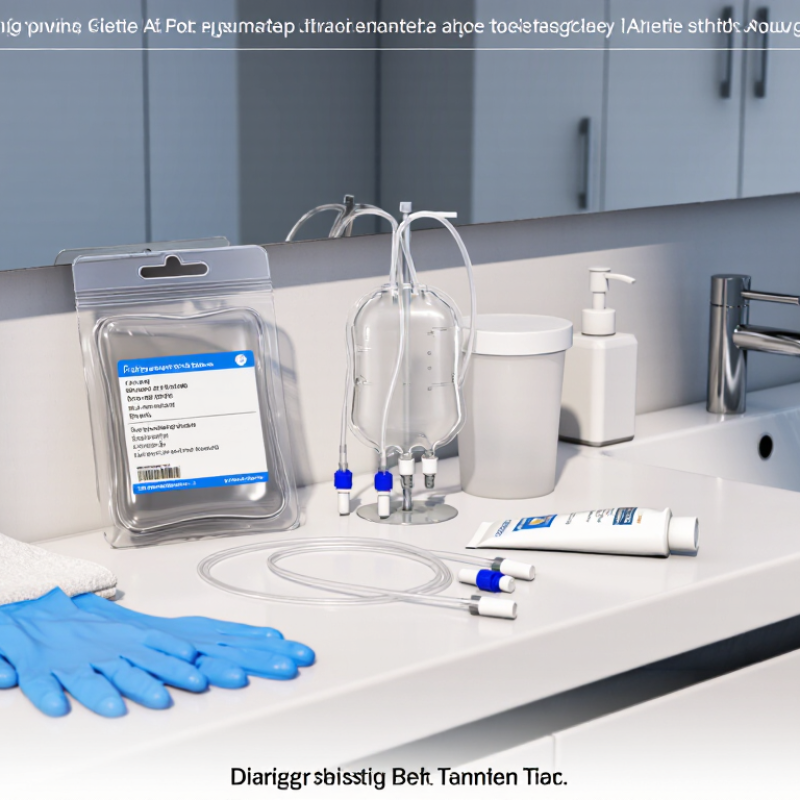
Choosing hygienic urology care products requires more than checking a sealed package. The product should have intact sterile packaging, a clear expiry date, and storage instructions. Smooth surfaces and rounded edges can reduce discomfort and tissue irritation. For urinary catheters, the correct size matters. A larger catheter is not automatically safer. Inappropriate sizing may cause trauma or unnecessary pain.
The Centers for Disease Control and Prevention reports that urinary catheters cause about 75% of hospital-acquired urinary tract infections. This makes drainage design important. Choose products with closed systems, secure connectors, and easy-to-clean external surfaces. A latex-free option may suit users with known sensitivities. WHO’s 2022 global infection prevention report estimates that 7% of acute-care patients in high-income countries acquire at least one healthcare-associated infection. The figure reaches 15% in low- and middle-income countries. These numbers support careful product selection and consistent handling.
Instructions should be readable, practical, and medically reviewed. Avoid products with damaged seals, unclear materials, or vague cleaning guidance. A lower price can be attractive, but it should not outweigh hygiene controls. No product is perfectly hygienic. I would still question whether the user can handle it safely at home. Hand washing, clean storage, and timely replacement remain essential. Product choice should also consider mobility, skin condition, allergies, and professional advice.
Reusable urology supplies need disciplined cleaning, not quick rinsing. Organic residue can shield microorganisms from disinfectants. The CDC recommends cleaning devices before disinfection or sterilization, following the manufacturer’s instructions. Critical items entering sterile tissue require sterilization. Semicritical devices contacting mucous membranes generally require high-level disinfection. Use trained staff, appropriate gloves, eye protection, and a clean-to-dirty workflow. At the procedure point, remove visible soil promptly. Flush channels carefully. Use the correct enzymatic detergent, brush size, water quality, and contact time. Small shortcuts create large risks.
Drying matters. Completely.
After cleaning, inspect hinges, seals, channels, and connectors under strong light. A flexible scope may need leak testing before processing. Automated equipment can improve consistency, but it does not replace inspection. Record the device, cycle, operator, chemical concentration, and outcome. The Association for the Advancement of Medical Instrumentation’s ST91 guidance emphasizes point-of-use treatment, thorough drying, storage, and traceability for flexible and semi-rigid endoscopes. The World Health Organization reported that healthcare-associated infections affect about 7 in 100 acute-care patients in high-income countries and 15 in lower- and middle-income countries (WHO Global Report on Infection Prevention and Control, 2022). That figure is sobering, although it does not prove every case came from reusable equipment. Procedures should be reviewed when residue, wet storage, or repeated processing failures appear. Some routines seem efficient. They may not be safe.
Clean storage is a daily safety control in urology care. Keep catheters, drainage bags, lubricant, and sterile accessories in a dry, covered cabinet. The CDC recommends protecting sterile supplies from dust, moisture, insects, and temperature extremes. Never place packages directly on the floor. Check seals and expiry dates before opening. A damaged wrapper is not “probably fine.”
WHO’s 2022 Global Report on Infection Prevention and Control states that strong infection prevention programs can reduce healthcare-associated infections by up to 70%. Storage supports that goal, but it cannot replace hand hygiene or proper cleaning. Staff should wash and dry their hands before handling products. Use the oldest intact stock first. Separate clean supplies from used equipment, waste, and personal items. A rushed handoff can undo careful preparation. That deserves attention.
Tips: Keep a simple stock-check log. Record damaged packaging, moisture, and expiry concerns. Do not compress sterile packs or store them under heavy boxes. Follow the product’s instructions for reusable devices, including cleaning, drying, and reprocessing steps. If guidance seems unclear, pause and ask the infection prevention team. Small uncertainties matter.
Source: CDC Guideline for Disinfection and Sterilization in Healthcare Facilities; WHO Global Report on Infection Prevention and Control, 2022.
In urology care, hygiene depends on more than clean hands. It also depends on replacing disposable items before they become a hidden source of contamination. Catheter drainage bags, protective gloves, absorbent pads, and single-use lubricant packets all need clear handling rules.
Follow the product instructions and the patient’s care plan. Replace a drainage bag when it reaches its stated limit, becomes damaged, leaks, or shows unusual cloudiness or odor. Do not wait for a dramatic problem. A wet pad should be changed promptly, even when the skin looks normal. Moisture can soften skin and cause irritation within hours. Use fresh gloves for each care task. Dispose of used items immediately in the appropriate waste container. Never reuse single-use supplies.
Look closely each time. Check seals, tubing connections, and packaging before use. If packaging is torn, damp, or expired, choose another item. In home care, write the replacement date on a simple log. This small habit helps when several caregivers share responsibility. Still, no checklist is perfect. A busy shift can make timing easy to overlook. Report warning signs promptly. These include fever, increasing pain, blood, blockage, or foul-smelling urine. Contact a qualified healthcare professional without delay. Replacement schedules may need adjustment for heavy drainage, sweating, mobility limits, or local clinical guidance.
| Care Product | Recommended Replacement Timing | Replace Immediately When | Key Hygiene Practice | Important Consideration |
|---|---|---|---|---|
| Intermittent catheter | Use a new catheter for each procedure when the product is labeled single-use. Reuse only when specifically approved by a healthcare professional and supported by written cleaning instructions. | The catheter is damaged, contaminated, blocked, or has touched a non-sterile surface. | Wash hands before and after catheterization; follow the prescribed clean or aseptic technique. | Replacement schedules vary by catheter type and clinical instructions. Do not assume a single-use device can be safely reused. |
| Indwelling urinary catheter | Do not replace at a routine fixed interval solely because time has passed. Replace according to clinical indications and the product instructions. | There is obstruction, leakage, infection-related indication, accidental disconnection, or a break in the closed system. | Maintain a closed drainage system, keep the tubing free of kinks, and perform routine daily hygiene with soap and water. | Only trained healthcare personnel should insert or replace an indwelling catheter unless a care plan states otherwise. |
| Urine drainage bag | Do not change on a fixed routine schedule unless required by local policy or the manufacturer. Replace based on clinical need or system integrity. | The bag or tubing is leaking, visibly damaged, disconnected, contaminated, or obstructed. | Keep the bag below bladder level, avoid placing it on the floor, and empty it using a clean technique. | Avoid unnecessary disconnections because they can compromise the closed drainage system. |
| Single-use drainage-bag outlet container | Use a dedicated container for one person and clean it according to the care plan; discard disposable containers after use or when contaminated. | The container is visibly soiled, cracked, leaking, or used by another person. | Prevent the drainage outlet from touching the container or surrounding surfaces. | Empty the bag before it becomes overly full, following the patient’s care instructions. |
| Sterile lubricant sachet | Use one sterile, single-use sachet for one catheterization procedure. | The sachet is opened, expired, damaged, or its contents have been touched or contaminated. | Apply lubricant without allowing the nozzle or remaining product to contact the catheter or skin. | Use only a lubricant compatible with the catheter and the prescribed procedure. |
| Disposable examination gloves | Use a new pair for each patient and each separate care task that requires gloves. | Gloves become torn, visibly soiled, wet inside, or contaminated during the task. | Perform hand hygiene before putting on gloves and immediately after removing them. | Gloves do not replace hand hygiene and should not be washed or reused. |
| Disposable underpad or absorbent pad | Replace after each care episode when wet or soiled, and immediately after leakage or contamination. | The surface is wet, visibly dirty, damaged, or has been contaminated with urine or feces. | Keep skin clean and dry; dispose of used pads promptly in accordance with local waste procedures. | Regular changes help reduce prolonged moisture exposure and skin irritation. |
| Disposable cleansing wipe | Use each wipe once and discard it after cleaning one area or completing one cleaning pass. | The wipe is visibly soiled, dried out, dropped, or used on an unintended surface. | Clean from the least contaminated area toward the more contaminated area and avoid back-and-forth reuse. | Use products appropriate for the patient’s skin and follow any clinical instructions. |
| Catheter securement device | Replace according to the manufacturer’s instructions, local policy, or when the device no longer maintains securement. | The device is loose, wet, soiled, damaged, or causing skin irritation. | Secure the catheter without tension and check the skin regularly for redness, pressure, or breakdown. | Avoid adhesive products on damaged skin unless directed by a healthcare professional. |
| Sterile urine specimen container | Use a new sterile container for every specimen collection. | The seal is broken, the container is expired, damaged, dropped, or the inside has been touched. | Keep the inside and lid interior sterile and label the specimen according to clinical or laboratory requirements. | Do not transfer a specimen into an unapproved household container. |
Preventing cross-contamination is central to safe urology care. Clean hands before opening, handling, or adjusting any product. Wash with soap for at least 20 seconds, then dry with a clean towel. Alcohol hand sanitizer is useful when washing is unavailable, but visibly soiled hands need soap and water.
Keep catheters, drainage tubing, collection containers, and cleansing supplies on a clean, dry surface. Do not place sterile parts on a bathroom counter or near a sink. Avoid touching connection points, openings, and insertion surfaces. If contact happens, pause and follow the product instructions or ask a healthcare professional. A small mistake can matter. Rushed routines often create contamination risks, even when the user understands the procedure.
Tips: Open packaging only when ready. Use each single-use item once. Do not share personal urology products. Keep reusable items separate from used materials, and clean them exactly as instructed. Store supplies in a closed, dry container, away from heat and pets. Replace damaged, wet, or expired packaging. Dispose of used items in accordance with local healthcare guidance. Check the drainage bag and tubing for leaks, unusual cloudiness, blood, pain, fever, or a strong new odor. These signs require professional advice. I sometimes underestimate how quickly a clean area becomes cluttered; preparing one clear workspace makes safer habits easier.
Check the seal, expiry date, materials, and storage instructions.
No. The correct size matters more than a larger size.
Wash your hands with soap for at least 20 seconds.
Keep them on a clean, dry surface away from sinks and bathroom counters.
Replace drainage bags at their stated limit or when they leak or become damaged.
Write each replacement date in a simple log.
Seek prompt advice for fever, increasing pain, blood, blockage, or foul-smelling urine.
Consider mobility, skin condition, allergies, and the person’s ability to handle care safely.
Maintaining hygiene in urology care products is essential for reducing irritation, infection risk, and discomfort. The best approach begins with choosing clean, appropriate products that are individually packaged when possible and made from materials suitable for their intended use. Reusable supplies should be washed promptly after use with the recommended cleanser, rinsed thoroughly, and disinfected according to their care instructions. They must be completely dry before storage in a clean, covered area away from moisture, dust, and direct contact with unclean surfaces.
Understanding how to maintain hygiene in urology care products also means handling them carefully during use. Wash and dry your hands before touching any product, avoid allowing sterile parts to contact surrounding surfaces, and never share personal supplies. Disposable items should be replaced at the recommended time or immediately if they become damaged, soiled, or difficult to clean. Separating clean and used items, using fresh gloves when appropriate, and following professional guidance can further prevent cross-contamination and support safer, more consistent urology care.

Ryu Medical