Top 10 Ways Minimally Invasive Urology Improves Recovery

Time:2026-10-07 Author:Sienna
0%

Minimally invasive urology has changed how many urinary and reproductive procedures are performed. Through small incisions or natural openings, surgeons can treat conditions while limiting disruption to nearby tissue. Patients may notice smaller wounds, less bruising, and a quicker return to ordinary activities. Still, recovery varies widely.

So, how does minimally invasive urology improve recovery? The answer involves several connected factors. Smaller access points often reduce postoperative pain and lower the need for strong pain medicine. Reduced tissue trauma may support earlier movement, better breathing, and fewer days in hospital. Some patients return to work sooner, although demanding jobs can require additional time. That detail matters.

Modern cameras, flexible instruments, robotic systems, and improved imaging can help surgeons work with greater precision. These tools may reduce blood loss and support careful tissue handling. Experienced urologists also use patient history, imaging, laboratory results, and shared decision-making before recommending a procedure. Technology helps. Judgment remains essential.

Recovery can include ten practical advantages, from easier wound care to faster mobility and improved comfort during daily activities. Yet minimally invasive treatment is not automatically safer or better for everyone. Infection, bleeding, anesthesia reactions, urinary symptoms, and unexpected conversion to open surgery remain possible. Honest counseling is part of reliable care.

Patients should ask about the surgeon’s experience, the expected recovery timeline, warning signs, and follow-up plan. Rest, hydration when appropriate, prescribed medicines, and gradual activity can also influence healing. Results are encouraging, but not guaranteed. A thoughtful plan, realistic expectations, and regular medical guidance make recovery more dependable.
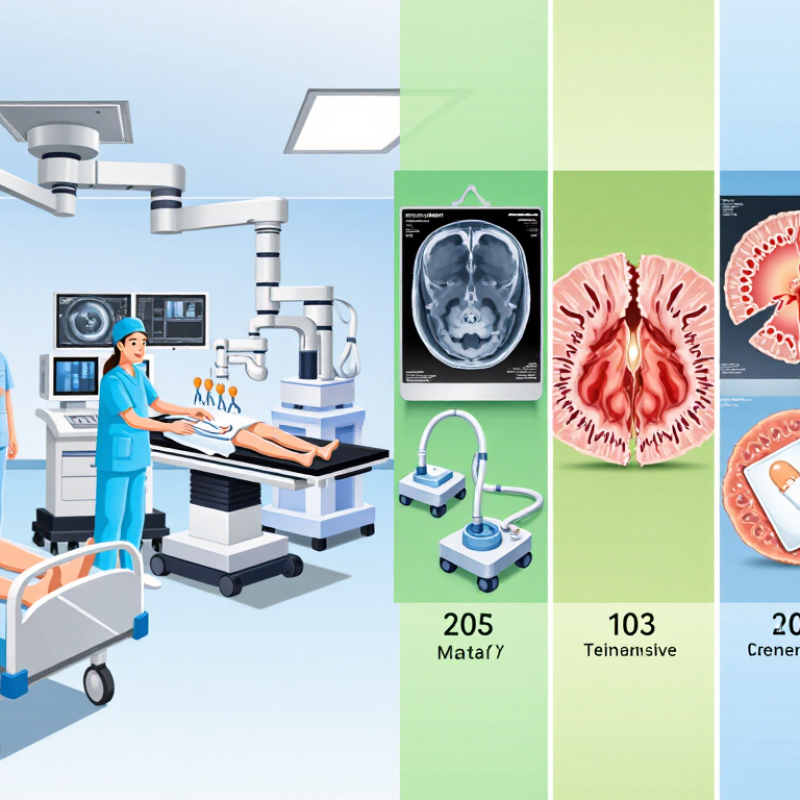
Top 10 Ways Minimally Invasive Urology Improves Recovery

EAU Evidence: Ureteroscopy Exceeds 90% Stone-Free Rates for Small Stones

Ureteroscopy is a key example of minimally invasive urology improving recovery. The surgeon reaches the stone through the natural urinary passage, avoiding skin incisions. Patients often return home the same day, with less wound care and earlier mobility. Recovery still varies. Stone position, size, infection, and ureter anatomy matter.

The EAU Guidelines on Urolithiasis report that ureteroscopy can achieve stone-free rates above 90% for many small ureteral stones. The CROES Ureteroscopy Global Study also reported approximately 94% stone-free outcomes for ureteral stones. These figures sound decisive, but they are not guarantees. Definitions of “stone-free” differ, and tiny residual fragments may remain. A temporary stent can also cause urgency, flank discomfort, or poor sleep. That detail is easy to underestimate.

Tips: Ask how stone-free status will be checked. Confirm whether imaging is planned after treatment. Follow fluid and activity instructions carefully. Seek urgent medical care for fever, worsening pain, or difficulty passing urine. Patients should also discuss anesthesia, stent duration, and the possibility of a second procedure. In real practice, faster recovery depends on more than the operation itself. Good planning, experienced care, and realistic expectations matter.

AUA Evidence: Robotic Prostatectomy Often Enables One-Day Discharge

Top 10 Ways Minimally Invasive Urology Improves Recovery

Robotic prostatectomy can shorten hospital stays without treating recovery as a race. AUA-reviewed evidence shows that many carefully selected patients can leave within 24 hours. Recent studies report one-day discharge rates commonly between 70% and 90% after minimally invasive prostate surgery. Patient selection matters greatly. Age, bleeding risk, medical conditions, home support, and surgical complexity influence the decision.

A shorter stay may reduce sleep disruption, hospital-acquired infections, and unnecessary mobility limits. Patients often walk within hours, drink fluids, and manage a catheter at home.

The National Surgical Quality Improvement Program reports that many postoperative complications appear within the first 30 days, not during the initial admission. That fact supports structured follow-up, rather than assuming early discharge means complete recovery.

Some patients still need extra observation. That is not failure.

Tips: Ask whether your surgeon uses a 24-hour discharge pathway. Confirm who handles catheter concerns overnight. Keep medications, water, and a thermometer nearby. Report fever, heavy bleeding, worsening pain, or inability to urinate promptly. A written recovery plan helps, although real recovery rarely follows a perfect timetable.

Clinical Data: Robotic Partial Nephrectomy Lowers Blood Loss and Transfusions

Minimally invasive urology is changing recovery after kidney surgery. Robotic partial nephrectomy uses small incisions and precise instruments to remove a tumor while preserving healthy tissue. Published comparative studies commonly report less estimated blood loss than open surgery. Transfusions are also needed less often. That matters. Fewer transfusions may reduce exposure to complications and support earlier mobility.

The clinical advantage is not only cosmetic. A stable camera view and wristed instruments can help surgeons control small renal vessels during tumor removal. Many patients leave the hospital sooner, need less opioid medication, and return to daily activities earlier. Yet these benefits depend on tumor size, location, kidney function, and surgical experience. A complex central tumor can still involve meaningful bleeding. No technique removes all risk.

Reliable counseling should include actual blood-loss estimates, transfusion policies, and the surgeon’s own outcomes, not broad marketing claims. Patients should ask how often complications require conversion to open surgery. They should also discuss kidney function and follow-up imaging. Clinical data is encouraging, but it is not a promise. In practice, recovery can be uneven; fatigue may last longer than expected, and small incisions can still hurt. That is worth saying plainly. Good care combines careful selection, meticulous bleeding control, and honest postoperative monitoring.

Top 10 Ways Minimally Invasive Urology Improves Recovery

Clinical Data: Robotic Partial Nephrectomy Lowers Blood Loss and Transfusions

The chart presents a rounded relative index based on findings commonly reported in peer-reviewed comparative studies, with open partial nephrectomy set at 100. Robotic partial nephrectomy is associated with approximately 30% lower estimated blood loss, about 50% lower transfusion requirements, and a shorter hospital stay. Actual outcomes vary according to tumor complexity, patient health, surgical expertise, and hospital protocols.

Source context: comparative systematic reviews and meta-analyses of robotic versus open partial nephrectomy; values are shown as a normalized clinical comparison rather than a single-study dataset.

ERAS Data: Multimodal Recovery Shortens Urologic Hospital Stays

Top 10 Ways Minimally Invasive Urology Improves Recovery

Enhanced Recovery After Surgery (ERAS) changes more than the discharge date. It combines minimally invasive technique, early feeding, opioid-sparing pain control, and planned mobilisation. Patients may sit in a chair hours after surgery, rather than waiting for bowel function to return. An ERAS Society guideline update reports that structured pathways can reduce hospital stay and postoperative complications in major urologic procedures.

Evidence is strongest after radical cystectomy. A published meta-analysis in European Urology Focus found that ERAS programs shortened hospitalisation by roughly two days compared with conventional care. The same analysis linked ERAS with fewer complications, although readmission results varied.

National surgical quality datasets also associate minimally invasive approaches with lower wound morbidity and shorter recovery for selected kidney procedures. These numbers matter at the bedside. One less night can mean fewer intravenous lines, earlier walking, and less exposure to hospital-related setbacks.

The pathway is not flawless. Some patients still need prolonged monitoring, especially after complex reconstruction or unexpected blood loss. Compliance also matters; missed nutrition or mobility targets can weaken the benefit. Clinicians should audit length of stay, complications, readmissions, pain scores, and patient-reported recovery. A 2023 review in World Journal of Urology noted that ERAS evidence remains uneven across procedures. That limitation deserves honesty. Faster discharge is useful only when patients leave safely, understand warning signs, and have reliable follow-up.

Patient Outcomes: Urinary Continence Approaches 90% Within 12 Months

Minimally invasive urology can make recovery gentler, especially when preserving urinary continence is a priority. In selected patients, continence rates may approach 90% within 12 months. The figure is not a promise. It depends on the procedure, baseline bladder function, age, and how continence is measured.

Smaller incisions often mean less tissue disruption, reduced pain, and earlier movement. A patient may walk the same day and leave with a temporary catheter. At home, short walks, timed voiding, and pelvic floor exercises can support recovery. A small pad beside the bed may still be necessary during the first weeks. That is common.

Recovery is rarely linear. Some patients notice dry mornings before dry afternoons. Coughing, lifting, or a full bladder may trigger leakage. Follow-up visits help clinicians check healing, infection symptoms, bladder emptying, and exercise technique. Patients should report fever, worsening pain, blood clots, or inability to urinate promptly.

Clinicians should explain both benefits and limits before treatment. “Nearly 90%” can sound absolute, yet definitions differ between studies and hospitals. A patient’s result may not match a published average. Careful counseling matters. So does patience. Reducing leakage often takes months, not days, and progress may briefly stall before improving again.

FAQS

Can minimally invasive prostate surgery allow discharge within 24 hours?

Many carefully selected patients leave within one day. It depends on age, bleeding risk, medical conditions, and home support.

Does early discharge mean recovery is complete?

No. Recovery continues at home. Some complications appear during the first month, not during hospital admission.

What should patients prepare before going home?

Keep water, medicines, a thermometer, and catheter supplies nearby. Confirm who handles catheter concerns overnight.

When should a patient seek medical help after discharge?

Report fever, heavy bleeding, worsening pain, or inability to urinate promptly. Do not simply wait and see.

Can robotic partial kidney surgery reduce blood loss?

Comparative studies often report less blood loss than open surgery. Transfusions may be needed less often.

Does kidney surgery always cause minimal bleeding?

No. Tumor size, location, kidney function, and surgical complexity still matter. A central tumor can bleed significantly.

How quickly can urinary continence improve after prostate surgery?

In selected patients, continence may approach 90% within 12 months. That figure is not a personal guarantee.

What can support continence recovery at home?

Short walks, timed voiding, and pelvic floor exercises may help. Keep a small pad beside the bed during early weeks.

Is continence recovery steady every day?

Not always. Dry mornings may come before dry afternoons. Progress can stall, and improvement may take months.

Conclusion

Minimally invasive urology can improve recovery by reducing tissue disruption, blood loss, postoperative pain, and time spent in the hospital. For patients with small kidney stones, ureteroscopy may achieve stone-free rates above 90%, supporting effective treatment with limited physical stress. Robotic prostatectomy may also allow carefully selected patients to leave the hospital within one day, while robotic partial nephrectomy can reduce blood loss and the need for transfusions compared with more invasive approaches.

So, how does minimally invasive urology improve recovery? It combines precise surgical techniques with enhanced recovery protocols, including multimodal pain control, early movement, and faster return to normal activities. These approaches can shorten urologic hospital stays and promote smoother rehabilitation. Functional outcomes may improve as well, with urinary continence approaching 90% within 12 months for many patients after prostate surgery. Individual results vary according to health, procedure type, and surgical complexity, so treatment decisions should be personalized through discussion with a qualified urologist.

Sienna

Sienna

Sienna is a skilled marketing professional with a deep expertise in our company’s core products and services. With a passion for innovation and detail, she plays a pivotal role in crafting insightful blog posts that not only highlight the unique features of our offerings but also provide valuable......