As we look ahead to 2026, the field of respiratory care technology is rapidly evolving. Understanding what are the latest trends in respiratory care technology is crucial for healthcare professionals. Innovations in this sector can significantly enhance patient outcomes and healthcare efficiency. New technologies, such as advanced monitoring systems and telehealth platforms, are reshaping how respiratory conditions are managed.
These advancements promise better data collection and real-time monitoring. For instance, wearable devices now track vital signs continuously. This allows for proactive interventions, potentially reducing hospitalizations. However, the integration of these technologies poses challenges. Staff must adapt to new systems while ensuring data privacy and patient safety. Additionally, disparities in access to these technologies can affect equitable healthcare delivery.
As we explore these trends, professionals must remain aware of the potential pitfalls. Emerging technologies should not overshadow the importance of human interaction in care. Balancing high-tech solutions with compassionate care will be vital. Ultimately, the goal is to improve patient experiences and outcomes, all while staying adaptable to future changes.
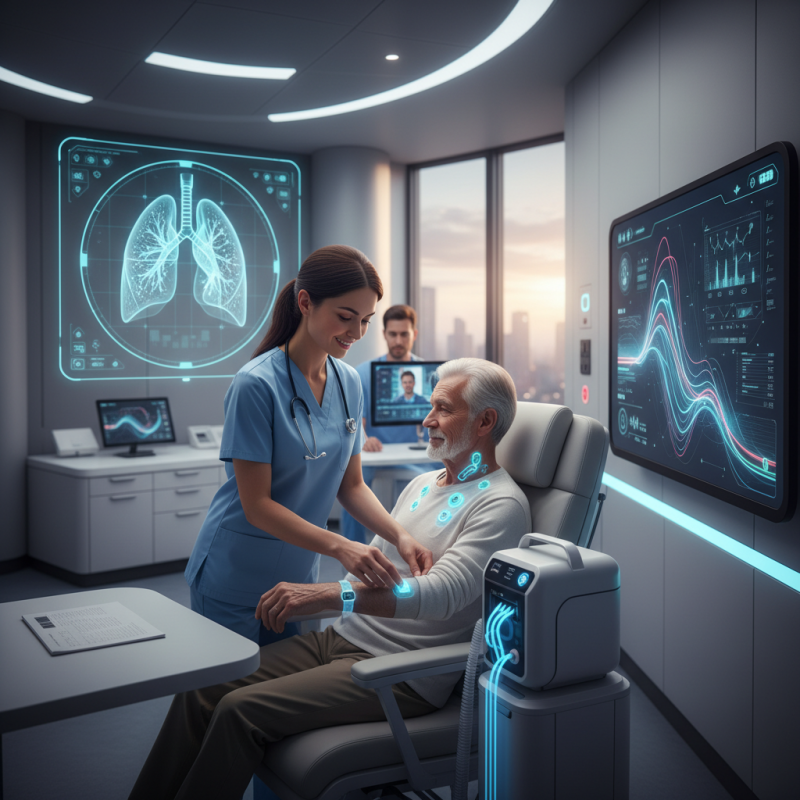
The field of respiratory care is rapidly evolving. New technologies are emerging every day, offering innovative solutions for patient management. Key advancements in ventilator design, telemedicine, and wearable health monitoring are transforming how respiratory conditions are treated.
Telemedicine is reshaping access to care. It allows patients to consult with specialists remotely. This is vital for those living in rural areas. However, not all patients are comfortable using technology. Some may face challenges in navigating digital tools. Continuous training and support can bridge this gap.
Wearable devices are another exciting trend. These gadgets monitor respiratory rates and oxygen levels in real-time. They empower patients to take an active role in managing their health. But, data privacy remains a concern. Patients must be educated about sharing their health data securely.
When exploring these technologies, stay informed. Follow trusted sources for the latest updates. Talk to healthcare providers about new options. Remember, technology should enhance care, not replace personal interaction.
This chart illustrates the impact ratings of various emerging technologies in respiratory care for 2026. Telehealth is anticipated to have the highest impact, followed closely by wearable devices, reflecting the ongoing trend towards remote patient management and innovative monitoring solutions.
Telehealth is transforming respiratory care. Data shows that over 50% of healthcare providers now use telehealth for chronic respiratory conditions. This method allows patients to receive care from their homes, reducing hospital visits significantly. A study indicated that telehealth can enhance patient engagement by 40%. This engagement is crucial for managing conditions like COPD and asthma.
However, challenges remain. Connectivity issues and technology access can hinder patient participation. Many patients still prefer in-person visits. A report highlighted that 30% of patients felt uncomfortable using telehealth platforms. These gaps reveal the need for improved digital literacy and accessibility. Healthcare providers must focus on creating user-friendly systems.
As we look ahead, the integration of telehealth in respiratory management must evolve. Data from the National Heart, Lung, and Blood Institute suggests that remote monitoring could decrease emergency room visits by 25%. Yet, consistent follow-ups and personalized care plans are essential. Engaging patients effectively is not just about technology; it’s about holistic care.
Artificial intelligence (AI) is transforming respiratory diagnostics and treatment. AI algorithms analyze vast patient data, allowing for more accurate diagnoses. Reports indicate that AI applications can reduce the time taken for diagnosing respiratory diseases by up to 50%. This efficiency opens pathways for timely interventions, significantly improving patient outcomes.
Moreover, the use of AI in monitoring devices provides real-time data on patients’ respiratory health. A recent study highlighted that AI-driven systems can predict exacerbations in conditions like COPD. These predictions can lead to prompt medical responses, thereby decreasing hospitalizations. However, reliance on AI raises concerns about over-dependence and the risk of misinterpretation of data.
Tip: Always combine AI insights with clinical judgment. While AI can provide valuable data, it should not replace human expertise. Health professionals must critically evaluate AI recommendations to ensure optimal care. Another tip is to stay updated on AI advancements in respiratory care. Innovations are rapid, and continual learning can enhance diagnostic and treatment proficiency.
Wearable technology is leading the way in chronic respiratory disease management. Devices like smartwatches and health monitors can track vital signs continuously. They provide real-time data on breathing patterns and oxygen levels. This immediate feedback helps patients understand their conditions better. However, the integration of such technology presents challenges.
Many wearables still lack accuracy when it comes to respiratory metrics. The algorithms behind them need refinement. Patients often question the reliability of the data. They want assurance that their daily decisions are based on correct information. Additionally, privacy concerns arise with continuous data collection. Users wonder how their information is stored and shared.
Despite these hurdles, the potential benefits are significant. If manufacturers invest in improving device accuracy, patients could gain valuable insights. Continuous monitoring can prevent hospitalizations and improve quality of life. The road ahead requires collaboration between tech developers and healthcare professionals. This partnership can enhance trust and ensure these tools are both beneficial and secure.
Personalized medicine is making waves in respiratory care. Recent studies highlight how tailored treatments can enhance patient outcomes. For example, genetic testing now informs clinicians about the best therapy for asthma or COPD patients. This shift towards individualized care addresses the unique needs of each patient.
Tips for implementing personalized medicine include thorough patient assessments. Understand each patient's history and genetics. This approach leads to more accurate diagnoses and effective treatment plans. Encourage open communication between patients and providers. Discuss lifestyle factors that may influence respiratory health.
Moreover, monitoring technology continues to evolve. Devices can track medication adherence and lung function in real-time. However, integrating these tools can be challenging. It's essential to ensure that technology complements patient care and does not overwhelm providers. Explore training sessions to familiarize staff with new trends in respiratory care technology.
| Trend | Description | Potential Impact | Clinical Applications |
|---|---|---|---|
| Telehealth Integration | Utilization of remote monitoring and virtual visits to enhance patient care. | Improved access to specialists and real-time health monitoring. | Asthma management, chronic obstructive pulmonary disease (COPD) follow-up. |
| Artificial Intelligence | Advanced algorithms to assess patient data and optimize treatment plans. | Enhanced decision-making and personalized treatment strategies. | Predictive analytics in acute respiratory distress syndrome (ARDS). |
| Wearable Technology | Devices to monitor respiratory function continuously. | Proactive interventions based on real-time data. | Monitoring lung function in COPD and asthma. |
| Personalized Medicine | Tailoring treatment based on genetic and phenotypic characteristics. | Maximized therapeutic efficacy and minimized side effects. | Targeted therapies for asthma and allergy treatments. |
| Home-Based Treatment | Shift towards managing respiratory conditions at home using advanced technologies. | Increased comfort and reduced hospital visits. | Home oxygen therapy, CPAP for sleep apnea. |
: Key advancements include ventilator design, telemedicine, and wearable health monitoring technologies.
Telemedicine allows patients to consult specialists remotely, increasing access, especially for those in rural areas.
Some patients struggle with technology navigation and are uncomfortable using digital tools for consultations.
Continuous training and support can help patients become more comfortable and engaged with telehealth platforms.
Wearable devices monitor respiratory rates and oxygen levels, empowering patients to manage their health actively.
Data privacy is a concern; patients need education on sharing health data securely.
Over 50% of healthcare providers now use telehealth for managing chronic respiratory conditions.
Many patients feel uncomfortable using telehealth platforms and prefer the reassurance of face-to-face interaction.
Remote monitoring through telehealth could decrease emergency room visits by 25% according to research data.
They should create user-friendly systems and ensure consistent follow-ups and personalized care plans for patients.
The article titled "2026 Best Trends in Respiratory Care Technology to Watch" explores what are the latest trends in respiratory care technology that promise to revolutionize the field. Key innovations include advancements in telehealth integration, which are enhancing respiratory management by providing real-time data insights and improving patient engagement. Additionally, artificial intelligence is making strides in diagnostics and treatment, offering more accurate assessments and personalized care strategies.
Wearable technology is also highlighted, with new devices allowing for continuous monitoring of chronic respiratory diseases, thus enabling timely interventions. Furthermore, personalized medicine is gaining traction, as recent studies emphasize tailored treatment approaches based on individual patient data. Together, these trends indicate a shift towards more integrated, efficient, and effective respiratory care solutions.

Ryu Medical