Anesthesia respiratory equipment plays a vital role in modern medicine. Dr. Emily Chen, a leading anesthesiologist, highlights its importance by stating, “This equipment supports patients' breathing during procedures.” Understanding what is the purpose of anesthesia respiratory equipment is crucial for both medical professionals and patients.
These tools ensure that patients receive adequate oxygen while under anesthesia. They help maintain stable ventilation and prevent complications. In surgeries, any disruption in breathing can lead to severe outcomes. Thus, having reliable equipment is essential.
Yet, even with advanced technology, challenges remain. Equipment can sometimes fail. Training to use these machines effectively is critical. Discussions around reliability, safety, and adequacy are ongoing in the medical community. This reflection encourages continuous improvement in anesthesia practices. It also emphasizes the need for awareness among healthcare providers.
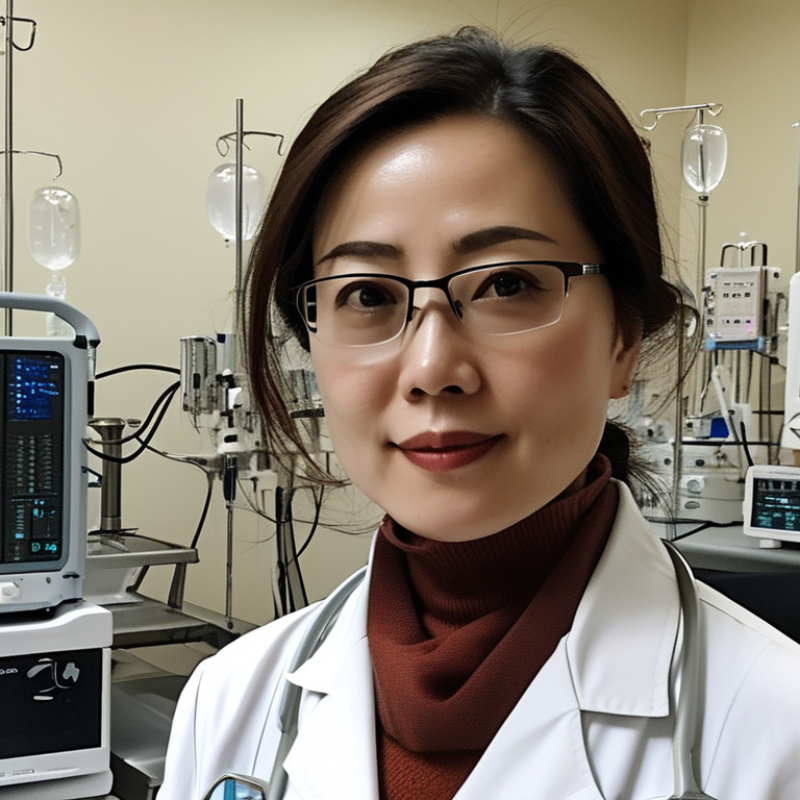
Anesthesia and respiratory equipment play a crucial role in modern healthcare in China. These tools are essential for patient safety during surgeries and critical care. Anesthesia machines, ventilators, and monitors ensure that patients are adequately sedated and supported throughout medical procedures. The design of these devices often reflects the latest technological advancements, aiming to improve patient outcomes.
In recent years, China's market has seen rapid growth in this sector. The demand for advanced equipment is driven by the increasing number of surgical procedures and a rising aging population. Many hospitals seek to enhance their capabilities with innovative solutions. However, challenges remain. The integration of technology in healthcare can sometimes lead to over-reliance on machines, risking the art of traditional care.
Furthermore, the disparity in equipment access between urban and rural areas raises concerns. Rural hospitals may lack proper anesthesia and respiratory devices. This gap can impact the quality of care delivered to patients. Continuous training for healthcare professionals is equally vital. Knowledge gaps can lead to improper equipment use, compromising patient safety. It is essential for practitioners to be adept at using these tools while maintaining a personal touch in patient interactions.
China's anesthesia and respiratory equipment market is rapidly evolving. Recent reports indicate a compound annual growth rate (CAGR) of over 7% expected through 2025. This growth is fueled by increasing surgical procedures and the adoption of advanced technologies.
Key features of leading anesthesia equipment in China include precision monitoring and user-friendly interfaces. Many devices now incorporate advanced sensors for real-time data collection. This feature enhances patient safety and ensures quick interventions when necessary. Notably, the integration of artificial intelligence is becoming common, aiding anesthesiologists in delivering optimal doses and managing patient responses effectively.
Reliability is a crucial aspect of anesthesia equipment. Many devices now meet international safety standards. However, not all equipment performs flawlessly under diverse conditions. Regular maintenance and staff training remain vital. Addressing these areas can minimize risks and improve overall efficacy. As the industry continues to grow, a focus on quality and reliability will be essential for patient care and trust.
Anesthesia procedures often involve complex management of respiratory support. Effective respiratory equipment is critical. It ensures the patient maintains oxygen levels during surgery. Reports indicate that approximately 70% of complications arise from respiratory challenges in anesthesia. This emphasizes the need for reliable respiratory support systems.
A recent study highlighted that using advanced ventilators can reduce the risk of hypoxia during operations. Proper monitoring of the patient’s airway is essential. Healthcare professionals should be vigilant in assessing respiratory patterns continuously. This awareness can minimize risks significantly.
**Tips:** Always check the calibration of anesthesia machines. Regular maintenance can prevent unexpected failures. Be cautious of equipment selection; not all machines are equally effective. Prioritize patient comfort and safety over convenience.
| Equipment Type | Purpose | Key Features | Common Uses |
|---|---|---|---|
| Anesthesia Machine | Deliver anesthetic gases and maintain patient ventilation | User-friendly interface, advanced monitoring systems | Surgery, pain management |
| Ventilator | Support or control ventilation for patients | Modes of ventilation, alarms for patient safety | Critical care, postoperative recovery |
| Laryngeal Mask Airway (LMA) | Secure airway during anesthesia | Flexible design, improved airway sealing | General anesthesia, emergency procedures |
| Endotracheal Tube | Establish airway and administer anesthetic | Curved shape for easy insertion, cuff for sealing | Surgical anesthesia, long-term ventilation |
| Capnograph | Monitor carbon dioxide levels during ventilation | Real-time analysis, color-coded feedback | Anesthesia monitoring, resuscitation efforts |
Advancements in anesthesia equipment are crucial for ensuring patient safety during surgeries. Various innovations enhance monitoring and delivery systems, reducing risks associated with anesthesia. New technologies, such as improved gas delivery mechanisms, make administration safer and more precise. These systems minimize the chance of hypoxia or hypercapnia, critical concerns in patient management.
Tips: Always check equipment before use. Regular maintenance prevents unexpected failures. Ensure that staff is well-trained on new devices and protocols.
Continuous improvements in patient monitoring are vital. Real-time data provides insights into physiological changes, alerting teams to any potential issues swiftly. Smart systems can now analyze a patient’s data, predicting complications and allowing for proactive interventions. However, reliance on technology can be concerning. Technological failures pose risks. This is why human oversight remains essential.
Tips: Emphasize human factors in training. Encourage staff to prioritize hands-on assessments alongside technology. Remember, equipment cannot replace clinical intuition.
Anesthesia and respiratory equipment in China must meet strict regulatory standards. These standards ensure patient safety and efficacy during medical procedures. The Chinese government emphasizes the importance of quality control in this sector. Manufacturers face rigorous testing before their products reach hospitals.
The process involves multiple phases. Initial assessments check for design safety and reliability. Functional tests ensure that the equipment performs as intended. Compliance with international standards is also crucial, despite the unique challenges faced in the local manufacturing landscape. Issues often arise with maintaining high-quality control within smaller production facilities.
While China has made significant strides, gaps remain. Some equipment does not fully meet both international and domestic standards. This disconnect can lead to concerns about safety and reliability. Continuous monitoring and regular updates to regulations are necessary to tackle these issues effectively. The commitment to enhanced quality must be unwavering to protect patient well-being in anesthesia and respiratory care.
This chart illustrates the compliance rate of anesthesia and respiratory equipment with regulatory standards in China from 2018 to 2022. The data indicates a significant improvement over the years, reflecting the ongoing efforts in ensuring safety and effectiveness in medical equipment.
: These tools ensure patient safety during surgeries and critical care procedures. They aid in proper sedation and support throughout.
Urban-rural disparities exist, with rural hospitals often lacking proper devices. This can negatively impact patient care quality.
Effective respiratory support is crucial. Reports show about 70% of complications arise from respiratory issues, highlighting their importance.
Ongoing training ensures proper equipment use. Knowledge gaps can compromise patient safety and lead to poor outcomes.
Equipment that doesn’t meet standards may pose risks. Regular compliance checks can help maintain safety and reliability.
Equipment should be selected based on effectiveness and patient comfort. Not all machines deliver the same level of care.
Regular checks can prevent failures during procedures. Calibration is vital to ensure equipment operates effectively.
Strict regulations aim to ensure safety and efficacy. Compliance with international standards is necessary despite local manufacturing challenges.
Continuous assessment of airway patterns is essential. Vigilance can significantly reduce risks of respiratory complications.
Over-reliance on machines can diminish personal patient care. Balancing technology with human touch is essential for patient interaction.
Anesthesia respiratory equipment plays a crucial role in ensuring patient safety and comfort during medical procedures in China. This article explores what is the purpose of anesthesia respiratory equipment, which includes providing vital respiratory support and facilitating the administration of anesthetic agents. Advanced features of leading anesthesia machines in China enhance their efficacy and reliability, addressing the needs of both patients and healthcare professionals.
Furthermore, the article highlights the importance of respiratory support in anesthesia procedures, emphasizing how innovations in equipment design significantly improve patient outcomes. Regulatory standards in China ensure that these medical devices meet rigorous safety criteria, fostering advancements that prioritize patient well-being. Overall, understanding the purpose and functionality of anesthesia respiratory equipment is essential for enhancing the quality of care in medical settings.

Ryu Medical