Selecting a medical device supplier is a quality decision, not just a purchasing task. The World Health Organization’s Global Atlas of Medical Devices describes a market spanning roughly two million device types and more than 7,000 generic groups. That breadth makes a single checklist inadequate. It also makes careful verification essential.
This guide explains how to select reliable medical device suppliers by examining evidence, not promises. Start with the device’s intended use, risk level, and markets served. Then review the supplier’s quality system, relevant certifications, traceability records, change-control process, and history of corrective actions. Ask how incoming materials are checked and how complaints are investigated. Ask for records. A polished brochure is not proof. The U.S. FDA’s Quality Management System Regulation, effective February 2, 2026, aligns its requirements more closely with ISO 13485:2016. This is a useful reference point, but certification alone does not establish that every product or process is suitable for your needs.
Look beyond the audit day. Can the supplier explain a batch record clearly? Are inspection results available, and can staff trace a component to its source? Check communication, delivery performance, and plans for shortages or design changes. Where possible, verify claims with independent documentation and qualified regulatory or quality professionals. No scorecard is flawless; a supplier may look strong on paper and still struggle when a process changes. Treat that gap as a reason to ask better questions, not to assume the worst. Reliable selection depends on documented controls, transparent answers, and ongoing review—not one impressive meeting.
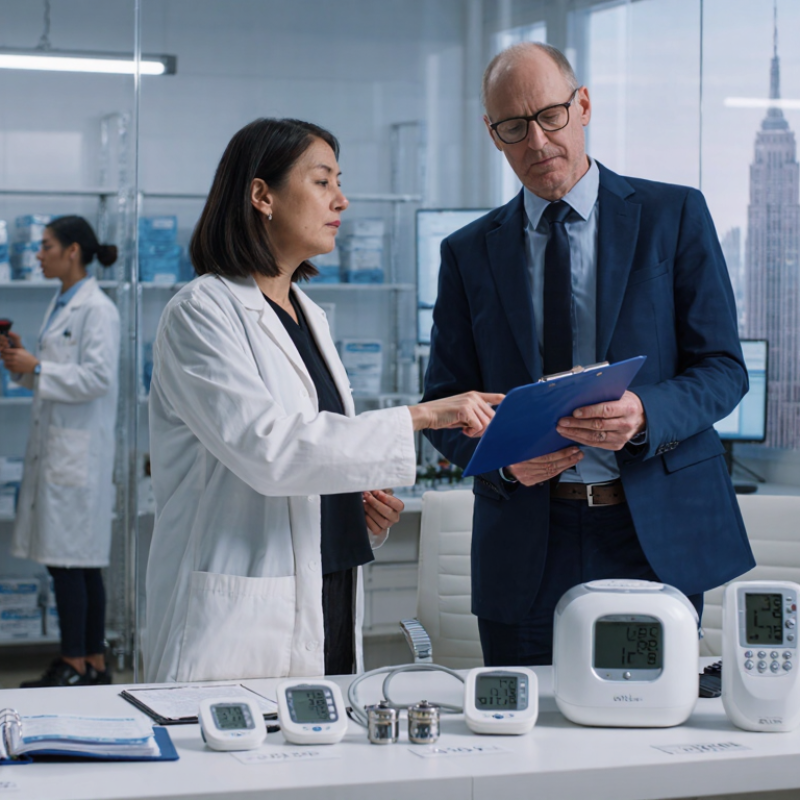
Before contacting suppliers, define the device’s intended use and the markets where it will be sold. Risk classification can depend on invasiveness, contact duration, and the consequences of failure. A product may fall into different classes across markets. Map each market’s requirements before comparing supplier capabilities. Confirm classifications using current official guidance or a qualified regulatory professional; assumptions can become costly.
Tips: Ask suppliers for evidence relevant to your device and target markets, not a generic certificate pack. Check registration details, quality-system certificate scope, traceability records, and change-control procedures. Request a sample batch record and ask who performs critical manufacturing steps. Small details matter. A certificate alone does not show that a supplier can consistently meet your product’s requirements.
Screen suppliers against the controls your classification requires, including design documentation, testing, and post-market support where applicable. Verify that documents are current and match the actual manufacturing site. This review can feel slow, and teams may be tempted to defer it when schedules tighten. That pressure is understandable, but it can obscure gaps before production begins. Even a careful checklist needs follow-up questions.
Use this planning table to establish the device’s intended purpose, risk classification, and target markets before assessing suppliers. The examples are indicative only: classification depends on intended use, design, duration and invasiveness of use, claims, and applicable regulatory rules. Confirm each determination against current local requirements.
| Device category and example | United States (FDA) | European Union (EU MDR) | Canada | Supplier evidence to request before screening | Key screening questions |
|---|---|---|---|---|---|
| Non-invasive, low-risk device Example: reusable manual examination instrument |
May be Class I, depending on the device and applicable FDA classification regulation. Some Class I devices are exempt from premarket notification, subject to limitations. | May be Class I under EU MDR, subject to the applicable classification rules and any relevant special characteristics. | May be Class I under Canada’s risk-based classification system. | Quality management system certificate or documented quality procedures; device specifications; intended-use statement; materials and cleaning instructions; manufacturing-site details; applicable market registrations or listings. | Can the supplier provide traceable manufacturing records, consistent specifications, and documented cleaning or reprocessing instructions? Are any regulatory exemptions being claimed, and are their conditions met? |
| Diagnostic or monitoring device Example: non-invasive patient monitor |
Often Class II, but the exact class and premarket pathway depend on the device’s intended use and FDA classification. A 510(k) may be required where applicable. | May be Class IIa or IIb depending on the device’s purpose, use, and applicable EU MDR rules. | May be Class II or higher depending on the device’s intended use and risk. | Market-specific authorization or conformity documentation; risk-management records; performance and electrical-safety evidence where applicable; software validation records if software is included; supplier and component traceability. | Does the supplier’s evidence cover the exact model, intended use, accessories, and software version? Are testing, change control, complaint handling, and post-market processes documented? |
| Short-term invasive device Example: a surgical instrument that temporarily enters the body |
Classification varies by device type and intended use; many devices are Class II, while some are Class I or Class III. Confirm the applicable FDA regulation and pathway. | May be Class IIa or IIb; classification depends on the type of invasiveness, duration, and intended purpose under the EU MDR rules. | May be Class II, III, or IV depending on the device’s risk and intended use. | Material specifications; sterilization validation if supplied sterile; packaging and shelf-life validation; biocompatibility evidence where applicable; design and process validation; lot-level traceability; regulatory certificates or authorizations for target markets. | Is sterilization performed and validated for the supplied configuration? Can the supplier link each lot to materials, manufacturing records, and release criteria? Are packaging and shelf-life claims supported? |
| Long-term implantable or life-supporting device Example: implantable active device |
Often Class III for high-risk implantable or life-supporting devices; applicable premarket approval or another specific FDA pathway must be determined for the device. | Often Class III for high-risk implantable devices, subject to the EU MDR classification rules and specific exceptions. | Often Class III or IV, depending on the device and its risk profile. | Evidence of market authorization; audited quality-system documentation; design verification and validation; clinical or performance evidence as applicable; supplier controls for critical components; sterilization, packaging, traceability, and post-market records. | Can the supplier demonstrate control of critical subcontractors and materials? Are design changes, deviations, nonconformities, and field safety actions managed and communicated promptly? |
| In vitro diagnostic (IVD) Example: laboratory test kit or analyzer |
FDA classification and pathway depend on the IVD’s intended use and specific device type; requirements may include premarket review or other applicable controls. | EU IVDR classes are A, B, C, and D. The class depends on the intended purpose and the applicable IVDR classification rules. | Canadian IVDs are classified from Class I to Class IV according to risk; higher-risk IVDs generally require more extensive licensing controls. | Market-specific IVD authorization or conformity documentation; analytical and clinical performance evidence as applicable; reagent and calibrator controls; software validation where relevant; stability, labeling, and lot-release documentation. | Do performance claims match the evidence and intended-use labeling? Are reagent lots, stability, calibration, software versions, and changes controlled across the product lifecycle? |
| Cross-market supplier qualification Applies to any device category |
Verify the applicable FDA classification, establishment obligations, and premarket requirements for the specific device and role in the supply chain. | Verify EU MDR or IVDR obligations, conformity assessment route, and the roles of the manufacturer, authorized representative, importer, and distributor as applicable. | Verify the applicable Canadian device class, establishment licensing obligations, and device licensing requirements for the relevant party and product. | Legal manufacturer and manufacturing-site identities; current certificates and licenses where required; scope and validity dates; quality agreements; audit history; change-notification process; business-continuity and complaint-escalation procedures. | Do certificates and authorizations cover the exact product, site, and regulatory role? Are responsibilities, audit access, regulatory notifications, records retention, and supplier-change approvals defined in writing? |
Sample a recent production batch. Trace it from incoming materials to final release, and check approvals, nonconformance controls, and verified corrective actions. Paperwork alone is not enough.
Records should link a finished device to its components, production date, inspection results, and distribution history. Try a sample lot or serial number.
Measure how quickly the supplier finds a complete record set. Disconnected spreadsheets can create access or revision gaps. A small mismatch deserves review, but is not proof of system failure.
Manufacturers generally retain technical documentation and the EU declaration of conformity for at least ten years after the last device is placed on the market. For implantable devices, the period is at least fifteen years.
Clarify which supporting records the supplier holds, who is responsible, and how long records remain available. Include retrieval procedures, retention triggers, and secure access during staff changes.
Review the last 12 months of orders, including late and partial shipments. Compare delivery dates with purchase orders and receiving logs, and ask how on-time delivery is calculated.
Request production volumes, lead times, staffing assumptions, and plans for demand spikes. Check whether capacity is reserved for your orders or shared with other customers.
Look for clear responsibilities, backup production steps, and recovery targets for equipment failures, staff shortages, and material delays. Ask when the plan was last tested.
Treat the unexplained metric as a risk to investigate. Note what remains uncertain before approval. No plan removes every disruption.
Selecting a dependable medical device supplier starts with defining the device’s risk class and the regulatory markets it must serve. This helps establish appropriate screening criteria from the outset. Review the supplier’s ISO 13485:2016 certification and quality controls aligned with FDA 21 CFR Part 820, then assess how its risk management process addresses the principles of ISO 14971:2019. Ask for clear, current evidence rather than relying on general assurances.
A thorough evaluation should also examine audit practices, component and batch traceability, and the ability to retain records required for EU MDR compliance. Compare suppliers using documented measures for delivery performance, production capacity, and continuity planning, including how they handle disruptions and changing demand. Taking these steps provides a practical framework for how to select reliable medical device suppliers and make a decision grounded in verifiable quality, regulatory readiness, and operational resilience.

 Ryu Medical