Top 10 Common Types of Medical Tubing Used in Healthcare?

Time:2026-03-25 Author:Amelia
0%

In the healthcare industry, understanding "what are the common types of medical tubing used in healthcare" is essential for ensuring patient safety and effective treatment. Dr. Emily Chen, a noted expert in medical devices, emphasizes, "Choosing the right tubing can significantly impact patient outcomes."

Medical tubing serves various purposes, from delivering medications to sustaining life. Various types are essential in everyday healthcare settings. PVC, silicone, and polyurethane are among the most common materials used. Each type has unique characteristics that affect flexibility, durability, and compatibility with medications.

While advancements in medical tubing technology are remarkable, there are challenges. Some tubing materials may cause allergic reactions in a small number of patients. Additionally, improper sizing can lead to leaks or blockages. These imperfections remind us of the critical importance of continuous learning and improvement in medical practices. Ultimately, a deep understanding of medical tubing types can help healthcare professionals make informed decisions that enhance patient care.
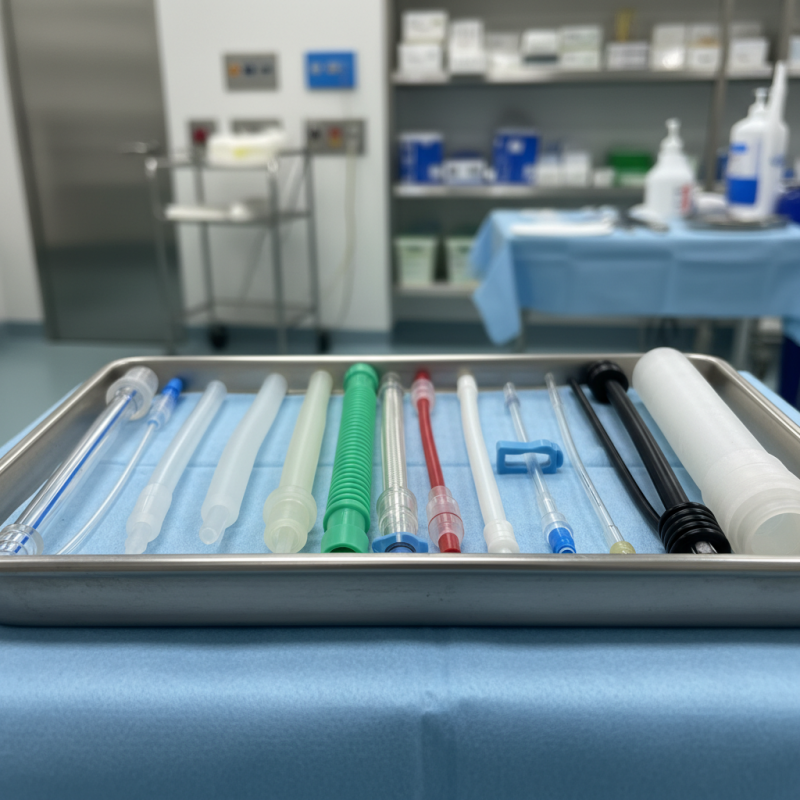
Top 10 Common Types of Medical Tubing Used in Healthcare?

Types of Medical Tubing: An Overview of Key Applications

Medical tubing plays a crucial role in healthcare. It is involved in various applications, from fluid administration to drainage. Different types cater to specific needs. In emergency settings, for instance, silicone tubing is popular due to its flexibility and biocompatibility. Studies show these characteristics enhance patient comfort and usability.

Polyvinyl chloride (PVC) tubing is also widely used, especially for intravenous and transfusion applications. Its affordability and effectiveness make it a staple. Yet, concerns about plasticizer leaching into fluids have raised alarms. Clarity about material safety is essential. Health professionals must stay informed about potential risks.

Tips: Always check the tubing specifications. Verify the compatibility with the IV solutions being used. Regular training is vital for staff regarding the latest in tubing technology. Amid advancements, the potential for manufacturing defects exists, requiring ongoing quality assurance. Be vigilant; it’s crucial for patient safety.

Silicone Tubing: Properties and Use Cases in Healthcare

Silicone tubing plays a crucial role in healthcare. Its flexibility and durability make it ideal for various applications. According to industry reports, silicone materials can withstand extreme temperatures, from -60°C to 200°C. This characteristic is essential for processes that require sterilization.

The biocompatibility of silicone is another key feature. Studies show that silicone reduces the risk of allergic reactions in patients. Because silicone tubing is non-reactive, it is often used in intravenous lines and catheters. These applications are crucial for delivering medications and fluids safely.

However, not all silicone products are created equal. Some manufacturers may cut corners in quality, resulting in compromised safety. It’s vital for healthcare professionals to vet suppliers thoroughly. A recent survey highlighted that 15% of healthcare providers reported issues with silicone tubing. This statistic raises concerns about overall patient safety. Investing in quality silicone tubing can help mitigate these risks, ensuring better outcomes for patients.

Polyvinyl Chloride (PVC) Tubing: Versatility in Medical Environments

Polyvinyl Chloride (PVC) tubing is widely used in medical settings. Its affordability and ease of use make it a popular choice. PVC is lightweight and flexible, which makes it easy to handle. This tubing can be found in various applications, from IV lines to drainage systems. Its versatility is a significant advantage.

While PVC tubing is valuable, it is essential to consider its limitations. Over time, it may become brittle or degrade, especially when exposed to high temperatures or certain chemicals. This can lead to leaks or failures in critical situations. Additionally, there are concerns about the environmental impact of PVC, as it is not biodegradable.

Healthcare professionals must regularly assess the condition of PVC tubing. Visual inspections can help catch issues early. Despite its drawbacks, PVC continues to play a crucial role in healthcare. However, balancing benefits with potential risks is necessary. The conversation about using PVC must include discussions about sustainability and safety.

Top 10 Common Types of Medical Tubing Used in Healthcare

This chart illustrates the common types of medical tubing used in healthcare, with polyvinyl chloride (PVC) tubing being the most widely used due to its versatility, followed by silicone and polyurethane. The usage frequency indicates their prevalence in various medical applications.

Nylon Tubing: Advantages and Common Applications in Medicine

Nylon tubing is highly regarded in the medical field for its durability and flexibility. Its strength allows it to withstand high pressures, making it suitable for various applications. According to a report from the Journal of Medical Devices, nylon tubing can endure pressures exceeding 300 psi. This makes it ideal for processes requiring reliable and robust medical equipment.

In addition to its durability, nylon tubing is resistant to many chemicals. This characteristic enables its use in various scenarios, from fluid transfer to surgical operations. Data from the National Institute of Health indicates that nylon is commonly selected for IV administration sets and catheter applications. Its ability to maintain structural integrity under different conditions makes it a popular choice.

However, there are concerns. One drawback is its susceptibility to certain solvents, which can compromise its performance. This can lead to safety issues if not properly managed. Additionally, the production of nylon has environmental impacts that need addressing. As healthcare continues to evolve, the focus on materials that balance performance and sustainability is crucial. The conversation about nylon's role must continue, exploring both its advantages and potential drawbacks.

TPE and TPR Tubing: Innovative Solutions for Modern Healthcare Needs

In modern healthcare, TPE (Thermoplastic Elastomer) and TPR (Thermoplastic Rubber) tubing have emerged as innovative solutions. These materials offer flexibility and durability, essential for various medical applications. Their soft and pliable nature makes them ideal for patient comfort.

TPE and TPR tubing have excellent chemical resistance. This property is vital in ensuring the safety and efficacy of medical devices. It helps to maintain the integrity of fluids and prevents contamination. However, while they are widely used, not all applications suit these materials. It's important to assess compatibility.

**Tip:** Always check compatibility with the intended fluid. This prevents potential issues during administration.

TPE and TPR can be molded into various shapes. This versatility allows for custom designs tailored to healthcare needs. Yet, designing these tubes might come with challenges. Factors like wall thickness and flexibility need careful consideration. A design that works well in one scenario may fail in another.

**Tip:** Prototype different designs. Testing them in real-world conditions helps identify any shortcomings.

Top 10 Common Types of Medical Tubing Used in Healthcare

Type of Tubing Material Applications Features
TPE Tubing Thermoplastic Elastomer Suction and drainage applications Flexible, durable, and biocompatible
TPR Tubing Thermoplastic Rubber Medical devices and catheters Excellent elasticity and chemical resistance
Silicone Tubing Silicone Rubber Infusion and blood transfer High temperature resistance and flexibility
PVC Tubing Polyvinyl Chloride IV administration and feeding Cost-effective and easy to sterilize
Nylon Tubing Nylon Polymer Pressure lines in medical equipment Strong and lightweight
Polyethylene Tubing Polyethylene Fluid transfer and general purpose Highly chemical resistant
PTFE Tubing Polytetrafluoroethylene Chemical transfer in labs Non-stick and high temperature resistant
Polyurethane Tubing Polyurethane Catheters and flexible tubing Enhanced flexibility and abrasion resistance
Rubber Tubing Natural/Synthetic Rubber General medical tubing Elastic and durable
Ethylene Vinyl Acetate Tubing Ethylene Vinyl Acetate Specialized medical devices Soft and tough with good stress-crack resistance

FAQS

: What are the advantages of nylon tubing in medical applications?

: Nylon tubing is durable and flexible. It withstands high pressures, exceeding 300 psi.

Why is nylon tubing commonly used in IV administration sets?

Its chemical resistance makes it suitable for fluid transfer and surgical operations.

What is a common concern regarding nylon tubing?

Nylon can be affected by certain solvents. This can lead to safety issues.

How do TPE and TPR tubing benefit modern healthcare?

They offer flexibility and durability, enhancing patient comfort during use.

Are TPE and TPR tubing suitable for all medical applications?

No, compatibility with intended fluids must be assessed first.

What should be considered when designing TPE and TPR tubing?

Wall thickness and flexibility are critical factors. Designs may not work universally.

Why is testing important for custom tubing designs?

Real-world testing identifies potential shortcomings in design and material performance.

What environmental concerns are associated with nylon production?

The production process has environmental impacts that must be communicated.

How can nylon tubing's disadvantages lead to safety issues?

Compromised performance from solvent effects can create unsafe medical conditions.

What is a recommended practice before using TPE and TPR tubing?

Always prototype and test various designs to ensure they meet specific needs.

Conclusion

In the healthcare sector, tubing plays a critical role in various medical applications, and understanding what are the common types of medical tubing used in healthcare is essential for practitioners and facility managers. This overview highlights several key materials: silicone tubing, known for its biocompatibility and flexibility, is widely used in applications ranging from infusion systems to respiratory devices. Polyvinyl chloride (PVC) tubing offers versatility and is often chosen for its durability and ease of sterilization, making it suitable for a variety of medical environments.

Nylon tubing is recognized for its strength and resistance to kinking, making it ideal for use in high-pressure applications. Additionally, thermoplastic elastomer (TPE) and thermoplastic rubber (TPR) tubing provide innovative solutions that combine flexibility with durability, catering to modern healthcare needs. Together, these materials showcase the evolving landscape of medical tubing, addressing specific requirements across various healthcare applications.

Amelia

Amelia

Amelia is a seasoned marketing professional with a wealth of expertise in our company’s core offerings. With an unwavering passion for driving growth and innovation, she plays a pivotal role in shaping our marketing strategies and enhancing brand visibility. A key aspect of her responsibilities......