In the ever-evolving healthcare landscape, the integration of advanced medical equipment plays a pivotal role. Dr. Emily Carter, a leading expert in healthcare technology, emphasizes, "Advanced equipment is essential to enhance patient outcomes." This statement resonates with the ongoing dialogue about how to optimize patient care with advanced medical equipment.
Proper utilization of modern tools can significantly boost diagnostic accuracy and treatment efficiency. However, it's crucial to recognize that simply acquiring advanced equipment is not enough. Staff training and technology integration must align seamlessly. Many healthcare facilities face challenges in adapting to these tools. Mistakes can lead to patient discomfort or misdiagnosis.
To effectively enhance patient care, a commitment to continuous learning is vital. Engaging with staff and embracing feedback can transform the use of technology in daily operations. Understanding how to optimize patient care with advanced medical equipment requires a holistic approach and ongoing reflection. It’s a journey rather than a destination, marked by dedication to improvement and adaptability.
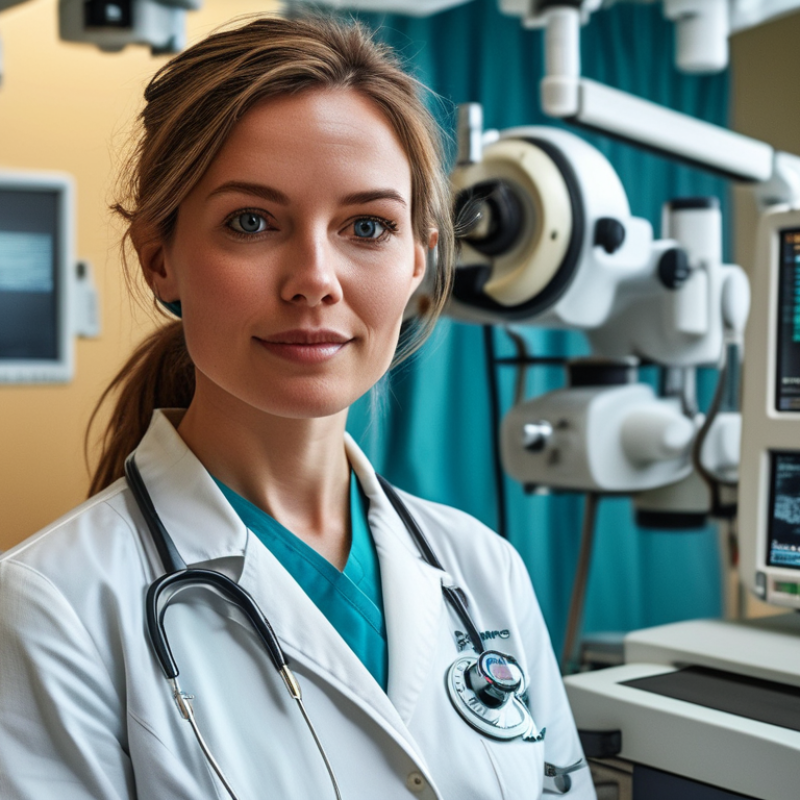
Advanced medical equipment plays a crucial role in enhancing patient care across various healthcare settings. A recent report by the World Health Organization indicates that hospitals equipped with state-of-the-art imaging devices increase diagnostic accuracy by up to 40%. This improved accuracy leads to better treatment plans tailored to individual needs. Hospitals that implement advanced monitoring systems can reduce patient complications by 30%, according to a study published in the Journal of Healthcare Technology.
However, the adoption of such technology comes with challenges. Not all healthcare facilities can keep pace with rapid advancements in equipment. Limited budgets restrict access to the latest tools, potentially widening the gap in patient care quality. Training staff to effectively utilize new equipment is also necessary; failing to do so compromises the benefits these devices offer. The integration of advanced medical technology into daily practice necessitates ongoing assessment and investment.
Incorporating sophisticated tools is not an end in itself but a means to enhance outcomes. The complex interplay between technology and human interaction remains critical. While equipment can greatly assist healthcare providers, it cannot replace the essential elements of compassion and understanding in patient care. Balancing technological advancements with human touch is key in enhancing patient experiences and outcomes.
The landscape of healthcare is rapidly changing, driven by the incorporation of advanced medical equipment. Technologies such as MRI machines and robotic surgical systems are transforming diagnostics and surgical interventions. According to a report by the Global Market Insights, the global MRI market is expected to exceed $7 billion by 2026, reflecting its critical role in patient care.
Robotic systems, such as minimally invasive surgical robots, enhance precision and reduce recovery time. Data indicates that hospitals utilizing these systems have seen a 20% decrease in patient recovery duration. However, reliance on technology can sometimes overshadow the necessity for human touch in care—highlighting a need for balance in the approach to patient interactions.
Additionally, telemedicine tools have emerged as vital assets in healthcare delivery. The Telehealth Research Network states that remote monitoring can increase patient engagement by 25%, yet access remains a challenge for many underserved populations. Improving technology should not overlook the accessibility issues that persist in the industry. Thus, while advanced medical equipment undoubtedly enhances patient care, it is crucial to ensure equity in its application, fostering inclusive health solutions.
This chart illustrates the frequency of different types of advanced medical equipment used in healthcare facilities and their applications in enhancing patient care. The data reflects the importance of various equipment types in supporting medical staff and improving patient outcomes.
Integrating advanced medical equipment into clinics can significantly enhance patient care. However, successful implementation requires careful planning and consideration. Healthcare facilities should start by evaluating their specific needs and the technology that aligns with those requirements. Engaging staff is crucial in this process. Training sessions can empower team members to use new equipment effectively. Ignoring their input may lead to resistance and reduce the benefits of the new technology.
Technology alone does not ensure improved outcomes. Physical space must also adapt to accommodate new devices. Clinics should analyze workflows and assess if existing layouts are efficient. Sometimes, a simple rearrangement can enhance functionality. Reflecting on these operational challenges is vital. Assessing equipment usability and potential barriers upfront can prevent future frustrations. Waiting until after installation to consider these aspects can be detrimental.
Patient engagement is another key factor. Advanced equipment often involves new processes that might confuse some patients. Clear communication about how the technology will aid their care is essential. Clinics should provide resources and support to help patients adjust. A lack of clarity may lead to anxiety and reluctance to use new systems. Emphasizing patient-centered approaches from the outset can create an environment conducive to both care and innovation.
Training healthcare professionals to use advanced medical devices effectively is crucial. These devices often come with complex functionalities that can significantly enhance patient care. However, ensuring that staff are proficient in using them can be challenging. Many healthcare workers report feeling overwhelmed by the technology. This gap in knowledge can lead to underutilization of advanced equipment.
Effective training programs should include hands-on experience with equipment. Simulations can replicate clinical scenarios, allowing professionals to practice and refine their skills. Interactive learning approaches can engage healthcare staff and build confidence. Regular workshops can reinforce knowledge and keep skills current. Feedback from medical professionals can help improve these training programs, making them more relevant and practical.
Creating a culture of continuous learning is essential. Healthcare teams must feel motivated to update their skills as technology evolves. Some staff may resist new methods, fearing they will not keep up. Open discussions about these concerns can alleviate anxiety. This transparency fosters a supportive environment where professionals feel empowered to embrace new technologies. Ultimately, investing in training can lead to better patient outcomes and satisfaction.
| Category | Medical Equipment | Training Method | Expected Outcome |
|---|---|---|---|
| Imaging Devices | MRI Scanner | Hands-on Workshop | Improved Diagnosis Accuracy |
| Surgical Instruments | Robotic Surgical System | Simulation Training | Reduced Surgery Time |
| Monitoring Devices | Patient Vital Signs Monitor | E-Learning Modules | Enhanced Patient Safety |
| Laboratory Equipment | Automated Blood Analyzer | On-the-job Training | Faster Test Results |
| Therapeutic Devices | Infusion Pump | Instructor-led Seminars | Improved Medication Delivery |
Advanced medical equipment plays a crucial role in patient care. Technologies like imaging devices or robotic surgical tools can significantly influence outcomes. These innovations provide clinicians with precise data for better decision-making. For example, real-time imaging can lead to more accurate diagnoses. This minimizes the chances of errors during treatment.
However, the integration of advanced equipment into healthcare is not without challenges. Training staff is essential. Without proper understanding, even the best technology can fail to deliver desired results. Additionally, reliance on machines may lead to overlooking vital patient interactions. Equipment cannot replace the human touch in care.
Patient feedback is also important in measuring the impact. Real-world experiences can reveal if advanced tools truly enhance outcomes. Tracking recovery rates and patient satisfaction is critical. Continuous assessment ensures that the equipment meets evolving healthcare needs. It's essential to remain open to adjustments and improvements in practices.
: Planning helps to evaluate specific needs and align technology with those requirements.
Ignoring staff input can lead to resistance, reducing the benefits of new technology.
Clinics need to analyze workflows and potentially rearrange layouts to enhance functionality.
Hands-on experience and simulations can help staff practice and build confidence in using new devices.
Clear communication helps patients understand new processes and reduces anxiety about using technology.
Regular workshops and a culture of continuous learning can keep skills relevant and current.
Many feel overwhelmed, which can lead to underutilization of advanced equipment.
Anticipating barriers before installation can prevent future frustrations for staff and patients.
Providing resources and support can help patients feel comfortable with new systems.
Open discussions about fears and concerns can empower professionals to embrace changes.
The article "How to Enhance Patient Care with Advanced Medical Equipment" explores how to optimize patient care with advanced medical equipment through various strategies. It begins by understanding the crucial role that such equipment plays in improving healthcare outcomes, followed by an overview of different types of advanced medical devices and their specific applications within clinical settings.
Furthermore, the article discusses the importance of integrating technology effectively into healthcare practices, providing guidance on the successful implementation of advanced equipment in clinics. It highlights the necessity of training healthcare professionals to maximize their proficiency in using these devices, ensuring that they can leverage technology to its fullest potential. Finally, the article emphasizes the importance of measuring the impact of advanced medical equipment on patient outcomes, establishing a link between the use of technology and enhanced care quality.

Ryu Medical