How to Ensure Compliance in Medical Consumables Manufacturing?

Time:2026-06-22 Author:Isabella
0%

In the evolving landscape of medical consumables manufacturing, ensuring compliance is crucial. Adherence to strict regulations is essential for patient safety and product efficacy. According to a report by the FDA, nearly 30% of medical devices fail to comply with necessary standards. This highlights the need for manufacturers to focus on compliance throughout the production process.

Compliance in this sector involves understanding complex regulations from agencies like the FDA and ISO. Manufacturers must implement rigorous quality management systems and conduct regular audits. A survey by MedDevice Institute indicated that companies with a robust compliance framework experienced 25% fewer recalls. This underscores the direct correlation between compliance and operational success.

Challenges exist. Many small manufacturers struggle with the costs associated with compliance. There is often a lack of expertise and resources in understanding regulatory requirements. As the industry grows, the risk of non-compliance increases. Thus, exploring how to ensure compliance in medical consumables manufacturing becomes central to sustainable practices in the medical sector.
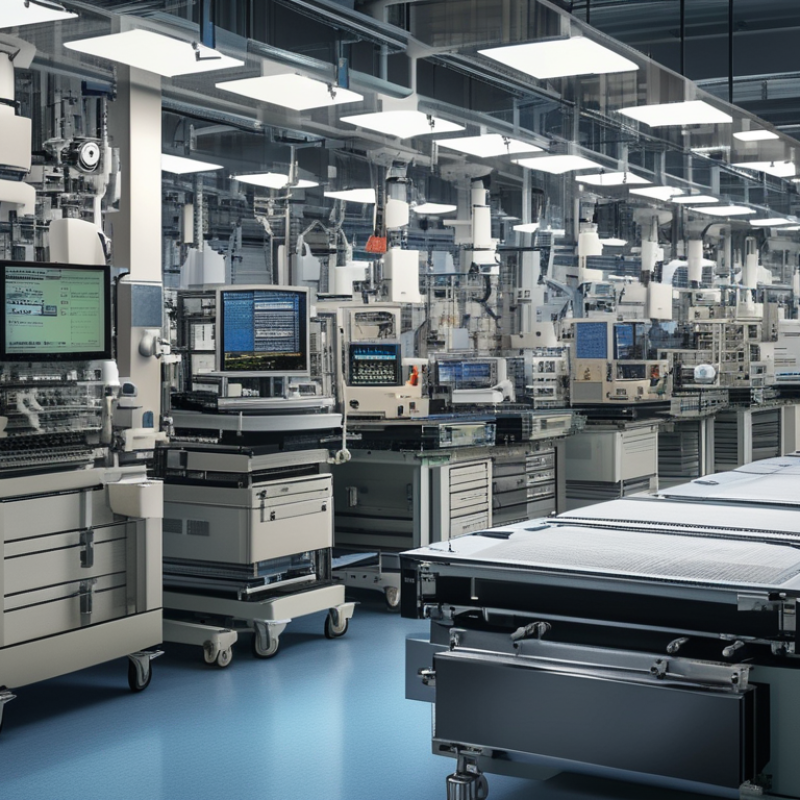
How to Ensure Compliance in Medical Consumables Manufacturing?

Identifying Regulatory Standards for Medical Consumables Manufacturing

In the ever-evolving landscape of medical consumables manufacturing, adherence to regulatory standards is crucial. The FDA and ISO 13485 standards are essential benchmarks. According to a report from the World Health Organization, up to 50% of medical devices do not meet compliance standards, risking patient safety. This underscores the necessity for robust quality management systems and thorough documentation practices.

Often, manufacturers overlook the importance of continuous training. The FDA emphasizes that employee training can significantly minimize errors. Regular training and updates on regulatory changes are essential in maintaining compliance. A survey by the Regulatory Affairs Professionals Society indicated that 70% of companies reported compliance issues due to inadequate staff knowledge. This is a stark reminder of the need for skilled professionals in this sector.

Compliance also demands meticulous attention to every detail in production processes. Issues such as incorrect labeling or insufficient validation of materials can lead to severe consequences. Manufacturers must integrate risk management practices to identify potential compliance risks early. In a market where 40% of recalls are due to non-compliance, the stakes are high. A proactive approach to adhering to regulatory standards not only enhances safety but also protects the integrity of the brand.

Understanding Quality Management Systems in Healthcare Production

Quality management systems (QMS) are vital in healthcare production. They ensure that medical consumables are safe and effective. A robust QMS helps establish standards throughout the manufacturing process. Consistency in production leads to reliability in healthcare outcomes.

Each stage of manufacturing requires careful monitoring. Documenting processes is essential for accountability. Training staff on these protocols helps maintain quality. However, challenges remain. Some manufacturers struggle with compliance due to outdated systems. Regular audits and updates are crucial to address these gaps.

Understanding the role of quality management goes beyond compliance. It fosters a culture of continuous improvement. Engaging all employees in quality practices can enhance outcomes. This collaborative approach might not always work smoothly, but it is essential for growth. Embracing feedback from various stakeholders can create a more effective QMS.

How to Ensure Compliance in Medical Consumables Manufacturing? - Understanding Quality Management Systems in Healthcare Production

Dimension Description Importance Compliance Measure
Quality Control Processes to ensure products meet predefined standards and specifications. Reduces defects and ensures safety of medical consumables. Regular inspections and testing.
Documentation Record keeping of processes, changes, and quality tests. Ensures traceability and accountability in manufacturing. Maintain comprehensive quality records.
Training Staff training on quality standards and operational procedures. Important for maintaining a knowledgeable workforce. Regular training sessions and assessments.
Process Validation Establishing that manufacturing processes can consistently produce products meeting requirements. Ensures product quality and compliance with regulations. Conduct validation studies and reports.
Supplier Management Evaluation and oversight of vendors providing materials and components. Critical for ensuring the quality of incoming materials. Regular supplier audits and assessments.

Implementing Risk Assessment Procedures in Manufacturing Processes

Implementing risk assessment procedures in medical consumables manufacturing is crucial. These procedures help identify potential hazards in the manufacturing process. By focusing on risk factors, manufacturers can prioritize safety and compliance. Regular evaluations are essential to ensure that all processes align with industry standards.

A thorough risk assessment includes examining materials, machinery, and labor practices. Training staff on potential risks is also vital. Employees should understand how to recognize unsafe conditions. Documenting all assessments creates accountability and transparency. This can lead to early detection of issues, saving time and resources.

Engagement with regulatory bodies is important throughout this process. Feedback from these organizations helps refine procedures. However, it's often a challenge to navigate compliance requirements. Continuous improvement and regular audits can mitigate this struggle. By fostering a culture of safety, manufacturers can better safeguard their operations.

Compliance Metrics in Medical Consumables Manufacturing

Conducting Regular Audits and Compliance Checks for Continuous Improvement

Regular audits and compliance checks are vital in medical consumables manufacturing. The industry faces increasing pressure to meet strict regulations and quality standards. According to a recent report by the International Organization for Standardization, about 30% of medical product recalls are due to non-compliance. This statistic emphasizes the need for continuous oversight.

Conducting audits helps identify gaps in processes. Many manufacturers only conduct audits annually, which is insufficient. Monthly or quarterly audits can provide timely insights. During these audits, teams should review documentation, process compliance, and equipment calibration. Not addressing small issues can lead to significant problems. Consistent checks build a culture of quality.

Workforce training adds another layer of assurance. Many employees may lack awareness of compliance requirements. A study from the FDA highlighted that 40% of non-compliance issues stem from inadequate training. Regular training sessions can empower staff and reduce mistakes. Continuous improvement is a journey, not a destination. Embracing a mindset of reflection can lead to better outcomes in medical consumables manufacturing.

Training and Education for Staff on Compliance Protocols and Procedures

In the medical consumables manufacturing sector, compliance is crucial. Training and education on compliance protocols ensure that staff understand the regulations they must follow. Research indicates that nearly 40% of compliance issues stem from inadequate staff training. This highlights the necessity of ongoing education.

A comprehensive training program should focus on the latest regulatory standards. Staff must grasp industry best practices. Regular workshops can help reinforce knowledge. For example, using interactive case studies can enhance understanding of compliance scenarios. This not only improves knowledge retention but also engages employees actively.

**Tips:**
- Schedule monthly compliance refreshers.
- Use real-life examples to illustrate compliance failures.
- Encourage staff to ask questions without fear.

Monitoring the effectiveness of training is vital. Surveys can measure employee confidence in compliance. A gap in comprehension may indicate the need for revised training materials. Regular feedback is essential for continuous improvement. In a world where compliance breaches can lead to severe consequences, investing in staff education is indispensable.

FAQS

: Why is adherence to regulatory standards important in medical consumables manufacturing?

: Adherence ensures safety and compliance, minimizing risks to patients and maintaining product integrity.

What are some common causes of compliance issues in this sector?

Inadequate staff training and knowledge gaps frequently lead to compliance problems.

How can manufacturers improve staff training on compliance?

Regular workshops, interactive case studies, and monthly refreshers can enhance understanding and retention.

What is the impact of non-compliance in medical manufacturing?

Non-compliance can result in recalls, legal actions, and compromised patient safety.

Why is continuous training essential in this industry?

Continuous training helps keep staff updated on regulations, minimizing errors and compliance issues.

How can manufacturers identify potential compliance risks?

Integrating risk management practices helps identify risks early in the production process.

What role does documentation play in compliance?

Thorough documentation supports quality management systems and can prevent compliance failures.

How should manufacturers monitor training effectiveness?

Surveys assessing employee confidence can identify gaps in comprehension and inform necessary adjustments.

What is a significant consequence of non-compliance mentioned in the articles?

Up to 40% of product recalls occur due to non-compliance issues, highlighting the stakes involved.

Why might a manufacturer hesitate to prioritize compliance training?

Some may underestimate its importance or lack resources, resulting in potential safety risks.

Conclusion

Ensuring compliance in medical consumables manufacturing is critical for maintaining product safety and effectiveness. The process begins with identifying the relevant regulatory standards that govern the manufacturing of medical consumables. A strong understanding of quality management systems is essential for healthcare production, as these frameworks guide the implementation of best practices. Moreover, incorporating robust risk assessment procedures into the manufacturing process helps identify potential issues before they arise.

Regular audits and compliance checks are vital for continuous improvement, ensuring that manufacturing processes align with established regulations and standards. Furthermore, training and education for staff on compliance protocols and procedures are necessary to cultivate a culture of quality and accountability within the organization. By focusing on these key areas, manufacturers can effectively learn how to ensure compliance in medical consumables manufacturing and uphold the highest standards of safety and quality in their products.

Isabella

Isabella

Isabella is a dedicated marketing professional with a sharp focus on driving brand growth and engagement through strategic content creation. With an extensive background in digital marketing, she combines her passion for storytelling with her keen understanding of industry trends to deliver......