Airway management is a time-sensitive clinical task where small oversights can quickly become serious. This guide explores how to ensure safety in airway management procedures through preparation, teamwork, monitoring, and continuous reassessment. Safe practice begins before any device is opened. Clinicians should review the patient’s history, airway anatomy, oxygen reserve, aspiration risk, and likely response to sedation. Previous airway difficulty deserves careful attention. So does obesity, pregnancy, facial trauma, or limited neck movement. Use current, evidence-based guidance and follow local clinical protocols. Reliable equipment must be checked, positioned, and immediately available. Continuous waveform capnography helps confirm ventilation after airway placement. Pulse oximetry remains essential, but oxygen saturation may fall late. Do not rely on one signal.
Preparation matters.
Experienced teams assign clear roles before induction. One person leads the airway plan. Another watches monitoring and medications. A third prepares backup equipment and calls for help when needed. Preoxygenation should be deliberate, with patient positioning adjusted to improve ventilation. Difficult-airway tools should match staff competence and local resources. Simulation training can reveal delays that are invisible during routine practice. Communication should be calm, closed-loop, and audible to everyone nearby.
No checklist prevents every error. Human judgment can still fail under pressure. That limitation deserves honest review. After each procedure, teams should document what worked, what changed, and what nearly went wrong. This reflection strengthens future decisions. The safest approach combines professional training, validated equipment, current recommendations, and early escalation when the first plan is failing. In 2026, airway safety should remain practical, measurable, and patient-specific.
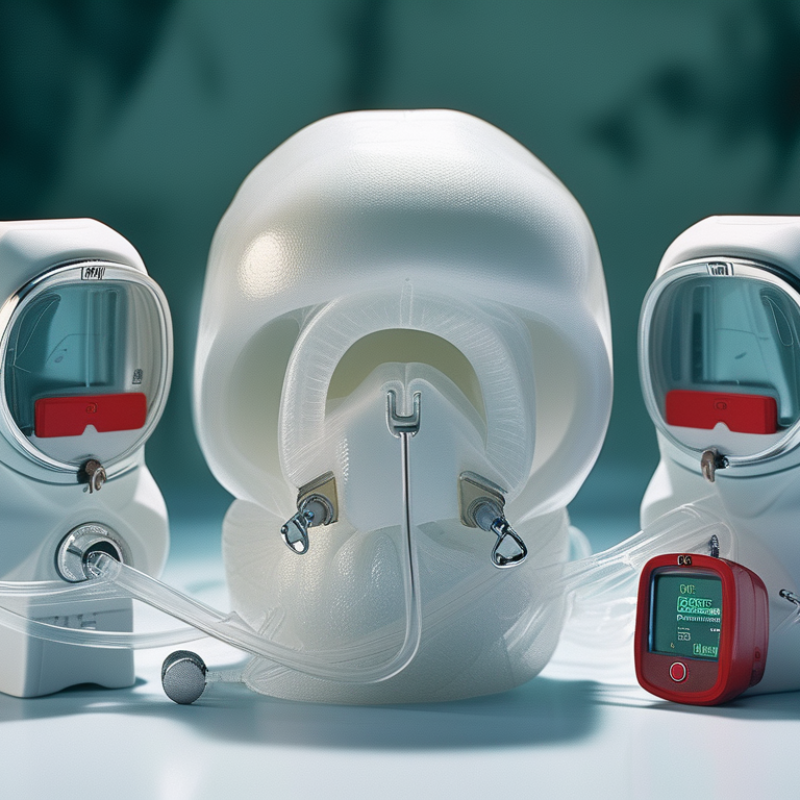
Airway Management: Purpose, Scope, and Safety Principles
2026 How to Ensure Safety in Airway Management Procedures?
Airway Management: Purpose, Scope, and Safety Principles
Airway management protects ventilation, oxygen delivery, and the patient’s ability to breathe. Its scope includes assessment, positioning, suction, oxygen support, airway devices, and escalation to advanced care. Each action should match the patient’s condition, available equipment, and clinician training.
Safety begins before the airway becomes critical. Check breathing effort, consciousness, skin color, and oxygen readings. Listen for stridor, gurgling, or silence. Keep suction, oxygen, monitoring equipment, and backup devices immediately accessible. A clear plan should identify who leads, who monitors, and when help is called.
Communication matters greatly.
During a procedure, use closed-loop communication and record changes in the patient’s response. Confirm device placement through clinical assessment and appropriate monitoring. Reassess after every intervention, especially after repositioning or removing support. Infection prevention, hand hygiene, and properly sized equipment reduce avoidable harm.
No checklist is perfect. That weakness deserves attention. Teams should review near misses without blame and update their procedures when evidence changes. Training must include difficult conditions, not only calm simulations. A patient may deteriorate quietly, while a crowded room creates false confidence. Qualified clinicians should follow current local protocols, seek specialist support early, and never perform beyond their competence.
Patient Assessment and Preparation Before Airway Intervention
2026 How to Ensure Safety in Airway Management Procedures?
Before airway intervention, patient assessment should turn uncertainty into a specific, shared plan. Ask about previous difficult intubation, neck surgery, sleep apnea, loose teeth, reflux, allergies, and breathing effort. Inspect mouth opening, jaw movement, neck extension, facial structure, and oxygen saturation. Do not trust one bedside score. The 2022 American Society of Anesthesiologists Practice Guidelines recommend combining multiple predictors and preparing alternative strategies when difficulty is anticipated.
Preparation begins at the bedside, not when the laryngoscope is lifted. Confirm suction, oxygen delivery, monitoring, intravenous access, rescue devices, and skilled assistance. Position the patient appropriately, while protecting the cervical spine when indicated. Preoxygenate deliberately, watching clinical response rather than assuming adequate reserve. The UK Fourth National Audit Project, NAP4, estimated one major airway complication for approximately every 22,000 anesthetics. About one-third of reported cases involved death or permanent brain damage.
Before induction, identify who leads, who calls for help, and when repeated attempts must stop. Write Plan A, Plan B, and an emergency oxygenation pathway where the team can see them. Document baseline voice, dentition, neurological status, and the consent discussion. Small omissions matter. A recurring weakness is assuming equipment checks equal readiness; they do not. Teams should rehearse failed oxygenation, because stress can narrow attention and delay escalation. Assessment is not static; a tired patient, falling oxygen level, or changing anatomy can invalidate yesterday’s plan.
Selecting Equipment and Establishing Procedural Readiness
2026 How to Ensure Safety in Airway Management Procedures?
Safe airway management begins before the patient enters the procedure area. Equipment selection should match the patient’s age, anatomy, condition, and anticipated difficulty. Keep oxygen, suction, a self-inflating bag, masks, oral and nasal airways, and advanced airway devices immediately available. Prepare several sizes. One size rarely fits everyone.
Check every item before use. Confirm oxygen supply, suction pressure, light function, battery charge, and equipment integrity. Capnography should be ready when advanced airway placement is considered. A clearly labeled difficult-airway cart can reduce delays. It should include backup devices and tools for emergency rescue, according to local policy and professional guidance.
Procedural readiness also depends on people. Assign one clinician to airway management, another to monitoring, and another to medication or equipment support. State the primary plan and the rescue plan aloud. Confirm patient positioning, monitoring, intravenous access, and help availability. Rehearsal matters.
But checklists are not perfect. A team may confirm the airway device and still overlook an empty oxygen cylinder. A charged device may fail under pressure. Pause for a final hands-on check, not just a verbal confirmation. After each procedure, record what worked, what was missing, and what felt uncertain. Small observations can improve the next response.
Step-by-Step Airway Management and Continuous Monitoring
2026 How to Ensure Safety in Airway Management Procedures?
Step-by-Step Airway Management and Continuous Monitoring
Airway safety starts before any intervention. A trained team should assess responsiveness, breathing effort, airway obstruction, and aspiration risk. Call for help early. Prepare suction, oxygen, a bag-mask device, airway adjuncts, and backup equipment. Check each item before use. Position the patient carefully, unless spinal injury is suspected. Follow local clinical protocols and scope-of-practice requirements.
Open the airway, remove visible obstructions, and suction secretions when necessary. Provide oxygen and assess chest movement, skin color, and respiratory effort. Only qualified clinicians should perform advanced airway procedures. During ventilation or intubation, continuously monitor oxygen saturation, heart rate, blood pressure, respiratory rate, and exhaled carbon dioxide. Waveform capnography can help confirm and track airway placement. Keep alarm limits active and respond to changes immediately.
After securing the airway, record tube depth and reassess chest rise, breath sounds, ventilation, and capnography. Recheck after every transfer or position change. A loose connection, blocked tube, or displaced airway can develop quickly. Look at the patient, not only the monitor. A checklist supports reliable care, but it cannot replace clinical judgment. It may miss context. Quiet deterioration is easy to overlook, especially during busy handovers. Clear communication, repeated assessment, and honest reflection help expose those gaps.
Complication Prevention, Emergency Response, and Post-Procedure Care
Safe airway management begins before the patient enters the procedure room. Review allergies, fasting status, medications, anatomy, and previous airway difficulties. Prepare suction, oxygen, monitoring, rescue devices, and backup expertise. Check every connection. A trained clinician should assign roles and confirm the escalation plan aloud. This pause can expose missing equipment or unclear responsibilities.
During the procedure, continuous oxygen saturation and exhaled carbon dioxide monitoring support early recognition of deterioration. Watch chest movement, skin color, airway pressure, and mental status. If ventilation worsens, stop the triggering step and call for help immediately. Open the airway, provide oxygen, and use appropriate rescue techniques within your training and local protocol. Reassess after every intervention.
Do not rely on a single monitor. Experienced teams can still overlook a displaced mask or rising obstruction. That mistake deserves honest review, not blame.
Afterward, observe breathing, consciousness, pain, and oxygen needs until recovery criteria are met. Document difficult anatomy, interventions, complications, and the patient’s response. Give clear instructions about warning signs, responsible supervision, and when to seek urgent care. A delayed complication may appear after discharge.
Handover should be direct and specific. Include oxygen requirements, medications, airway events, and follow-up plans. Use a structured debrief while details remain fresh. Even a smooth procedure may reveal a weak process.
FAQS
: It protects breathing, ventilation, and oxygen delivery. Care may include positioning, suction, oxygen, and airway devices. Every action should match the patient’s condition and clinician training.
Check breathing effort, consciousness, skin color, and oxygen readings. Listen for stridor, gurgling, or unusual silence. Quiet deterioration can be easy to miss.
Prepare oxygen, suction, a self-inflating bag, masks, and oral and nasal airways. Keep several sizes available because one size rarely fits everyone. Advanced devices may also be needed.
Check oxygen supply, suction pressure, lights, batteries, and equipment condition. Confirm that monitoring equipment works. An empty oxygen cylinder can defeat a perfect verbal checklist.
One clinician should manage the airway. Another should monitor the patient. A third can support equipment or medication needs. State the main plan and rescue plan aloud.
Reassess breathing, oxygen readings, consciousness, and clinical response. Recheck after repositioning or removing support. Improvement may be temporary.
Use closed-loop communication during critical actions. Confirm instructions aloud and report patient changes promptly. Record important responses and device placement findings.
Perform hand hygiene and use properly sized equipment. Keep suction and oxygen immediately accessible. Confirm device placement through clinical assessment and suitable monitoring.
Review missing equipment, delays, and uncertain decisions without blame. Update procedures when evidence changes. A checklist helps, but it is not flawless.
Seek specialist support early when difficulty is expected or the patient worsens. Follow current local protocols. Never perform beyond your training or competence.
Conclusion
This guide explains how to ensure safety in airway management procedures by applying a structured, patient-centered approach from preparation through recovery. It covers the purpose and scope of airway intervention, emphasizing careful assessment of anatomy, breathing status, medical history, aspiration risk, and potential difficulty. Before starting, clinicians should confirm informed cooperation when possible, prepare appropriate equipment, assign team responsibilities, verify monitoring devices, and establish a clear backup plan.
During the procedure, airway management should proceed step by step with continuous observation of oxygenation, ventilation, circulation, and patient response. Gentle, controlled techniques and timely reassessment can reduce trauma and prevent avoidable complications. The guide also addresses recognizing and responding to obstruction, inadequate ventilation, desaturation, aspiration, and other emergencies. After the airway is secured or the intervention is completed, continued monitoring, documentation, reassessment, and clear communication support safe recovery and help identify delayed complications promptly.

 Ryu Medical