The urinary drainage system is crucial for maintaining bodily health. Dr. Jane Smith, a leading urologist, states, “Understanding how does urinary drainage system function is key to preventing complications.” This highlights the importance of this subject.
The urinary drainage system includes various components. These include catheters, tubes, and collection bags. Each plays a role in managing urine flow. Effective functioning prevents infections and promotes comfort. However, issues can arise, such as blockages or leaks. These can lead to complications, requiring careful management.
Many overlook the complexity of this system. It's not merely about drainage; it's about health. People often don’t understand the consequences of a malfunctioning system. Regular assessments are essential for those relying on urinary drainage. These challenges remind us of the need for continuous learning. How the system functions directly impacts the quality of life.
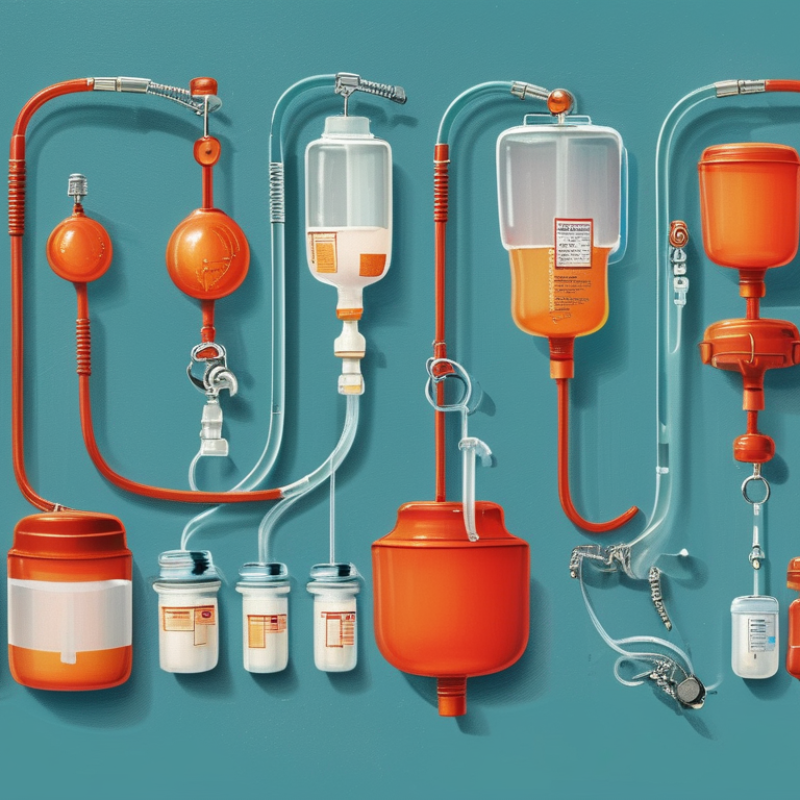
Urinary drainage systems play a crucial role in managing urinary function, especially in patients with certain medical conditions. Understanding the basics of these systems helps ensure their effectiveness. Typically, a urinary drainage system consists of catheters, collection bags, and various sealing mechanisms. According to industry reports, effective catheter utilization can reduce infection rates by up to 50%. This critical data highlights the importance of selecting the appropriate materials and designs to promote optimal function and minimize complications.
Tip: Always maintain sterile techniques when handling catheters. Infection control is paramount in urinary drainage systems. Regularly assess the system for leaks or blockages. This proactive approach can significantly enhance patient comfort and system longevity.
Patients may experience complications, such as bladder spasms or urinary tract infections (UTIs). Statistics indicate that about 15-25% of catheterized patients will develop a UTI. Understanding the signs of these issues can lead to prompt intervention. Additionally, incorporating patient education on managing their systems is vital. Guidance on monitoring and recognizing potential issues can create better outcomes.
Tip: Encourage hydration to help reduce the risk of UTIs. Clear communication about symptoms can empower patients to seek help sooner.
| Component | Function | Material | Common Size |
|---|---|---|---|
| Catheter | Drains urine from the bladder | Latex or silicone | French size 14-16 |
| Drainage Bag | Collects drained urine | Plastic | 1000-2000 mL |
| Tubing | Connects catheter to drainage bag | PVC | Various lengths |
| Valves | Prevents backflow of urine | Silicone or plastic | Standard size |
| Bag Holder | Supports the drainage bag | Metal or plastic | Standard size |
: A urinary drainage system includes catheters, collection bags, and sealing mechanisms. These parts work together to manage urine flow.
Always maintain sterile techniques and encourage hydration. Regular communication about symptoms helps to seek help early.
Patients may experience bladder spasms and UTIs. Understanding the signs can lead to prompt medical intervention.
Proper catheter positioning ensures efficient drainage. Incorrect positioning may lead to urine retention and discomfort.
Regularly assess for leaks, blockages, and signs of wear. Small routine checks can prevent larger issues.
Contact a healthcare professional immediately if you observe anything unusual. This can indicate potential issues.
Fluid movement relies on gravity and pressure gradients. Proper catheter management is crucial for effective urine flow.
Clogging occurs when debris accumulates in the tubing. Regular maintenance prevents this issue and promotes better function.
Yes, biofilm can obstruct flow. Maintaining hygiene protocols is vital to prevent such complications.
Catheter diameter influences how quickly urine drains. Regular assessments help optimize system performance and patient comfort.
A urinary drainage system is designed to efficiently manage and remove urine from the body, ensuring optimal health and hygiene. Understanding how does urinary drainage system function involves exploring its basic components, such as catheters, collection bags, and drainage channels. Each element serves a specific purpose, facilitating the smooth movement of urine while preventing backflow and infections.
The mechanisms of fluid movement are critical, relying on gravity and the principles of pressure. Regular maintenance and care are essential for the system's functionality, ensuring that blockages or leaks are swiftly addressed. It's also important to recognize common issues that may arise, such as catheter obstructions or infection risks, alongside effective solutions to maintain the system's efficiency. By grasping these fundamentals, users can better appreciate the complexities and care required for a urinary drainage system.

 Ryu Medical