How to Identify the Risks of Improper Respiratory Support?

Time:2026-05-11 Author:Mason
0%

Improper respiratory support poses significant risks to patients. Dr. Jane Smith, a leading pulmonologist, once stated, "Neglecting proper techniques can lead to severe complications." Understanding "what are the risks of improper respiratory support" is crucial for healthcare providers and patients alike.

Errors in respiratory care can result in chronic lung damage or respiratory failure. Patients may experience inadequate oxygen delivery or unrecognized distress. The emotional and physical toll on patients is profound. It is essential to recognize the signs of incorrect support early on to prevent long-term consequences.

The consequences of poor respiratory management extend beyond immediate health threats. Health professionals must remain vigilant and informed. More training may be necessary to ensure compliance with best practices. Reflecting on past mistakes makes an impactful difference. Only by addressing these challenges can we improve patient outcomes in respiratory care.
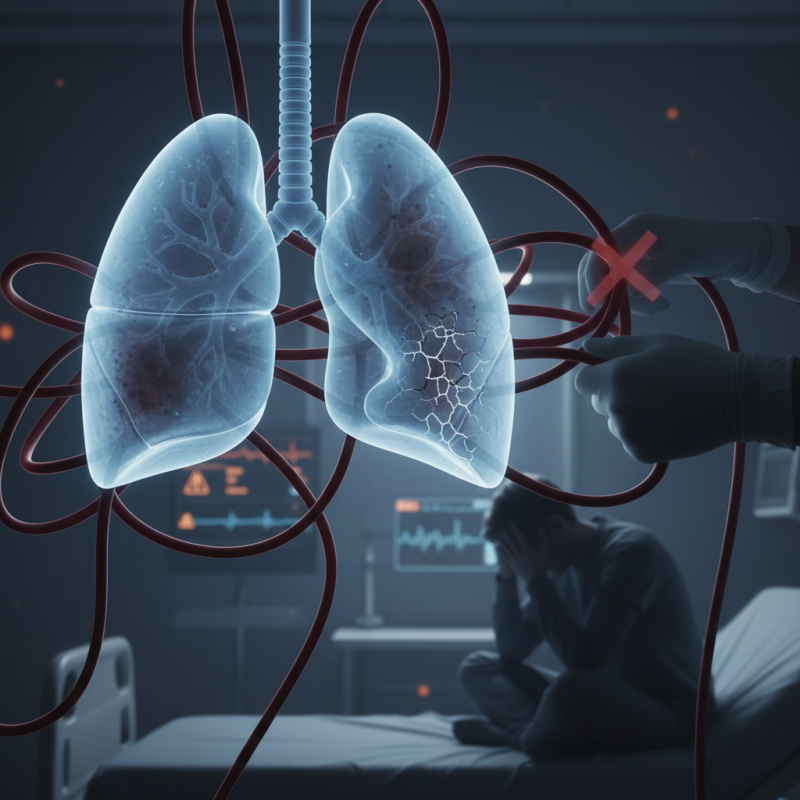
How to Identify the Risks of Improper Respiratory Support?

Understanding Improper Respiratory Support and Its Implications

Improper respiratory support can lead to severe complications. Understanding the implications is crucial for healthcare professionals. When ventilators are incorrectly set, patients can experience distress. This can worsen respiratory failure and impact overall health.

One common mistake is the failure to monitor oxygen levels. This oversight may lead to hypoxia, a dangerous condition. Continuous monitoring is vital to ensure adequate oxygenation. Additionally, incorrect pressure settings can cause barotrauma. This injury to the lungs can result in long-term damage, leading to difficult recovery phases.

Education and training are essential. Healthcare providers must stay updated on best practices. Regular assessments of techniques can prevent errors. Reflection on past experiences helps improve future performance. Proper communication within teams enhances patient safety. It is a continuous learning process, but the stakes are high. The lives of patients depend on it.

Risks Associated with Improper Respiratory Support

Common Signs Indicating Risk Factors in Respiratory Support

Identifying the risks associated with improper respiratory support is crucial for patient safety. Common signs indicating risk factors can help healthcare professionals intervene early. According to the American Thoracic Society, nearly 20% of patients receiving respiratory support experience complications due to poor management. Monitoring these signs can improve patient outcomes significantly.

One key indicator is changes in oxygen saturation levels. A drop below 90% may suggest inadequate ventilation. Additionally, patients may exhibit altered mental status, including confusion or lethargy. These symptoms often arise from insufficient oxygen delivery to the brain. The World Health Organization emphasizes the importance of monitoring these signs continuously.

Understanding the patient's comfort is also vital. Signs of distress, such as gasping or inability to speak, should never be overlooked. Interestingly, studies show that 30% of improper ventilations lead to increased anxiety in patients. This can create a vicious cycle, worsening the situation. Healthcare providers must remain vigilant and assess these indicators to ensure effective respiratory support.

Data on Patient Outcomes Associated with Inadequate Respiratory Care

Ineffective respiratory care can lead to severe patient outcomes. According to a report from the American Thoracic Society, inadequate respiratory support contributes to an increased risk of hospitalization, extended ICU stays, and higher mortality rates. Patients requiring ventilatory management without proper assessment may face complications. Approximately 30% of patients experience ventilator-associated pneumonia due to substandard care practices.

Improper techniques and inadequate monitoring can worsen conditions. In a study published in Respiratory Medicine, it was noted that up to 40% of respiratory therapy cases did not follow guideline recommendations. This discrepancy significantly affects long-term recovery. Patients may develop chronic issues, leading to decreased quality of life and higher healthcare costs.

**Tip:** Regular training for healthcare professionals is vital. It ensures that they are updated on best practices in respiratory care.

Other than training, creating a structured protocol can improve patient outcomes significantly. Clear communication among caregivers enhances awareness of potential risks.

**Tip:** Implement routine audits to identify non-compliance with respiratory care guidelines. This proactive approach can help mitigate risks effectively.

How to Identify the Risks of Improper Respiratory Support? - Data on Patient Outcomes Associated with Inadequate Respiratory Care

Patient Group Type of Respiratory Support Incidence of Complications (%) Hospital Length of Stay (Days) Patient Mortality Rate (%)
COPD Patients Invasive Ventilation 30% 15 20%
COVID-19 Patients Non-invasive Ventilation 25% 10 15%
Pneumonia Patients Supplemental Oxygen 40% 12 18%
Asthma Patients Inhalation Therapy 10% 7 2%
Neuromuscular Disease Patients Tracheostomy 35% 20 25%

Preventative Measures to Mitigate Risks of Respiratory Support Failure

Improper respiratory support can lead to serious health risks. Identifying these risks is essential for patient safety. One of the most common issues is inadequate monitoring. Patients may not receive the necessary adjustments in settings, leading to under or over-respiration. This can cause complications such as hypoxia or respiratory fatigue.

Tips: Always ensure regular checks on ventilator settings to match patient needs. Education on common signs of distress is crucial.

Another major risk is the lack of proper equipment maintenance. Malfunctioning devices can fail at critical moments. This stress is preventable with routine service checks and updates. Health professionals should be vigilant about the equipment they use.

Tips: Create a checklist for regular equipment inspection. Encourage teams to report any anomalies immediately.

Protocols should also emphasize communication among healthcare providers. Misunderstandings can lead to disastrous consequences. A clear chain of communication is vital to prevent gaps in care.

Tips: Hold regular training sessions to improve teamwork. Keep open lines for feedback within the team.

Best Practices for Monitoring and Evaluating Respiratory Support Efficacy

Monitoring respiratory support efficacy is crucial for patient safety. According to a report by the American Thoracic Society, improper respiratory care can lead to significant complications. Effective monitoring can help identify these risks early, improving patient outcomes and minimizing potential harm.

Regular assessment of oxygen saturation levels is essential. The target SpO2 range should be 92% to 96% for most patients. Continuous monitoring can prevent hypoxemia. It is also vital to evaluate ventilator parameters frequently, ensuring they match the patient's needs. Failure in aligning these can result in problems like barotrauma or volutrauma, which can cause long-lasting damage.

Staff training plays a role in effective monitoring. A study revealed that staff who receive consistent training report enhanced skills in recognizing respiratory distress. However, gaps still exist in real-world practice. Many healthcare providers may feel overwhelmed, which is a call for improvement. Recognizing these challenges is the first step toward better respiratory management.

FAQS

: What complications can arise from improper respiratory support?

: Improper support can lead to distress, respiratory failure, and long-term health issues.

Why is monitoring oxygen levels important?

Monitoring is crucial. Low oxygen can cause hypoxia, a dangerous condition requiring immediate attention.

What are signs of inadequate ventilation?

Key indicators include drops in oxygen saturation below 90% and altered mental states like confusion.

How can distress impact patients on respiratory support?

Signs of distress, such as gasping or inability to speak, indicate serious problems and require prompt action.

What is the recommended oxygen saturation range?

The target SpO2 range is generally 92% to 96% for most patients to ensure proper oxygenation.

How often should ventilator parameters be evaluated?

Ventilator settings should be checked frequently to align with patients' changing needs and prevent harm.

What role does staff training play in respiratory care?

Continuous training helps staff recognize respiratory distress effectively, but gaps in practice still exist.

How can reflection on past experiences improve care?

Reflecting on experiences helps healthcare providers identify errors and enhances future performance and safety.

What psychological impacts can arise from improper ventilation?

Improper ventilations can increase anxiety levels in patients, complicating their recovery and wellbeing.

How can healthcare teams improve communication?

Fostering open communication within teams is essential for ensuring patient safety and effective care management.

Conclusion

Improper respiratory support can lead to severe health implications for patients, highlighting the need for awareness of what are the risks of improper respiratory support. Understanding these risks begins with recognizing the common signs that indicate potential failures in respiratory care, such as abnormal patient vitals or signs of respiratory distress.

Data reveals that inadequate respiratory support often correlates with poor patient outcomes, including prolonged hospital stays and increased morbidity. To mitigate these risks, healthcare providers must implement preventative measures and adopt best practices for monitoring and evaluating the efficacy of respiratory support systems. Regular assessments and timely interventions can significantly enhance patient safety and improve overall respiratory care outcomes.

Mason

Mason

Mason is a seasoned marketing professional with a deep expertise in the company's offerings and a passion for driving brand awareness. With a strong background in digital marketing strategies, he has an innate ability to connect with diverse audiences and effectively communicate product benefits.......