Why is Quality Control Essential in Medical Device Production?

Time:2026-06-24 Author:Amelia
0%

In the complex realm of medical device production, quality control emerges as a cornerstone. It ensures that devices are safe and effective for patient use. Every step of manufacturing demands strict adherence to quality standards. Why is quality control critical in medical device production? The answer lies in the potential consequences of oversight. Subpar devices can lead to serious health issues.

Regulatory bodies enforce rigorous standards to protect consumers. A failure in quality can undermine public trust in the industry. Many companies strive for excellence but sometimes fall short. Errors in design or manufacturing can compromise device functionality. This highlights the necessity for robust quality assurance processes.

Investing in quality control is not merely a compliance issue. It is essential for patient safety and product reliability. Each production phase requires meticulous attention. Through continuous evaluation, companies can identify and rectify flaws. This proactive approach builds credibility and reassures stakeholders. Quality control is not just a requirement; it is a commitment to excellence in healthcare.
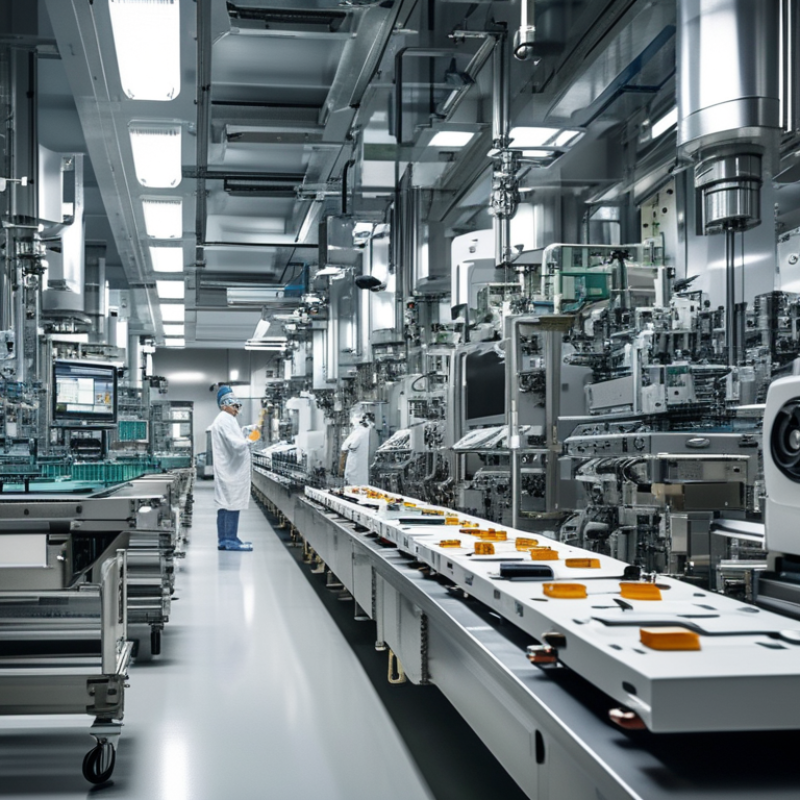
Why is Quality Control Essential in Medical Device Production?

Importance of Quality Control in Medical Device Production

Quality control (QC) is vital in medical device production. It ensures that products meet regulatory standards and are safe for patient use. Effective QC processes involve rigorous testing and validation at every stage of production. Each device must perform reliably, whether it's a simple bandage or complex machinery.

The importance of QC cannot be overstated. Poor quality can lead to serious consequences, including patient harm. Remember the cases where devices failed? Such incidents highlight the need for accountability. Questions arise: Were the materials properly sourced? Was the manufacturing environment controlled? These challenges remind us that vigilance is essential.

Implementing a robust QC system fosters trust between manufacturers and healthcare providers. Training employees on best practices is crucial. They need to understand not just procedures but the impact of their roles. However, organizations must also reflect on their processes. Are they too rigid? Do they stifle innovation? Balancing quality with creativity is a constant challenge in this field.

Key Components of Quality Control Processes in Device Manufacturing

Quality control processes in medical device manufacturing are critical. These processes ensure that devices meet stringent safety and efficacy standards. One key component is risk management. Identifying potential hazards during development helps mitigate issues early. Teams must analyze every stage of production, from design to final testing. This proactive approach can save time and resources later.

Another essential aspect is compliance with regulatory standards. Medical devices must adhere to guidelines set by governing bodies. Documentation is crucial here. Engineers need to keep accurate records of tests, inspections, and approvals. These documents serve as a trail of accountability. It builds trust with stakeholders, including healthcare providers and patients.

Testing is a cornerstone of quality control. Devices undergo various assessments, including usability and performance tests. However, not all tests go as planned. Sometimes, failures reveal gaps in design or manufacturing. Reflecting on these failures is vital. Each issue provides insights that drive future improvements. Learning from mistakes enhances overall quality and safety in medical devices.

Why is Quality Control Essential in Medical Device Production? - Key Components of Quality Control Processes in Device Manufacturing

Quality Control Component Description Importance
Design Control Systematic approach to managing design processes and ensuring device safety and effectiveness. Reduces risk of design flaws, vital for patient safety.
Incoming Inspection Evaluating raw materials and components upon receipt. Ensures only quality materials are used, reducing waste and errors.
In-Process Inspection Monitoring the manufacturing process to detect defects. Early identification of issues prevents defective devices.
Final Product Testing Comprehensive evaluation of the finished device. Confirms compliance with industry standards and readiness for market.
Document Control Managing all records related to quality processes. Ensures traceability and accountability, aiding in audits and compliance.

Regulatory Standards and Compliance in Medical Device Quality Assurance

Quality assurance in medical device production revolves around complying with regulatory standards. These standards help ensure safety and effectiveness. For manufacturers, understanding these regulations is crucial. Compliance safeguards patient health and mitigates risks associated with medical products.

Adhering to guidelines from governing bodies can be complex. Manufacturers must stay updated on changing regulations. Regular training and audits can help. Yet, many companies struggle to maintain consistent quality control. They often overlook the importance of a robust quality management system. This can lead to failures or recalls, eroding trust in their devices.

Documentation plays a key role in compliance. Detailed records of production processes and quality checks are essential. These records must be precise and thorough. However, many manufacturers find maintaining accurate documentation challenging. It can be a daunting task, often resulting in errors. This emphasizes the need for continuous improvement and attention to detail in quality assurance practices.

Impact of Quality Control on Patient Safety and Device Reliability

Quality control in medical device production is vital for ensuring patient safety and enhancing device reliability. A single flaw in a device can lead to severe consequences. For example, a malfunction can cause serious health risks, necessitating stringent quality checks at every stage of production. The effectiveness of quality control directly correlates with the degree of assurance a patient has about their device.

Routine inspections and rigorous testing protocols are crucial in safeguarding patient health. Every device should undergo multiple evaluations, including performance checks and stress tests. This attention to detail fosters a culture of accountability. It is essential for manufacturers to remain vigilant, as even minor deviations can have significant impacts.

Tips: Implement a feedback loop from patients and healthcare providers. This ensures product improvements based on real-world usage. Regular team training on quality standards enhances awareness and upholds high production benchmarks. Monitoring emerging technologies can also provide insights into potential quality advancements, ensuring devices remain reliable and relevant.

Challenges and Innovations in Quality Control for Medical Device Industry

Quality control in the medical device industry faces unique challenges. Manufacturers deal with strict regulations. Approving designs can be lengthy and complicated. Every device must meet safety and efficacy standards. These requirements are often difficult to navigate, which can cause delays. Early-stage testing often reveals flaws that need addressing. This iterative learning can be time-consuming but is essential for patient safety.

Innovations are transforming quality control processes. Advanced data analytics now play a critical role. These tools can identify defects early in production. Predictive maintenance helps prevent equipment failures. Automation reduces human error, but it also requires constant oversight. Adapting to new technologies presents its own challenges. Staff must be trained effectively. Balancing innovation with established procedures is not easy. Many organizations still struggle with maintaining their quality standards amidst rapid changes. The learning curve can lead to setbacks. Continuous improvement is key, yet it requires ongoing commitment from all levels of the organization.

FAQS

: Why is quality control important in medical device production?

: Quality control ensures devices meet safety standards. It prevents patient harm and promotes trust.

What challenges do manufacturers face in quality control?

Strict regulations and complex approval processes can cause delays. Each device must meet rigorous safety standards.

How can regulatory compliance be maintained?

Regular training and audits are essential. Staying updated on regulations helps mitigate risks for manufacturers.

What role does documentation play in quality assurance?

Accurate records of processes and checks are vital. However, many find maintaining precise documentation challenging.

How can innovations improve quality control?

Advanced data analytics can identify defects early. Automation reduces errors but requires oversight and training.

What are the consequences of poor quality in medical devices?

Poor quality can lead to device failures and recalls. Trust in products can be severely eroded.

How can organizations balance quality with innovation?

Finding this balance is challenging. Many struggle to adapt without compromising established quality standards.

Why is employee training crucial for quality control?

Employees must understand procedures and their impact. Awareness can enhance the effectiveness of quality practices.

What are common pitfalls in quality management systems?

Many overlook the need for robust systems. Consistency in quality control can often be neglected.

How do changes in technology affect quality control?

New technologies can improve processes, but adapting is challenging. The learning curve can lead to setbacks.

Conclusion

Quality control is critical in medical device production due to its significant role in ensuring the safety and effectiveness of medical devices. The importance of quality control lies in its ability to identify and mitigate risks throughout the manufacturing process, which directly impacts patient safety and device reliability. Key components of quality control processes encompass rigorous testing, validation, and adherence to established regulatory standards and compliance measures that guide the medical device industry.

Moreover, the ability to maintain high-quality standards is essential not only for regulatory compliance but also for fostering trust among healthcare providers and patients. However, the medical device industry faces challenges such as evolving technologies and the need for continuous innovation in quality control practices. By addressing these challenges, manufacturers can enhance their quality control processes, ultimately leading to safer and more reliable medical devices for end-users.

Amelia

Amelia

Amelia is a seasoned marketing professional with a wealth of expertise in our company’s core offerings. With an unwavering passion for driving growth and innovation, she plays a pivotal role in shaping our marketing strategies and enhancing brand visibility. A key aspect of her responsibilities......