The urinary drainage system plays a critical role in human health. Understanding how does urinary drainage system function is essential for many. This system ensures that waste and excess fluids are efficiently removed from the body. It involves several organs, including the kidneys, ureters, bladder, and urethra.
When we think about this system, we often overlook its complexity. Each part has its own function, working together in harmony. The kidneys filter blood, producing urine. The ureters transport this urine to the bladder. Once the bladder fills, signals prompt us to urinate. This process is seemingly simple but can be affected by various factors.
Despite its efficiency, the urinary drainage system can face challenges. Factors like dehydration or infection can disrupt its function. It's important to reflect on our habits. Are we drinking enough water? Are we maintaining proper hygiene? These questions can lead us to a better understanding of how to support this vital system.
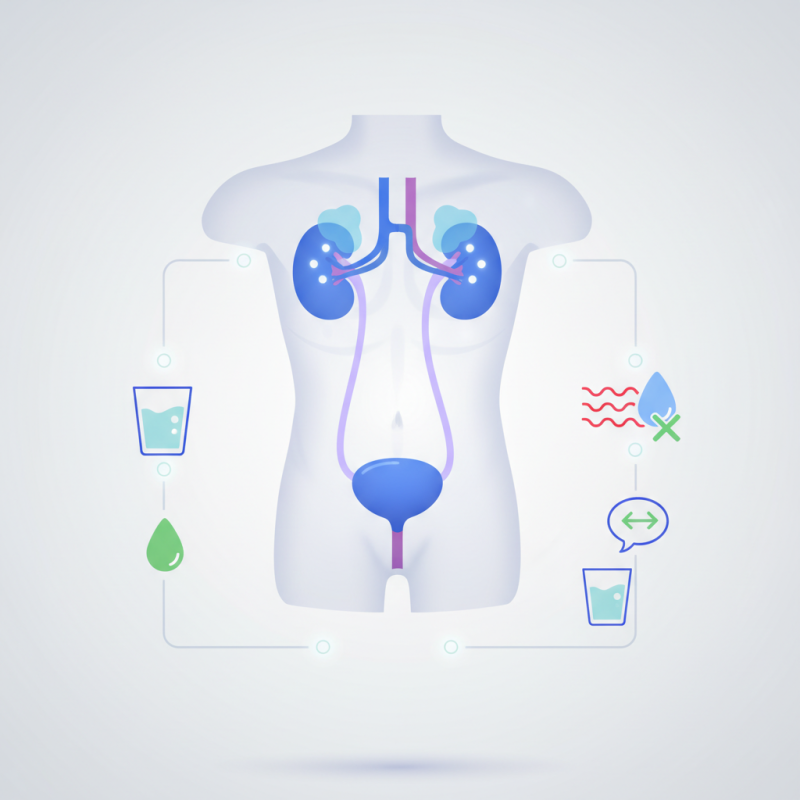
Understanding the Components of the Urinary Drainage System
The urinary drainage system is vital for removing waste from your body. It consists of several key components, including the kidneys, ureters, bladder, and urethra. Each part plays a specific role in filtering blood and excreting urine. The kidneys filter waste, while ureters transport urine to the bladder. The bladder stores urine until it's ready to be expelled through the urethra.
Understanding this system helps in recognizing warning signs. For example, any pain during urination could indicate infection. Frequent urges with little output might suggest an obstruction. Being aware of these signals can prompt timely medical care. Staying hydrated supports kidney function and aids in flushing out toxins.
Tips for maintaining a healthy urinary drainage system include drinking plenty of water daily. Regular urination helps prevent infections. Pay attention to dietary habits, as high salt intake could lead to kidney stones. It’s also essential to practice good hygiene to reduce the risk of urinary tract infections. Neglecting these habits can lead to complications down the line. Reflecting on personal habits can significantly enhance your urinary health.
Top 10 Insights on How Does Urinary Drainage System Function? - Understanding the Components of the Urinary Drainage System
| Component |
Function |
Key Insights |
| Kidneys |
Filter blood to produce urine |
Essential for waste removal and fluid balance |
| Ureters |
Transport urine from kidneys to bladder |
Peristaltic movements facilitate urine flow |
| Bladder |
Stores urine until excretion |
Can hold up to 500 mL of urine |
| Urethra |
Conducts urine outside the body |
Shorter in females than males |
| Sphincters |
Control the release of urine |
Voluntary control for proper timing |
| Nephrons |
Basic functional unit of the kidney |
Over 1 million nephrons per kidney |
| Renal Pelvis |
Collects urine from the kidneys |
Transition point to the ureters |
| Interstitial Fluid |
Surrounds cells in kidneys |
Facilitates substance exchange |
| Renal Artery |
Supplies blood to the kidneys |
Branches from the abdominal aorta |
| Hormones (e.g., ADH) |
Regulate water retention |
Influence urine concentration |
The Role of Kidneys in Urine Production
The kidneys play a vital role in the urinary drainage system. They filter blood, removing waste and excess substances. This process leads to urine production, which helps regulate fluid balance and electrolytes. Every day, kidneys process about 50 gallons of blood. They effectively filter out toxins, creating roughly 1 to 2 quarts of urine.
Each kidney contains around a million nephrons. These tiny structures are where the filtration occurs. Blood enters through the glomerulus, where waste products are separated. This complex process might seem flawless, yet it can be affected by various factors. For instance, dehydration can concentrate urine, leading to potential kidney damage. Fluctuations in blood pressure can also impact filtration efficiency.
Understanding kidney function aids in identifying potential health issues. Conditions such as diabetes or hypertension directly influence kidney health. Even slight changes in lifestyle can create significant impacts. Eating a balanced diet and staying hydrated promote better kidney function. Overall, the relationship between kidneys and urine production is vital, but overlooking care can lead to serious repercussions.
Pathways of Urine Flow: From Kidneys to Bladder
The urinary drainage system plays a critical role in removing waste from the body. The journey begins in the kidneys, where blood filtration occurs. Approximately 180 liters of fluid are filtered daily, and around 1.5 liters become urine. This process is vital for maintaining bodily homeostasis.
After filtration, urine flows from the kidneys through the ureters. These tubes use peristaltic movements to transport urine to the bladder. The bladder can hold about 400 to 600 milliliters of urine. Once full, sensory signals trigger the urge to urinate. This function is crucial, as retaining urine can lead to health issues. Regular monitoring of urine output can offer insights into hydration levels and kidney function.
**Tip:** To support urinary health, drink adequate water daily. Aim for at least eight glasses.
Urination is a complex process involving both structural and functional aspects of the body. Hormonal balance and nerve signals regulate this system, but dysfunction can occur. For instance, stress can affect bladder control, and age can diminish bladder capacity.
**Tip:** Practice pelvic floor exercises to strengthen bladder support. They may help prevent incontinence.
Top 10 Insights on How Does Urinary Drainage System Function?
The urinary drainage system functions to transport urine generated by the kidneys through a series of pathways. This chart illustrates the volume of urine flow from each component of the urinary system, highlighting the significant contributions from the kidneys and bladder.
Mechanisms of Urinary Bladder Storage and Release
The urinary bladder plays a crucial role in storing and releasing urine. It is a muscular sac that expands as it fills with urine from the kidneys. The wall of the bladder consists of smooth muscle tissue, allowing it to stretch. When empty, the bladder holds about 300 mL of urine comfortably. However, it can stretch up to 600 mL before reaching discomfort.
Urination involves a complex interplay of nerve signals. Stretch receptors in the bladder wall trigger the urge to void when the bladder fills. The pelvis nerve relays this sensation to the brain, creating a feeling of fullness. Upon deciding to urinate, the brain sends signals to relax the external urethral sphincter. This allows urine to flow out. Difficulties can arise if there is a disconnect in this communication, leading to issues like incontinence or urinary retention.
Many people underestimate the impact of lifestyle on bladder function. Poor hydration can lead to concentrated urine, causing irritation. Similarly, stress and anxiety can disrupt normal bladder control. Understanding these factors can aid in maintaining a healthy urinary system.
Common Disorders Affecting Urinary Drainage Function
The urinary drainage system is essential for maintaining bodily functions. However, various disorders can disrupt its normal operation. Common conditions include urinary tract infections (UTIs) and kidney stones. UTIs occur when harmful bacteria invade the urinary system. Symptoms often include pain and frequent urination. These infections can be debilitating and may lead to more severe issues if not treated promptly.
Kidney stones are another prevalent disorder affecting the urinary drainage system. These stones form from minerals in urine and can cause intense pain when passing. Symptoms might include sharp pain in the back or side, blood in urine, and nausea. Managing kidney stones often requires changes in diet and fluid intake. Some cases may necessitate medical procedures. It's crucial to seek medical advice early to prevent complications.
Other disorders, such as bladder dysfunction and incontinence, are also significant. Bladder dysfunction can stem from neurological conditions or surgeries, leading to difficulties in emptying the bladder. Incontinence, often more common in older adults, involves a loss of bladder control. Both conditions can severely impact quality of life. Awareness and education around these disorders are vital for effective management and support.
FAQS
: The main components include kidneys, ureters, bladder, and urethra. Each part has a specific function.
Kidneys filter blood, removing waste and excess substances. They create urine to maintain fluid balance and electrolytes.
Pain during urination might indicate infection. Frequent urges with little output can suggest an obstruction.
Drink plenty of water daily. Regular urination and good hygiene practices can help prevent infections.
Urine flows through ureters by peristaltic movements. The bladder then stores it until ready to be expelled.
Dehydration can lead to concentrated urine, while fluctuations in blood pressure may impact filtration efficiency.
The bladder can hold about 400 to 600 milliliters of urine before signaling the urge to urinate.
Overlooking dietary habits and hydration can lead to complications. It’s crucial to recognize these aspects.
Stress can impact bladder control, while age may reduce bladder capacity and increase incontinence risk.
Pelvic floor exercises may strengthen support and help prevent incontinence, enhancing urinary function.
Conclusion
The article "Top 10 Insights on How Does Urinary Drainage System Function?" delves into the intricate workings of the urinary drainage system. It begins by outlining the essential components that make up this system, including the kidneys, ureters, bladder, and urethra. The role of the kidneys in urine production is highlighted, emphasizing how they filter blood and create urine, which then travels through the ureters to be stored in the bladder.
Additionally, the article explains the mechanisms involved in bladder storage and urine release, showcasing how the body regulates urination. Finally, it addresses common disorders that can impair the functionality of the urinary drainage system, offering insights into how these conditions impact overall health. Overall, the article provides a comprehensive understanding of how does urinary drainage system function, making it essential for those interested in this vital bodily process.

 Ryu Medical