How Does Respiratory Support Equipment Work in China Top Hospitals?

Time:2026-03-24 Author:Henry
0%

In the rapidly evolving landscape of healthcare, understanding "how does respiratory support equipment work" is crucial. Dr. Li Zhang, a pulmonary specialist at a leading hospital in Beijing, emphasizes, "Effective respiratory support equipment saves lives, but it must be properly understood." As hospitals upgrade their technology, the need for precision in equipment becomes paramount.

In China, top hospitals utilize advanced respiratory devices to assist patients with breathing difficulties. These machines help provide oxygen or assist the patient's own breathing efforts. The integration of artificial intelligence in hospitals has made these processes more efficient. Yet, there is a challenge: not all practitioners fully grasp the intricacies of this equipment. Misunderstandings can lead to inadequate support.

The complexity of respiratory equipment requires continuous education and training for healthcare professionals. As experts advocate for better awareness, the question remains—are we doing enough to ensure that everyone involved understands how this life-saving technology operates? Enhancing knowledge will ultimately lead to improved patient outcomes.
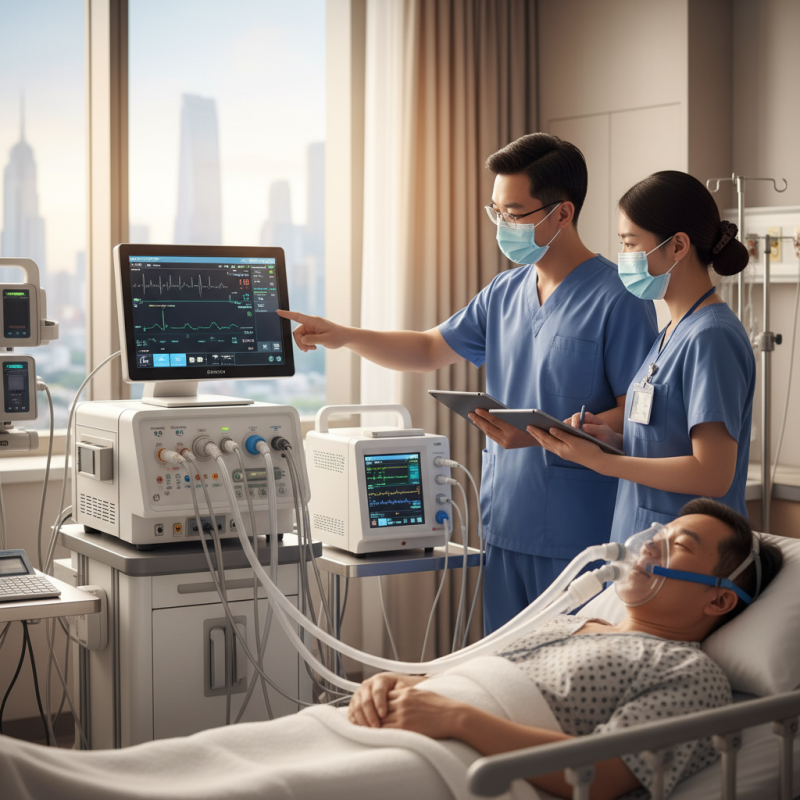
How Does Respiratory Support Equipment Work in China Top Hospitals?

Overview of Respiratory Support Equipment in Chinese Hospitals

In Chinese hospitals, respiratory support equipment plays a crucial role in patient care. Devices like ventilators and nebulizers are commonly used. They assist patients with breathing difficulties. Hospitals are equipped with advanced technology. However, the effectiveness of these devices can sometimes be hampered by staff training and equipment maintenance.

Many doctors believe that proper training is essential. Staff must understand how to operate equipment effectively. A well-functioning ventilator can save lives, but poor settings can lead to complications. Regular maintenance is also a concern. Equipment must be checked frequently to ensure it works properly.

Tips for using respiratory support equipment include ensuring proper settings before use. Always double-check connections to avoid disruptions. Having a qualified team to monitor the equipment is vital. Finally, remember that communication with patients matters. They should feel informed and supported during treatment.

Types of Respiratory Support Equipment Used in Top Hospitals

Respiratory support equipment plays a crucial role in China’s top hospitals. Various types are utilized to assist patients with breathing difficulties. One common device is the mechanical ventilator. This equipment helps patients who cannot breathe adequately on their own. It delivers precise volumes of air and oxygen. However, improper settings can lead to complications. Staff training is vital here.

Another frequently used tool is the continuous positive airway pressure (CPAP) machine. This device maintains air pressure in the airways. It is often used for patients with sleep apnea. However, not all patients tolerate it well. There are instances of discomfort that can affect compliance and outcomes. Regular monitoring is essential.

High-flow nasal cannulas are also popular in hospitals. They deliver oxygen at high flow rates, enhancing oxygenation. While effective, some patients may experience nasal discomfort. This can hinder their ability to continue treatment. Adjustments often need to be made for comfort and effectiveness. Overall, while technology has advanced, challenges remain in ensuring optimal patient experiences.

Mechanisms of Action for Respiratory Support Devices

In China's top hospitals, respiratory support equipment plays a critical role in patient care. These devices assist individuals with breathing difficulties. They are especially vital in cases like pneumonia or COVID-19, where lung function is compromised. According to a recent industry report, about 50% of patients in critical care require some form of respiratory support. This shows a significant demand for effective devices.

Respiratory support devices operate through various mechanisms. For instance, mechanical ventilators deliver air into the lungs, ensuring adequate oxygen supply. Non-invasive devices, such as CPAP machines, provide continuous airflow to keep airways open. These systems are designed to adapt to patients’ needs, adjusting pressure levels accordingly. Interestingly, a study indicated that roughly 30% of patients may struggle with the comfort of such devices, highlighting the need for improvements.

Moreover, proper training is essential for healthcare providers to use these devices effectively. Many hospitals face challenges with device maintenance and calibration, affecting performance. Ensuring that staff are well-versed in handling these technologies could enhance patient outcomes. This ongoing support and development in respiratory care are crucial as new challenges continue to emerge.

Respiratory Support Equipment Usage in Top Hospitals in China

Standards and Regulations Governing Respiratory Equipment in China

In China, respiratory support equipment is subject to strict standards and regulations. These guidelines ensure that hospitals provide safe and effective care. The National Medical Products Administration plays a key role in this process. They oversee the approval and monitoring of respiratory equipment used in healthcare settings.

The regulations cover various aspects. These include manufacturing practices, equipment testing, and usage protocols. Hospitals must meet these standards to ensure patient safety. However, implementation can vary widely across facilities. Some hospitals struggle with outdated equipment or inadequate training for staff. This inconsistency raises concerns about the overall quality of care.

Moreover, regular inspections are mandated, but not always conducted thoroughly. Reports show that some devices do not meet required performance levels. This gap highlights the need for more rigorous enforcement of regulations. Continuous monitoring and professional training are essential to improve outcomes for patients relying on respiratory support. Addressing these challenges can enhance the reliability of critical equipment in healthcare settings.

Recent Advances in Respiratory Support Technology in Chinese Healthcare

Recent advancements in respiratory support technology are transforming healthcare in China's top hospitals. Innovative devices are enhancing patient care and improving recovery outcomes. These technologies range from high-flow nasal cannulas to advanced ventilators, each offering specific benefits for patients with respiratory conditions.

One notable development is the integration of artificial intelligence in respiratory devices. AI systems analyze patient data in real-time, allowing for personalized adjustments to settings, making therapies more effective. However, not every hospital has access to these advanced systems. This disparity can impact patient outcomes.

Training for healthcare professionals is crucial in using new technology effectively. Many hospitals are investing in ongoing education programs. Yet, some staff members may struggle with these changes. The learning curve can be steep, and misunderstandings can occur. Improved training initiatives are essential to ensure maximum benefits from new respiratory support technology.

FAQS

: What is the role of respiratory support devices in hospitals?

: They assist patients with breathing difficulties, especially in conditions like pneumonia or COVID-19.

How do mechanical ventilators function?

Mechanical ventilators deliver air into the lungs to ensure adequate oxygen supply for patients.

What are some non-invasive respiratory support devices?

CPAP machines provide continuous airflow to keep airways open without invasive procedures.

Why is comfort important in the use of respiratory devices?

About 30% of patients struggle with device comfort, indicating a need for better designs.

What training is necessary for healthcare providers?

Proper training is essential for effective use and maintenance of respiratory support devices.

What challenges do hospitals face regarding equipment?

Some hospitals deal with outdated equipment and insufficient staff training, affecting patient care quality.

How are respiratory devices regulated in China?

Strict standards ensure that the equipment used in hospitals is safe and effective for patients.

What is the impact of inspections on device performance?

Regular inspections are required, but they are often not thorough, leading to performance issues.

How can the quality of respiratory care be improved?

More rigorous enforcement of regulations and continuous training for staff are essential for improvement.

Why is ongoing development in respiratory care vital?

New challenges continue to emerge, making it crucial to adapt and enhance respiratory support technologies.

Conclusion

The article "How Does Respiratory Support Equipment Work in China Top Hospitals?" provides a comprehensive overview of the various respiratory support systems utilized in leading Chinese healthcare institutions. It highlights the types of equipment commonly employed, such as ventilators and CPAP machines, while explaining the mechanisms through which these devices facilitate effective respiratory support.

Additionally, the piece delves into the standards and regulations that oversee the implementation and safety of respiratory equipment in China, ensuring high-quality patient care. Recent advancements in technology are also discussed, showcasing how these innovations are improving treatment outcomes. Overall, the article elucidates how does respiratory support equipment work within the framework of Chinese hospitals, demonstrating their pivotal role in critical patient management.

Henry

Henry

Henry is a dedicated marketing professional with a profound expertise in the company's offerings. With years of experience in the industry, he possesses an impressive understanding of the market dynamics and consumer behaviors that drive success. Henry is committed to sharing his insights through......