In today's healthcare landscape, the use of disposable healthcare products has become increasingly prevalent. These items offer numerous advantages that are crucial for both healthcare providers and patients. Understanding what are the benefits of using disposable healthcare products can help organizations make informed decisions.
From enhancing hygiene standards to reducing the risk of cross-contamination, disposable products play a vital role in patient safety. For instance, single-use items like gloves and syringes limit the transmission of infections. Additionally, these products save time and labor in maintaining cleanliness. Yet, there is a need to consider their environmental impact. While disposable items provide convenience, they also contribute to waste.
Healthcare facilities must balance the benefits and drawbacks of disposable products. It’s essential to evaluate their effectiveness against the challenges they pose. This understanding can foster better healthcare practices, ensuring patient well-being while promoting sustainability. A thoughtful approach to disposable healthcare products is necessary for a safer future.
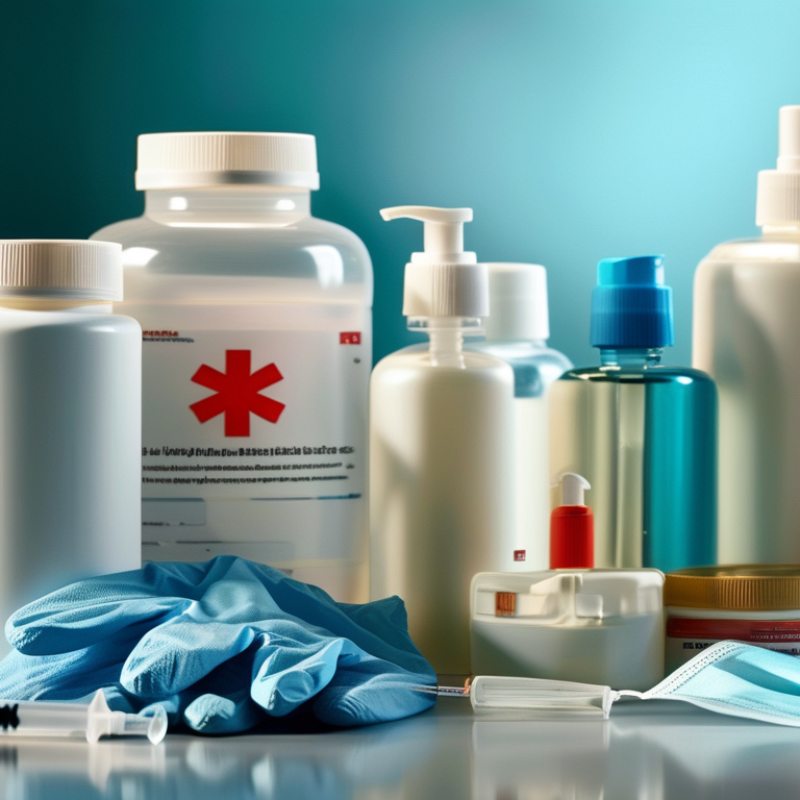
Top 5 Benefits of Using Disposable Healthcare Products
Disposable healthcare products play a crucial role in modern medicine. They ensure safety and hygiene across various applications in healthcare settings. According to a report by the World Health Organization, proper use of disposable products can significantly reduce the risk of infection. In fact, healthcare-associated infections affect 1 in 31 hospital patients, highlighting the need for effective preventive measures.
Another important benefit is cost-effectiveness. A study by the National Center for Biotechnology Information revealed that using disposable items can cut operational costs for healthcare facilities by up to 30%. This efficiency allows providers to allocate resources to other critical areas. While the environmental impact of disposables is a concern, advancements in biodegradable materials are helping to address this issue, fostering a balance between health and sustainability.
However, reliance on disposable products can lead to ethical questions. It's essential to foster a culture of responsibility among healthcare workers. Training on proper usage and disposal is crucial. Reports highlight that improper disposal can lead to risks in infection control. Thus, creating awareness about safe practices is essential. In conclusion, the benefits of disposable healthcare products are clear, but ongoing reflection and improvement are necessary for optimal effectiveness.
Enhanced Infection Control Through Single-Use Medical Items
The use of single-use medical items significantly enhances infection control in healthcare settings. According to a report by the World Health Organization, approximately 5% of patients in developed countries acquire infections during hospital stays. This statistic highlights the urgent need for effective infection prevention measures. Disposable healthcare products, such as syringes and surgical gloves, reduce the risk of cross-contamination. Each item is used for one patient only, limiting the potential for pathogen transfer.
Moreover, a study from the Centers for Disease Control and Prevention indicates that single-use devices can reduce healthcare-associated infections by up to 30%. This reduction is crucial in environments where vulnerable populations receive care. However, some healthcare providers may hesitate to fully embrace disposables due to cost concerns or environmental impact. While it's valid to consider sustainability, the immediate benefits to patient safety should not be overlooked. Striking a balance between economic factors and patient care is essential for providers.
The implementation of disposable products also requires monitoring and compliance with usage protocols. Neglecting proper disposal can lead to hazardous waste accumulation. Therefore, while single-use items promote cleanliness, vigilance in their management is necessary to avoid unintended negative consequences. Overall, the commitment to using disposable products represents a proactive approach to safeguarding patient health amidst ongoing challenges in infection control.
Cost-Effectiveness of Disposable Products in Healthcare Settings
In healthcare settings, the cost-effectiveness of disposable products is significant. These items reduce the need for extensive sterilization processes, which can be time-consuming and costly. Disposable gloves, syringes, and gowns prevent cross-contamination and infection, saving healthcare facilities money from potential liability issues. They also limit waste associated with cleaning reusable items.
When selecting disposable products, consider bulk purchasing to lower costs. Look for suppliers that offer discounts on large orders. Additionally, evaluate the balance between quality and price. Choosing lower-cost items might save money, but they may not provide adequate protection.
Training staff on the proper use of disposable products is vital. Mistakes can lead to increased costs through waste or potential infections. Regular reviews of usage and inventory can help identify trends in waste and areas for improvement. Investing a little time in training can save significant resources in the long run.
Top 5 Benefits of Using Disposable Healthcare Products
Improved Patient Outcomes Linked to Disposable Supplies
In recent years, the healthcare industry has increasingly turned to disposable supplies. This shift has led to improved patient outcomes. Many studies reveal that the use of disposable healthcare products reduces the risk of infection. A report from the Centers for Disease Control and Prevention states that proper use of disposable items can lower healthcare-associated infections by up to 30%.
Single-use supplies also enhance procedural efficiency. They eliminate the need for sterilization, a process that can be time-consuming. According to a study published in the Journal of Healthcare Management, facilities utilizing disposable products saw a 20% increase in patient turnover rates. This efficiency can lead to faster treatment and better overall experiences for patients.
However, there are challenges. The environmental impact of disposable products is a growing concern. Many healthcare providers grapple with balancing efficiency and sustainability. Finding ways to mitigate waste while maintaining safety standards remains essential. While disposable supplies offer significant benefits, reflection on their long-term implications is necessary.
Convenience and Time Efficiency in Clinical Environments
In clinical environments, efficiency is crucial. Disposable healthcare products offer significant convenience. They reduce the time spent on cleaning and sterilization. This allows healthcare professionals to focus more on patient care.
For instance, using single-use syringes can expedite medication administration. There’s no need for extensive cleaning protocols afterward.
In busy hospitals, the pressure is intense. Every second counts. Disposable items help streamline procedures. They eliminate the risk of cross-contamination too. However, over-reliance on disposables can lead to waste. It's essential to balance efficiency with environmental responsibility.
Sustainable practices should not be overlooked, even in urgent situations.
Healthcare workers benefit from the ease of use. Products are ready to go, saving preparation time. Yet, some may question their effectiveness compared to reusable items.
There is ongoing debate about the long-term implications on health and the environment. Consideration of these factors is vital for making informed choices in healthcare settings.
Sustainability Challenges of Disposable Healthcare Products and Solutions
Disposable healthcare products offer significant convenience and hygiene benefits in medical settings. However, their environmental impact raises pressing sustainability challenges. These products contribute to substantial plastic waste. Most are used briefly before being discarded. This trend leads to overflowing landfills and marine pollution.
To address these issues, the healthcare industry must explore sustainable alternatives. Biodegradable materials are one potential solution. They could reduce waste while maintaining necessary hygiene standards. Implementing better recycling programs for disposable items can also help. Hospitals and clinics could foster a culture of sustainability. Training staff on waste management practices is essential. Without proper education, eco-friendly initiatives may fail.
Reflection on current practices is vital. While disposable products serve a purpose, the long-term effects warrant attention. Practitioners should consider balancing convenience with eco-conscious choices. It's an ongoing challenge that requires collaboration across the healthcare sector.
Top 5 Benefits of Using Disposable Healthcare Products
| Benefit |
Description |
Sustainability Challenge |
Proposed Solution |
| Infection Control |
Reduces risk of cross-contamination and infection. |
High plastic waste generation. |
Use biodegradable materials where possible. |
| Convenience |
Easy to use and dispose of, saving time during procedures. |
Limited recycling options. |
Implement take-back programs for recycling. |
| Cost-Effective |
Lower upfront costs compared to reusable products. |
Environmental impact of single-use items. |
Research and develop eco-friendly options. |
| Consistency |
Ensures uniform quality and performance across products. |
Standardization vs. environmental variability. |
Focus on sustainable manufacturing practices. |
| Safety |
Minimizes risk associated with handling and re-sterilizing. |
Disposal issues in healthcare facilities. |
Adopt incineration or advanced waste management solutions. |
FAQS
: They reduce the need for sterilization, saving time and money in healthcare settings.
They minimize cross-contamination, which lowers the risk of healthcare-associated infections significantly.
Bulk purchasing can lower costs. Evaluate the quality and price balance carefully.
Proper training prevents misuse, reducing waste and potential infections, which helps in saving resources.
Facilities using these products reported a 20% increase in patient turnover rates, improving overall experiences.
The growing waste from single-use items poses sustainability challenges that need careful consideration.
Faster processes due to no need for sterilization can lead to quicker treatments and better patient outcomes.
Yes, while they improve efficiency, they also raise concerns about long-term environmental sustainability and waste.
Regular inventory reviews can help identify trends in waste and opportunities for improvement.
Lower-cost items might save money initially but may not provide adequate protection, leading to potential risks.
Conclusion
The article "Top 5 Benefits of Using Disposable Healthcare Products" outlines several advantages that these products provide in medical settings. Firstly, one of the key benefits is enhanced infection control, as single-use items significantly reduce the risk of cross-contamination. Additionally, disposable healthcare products are often more cost-effective, allowing healthcare facilities to manage expenses while maintaining quality care. Improved patient outcomes are also linked to their use, as these products contribute to safer, more hygienic environments.
Moreover, the convenience and time efficiency associated with disposable supplies streamline clinical processes, allowing healthcare professionals to focus more on patient care rather than sterilization protocols. However, the article also addresses sustainability challenges that come with the widespread use of disposable products and suggests potential solutions to mitigate environmental impact. Overall, when considering what are the benefits of using disposable healthcare products, it is clear that they play a vital role in enhancing healthcare delivery while posing certain sustainability concerns.

 Ryu Medical