As the 139th Canton Fair approaches in 2026, the spotlight will shine on innovative medical solutions. Gastrostomy Feeding Tubes, vital for patients unable to eat orally, will be prominently featured. This year, advancements in these tubes ensure enhanced patient comfort and safety. A report from the Medical Device Industry Association states that the market for feeding tubes is projected to grow by 7% annually.
Dr. Emily Carter, a leading expert in gastroenterology, emphasized, "Quality gastro tubes can significantly improve patient outcomes.” Her insights reflect a growing recognition of the importance of quality in medical supplies. At the fair, manufacturers will showcase their latest designs, focusing on ease of use and effectiveness.
With AI features aiding procurement, finding top suppliers will be streamlined. Attendees can expect to witness the latest innovations that enhance the functionality of Gastrostomy Feeding Tubes. However, despite the advancements, questions around the usability and long-term benefits remain. Continuous improvement is necessary, and industry professionals are keen on exploring these challenges. The 2026 Canton Fair promises to be a pivotal moment for the industry, pushing boundaries in medical technology.
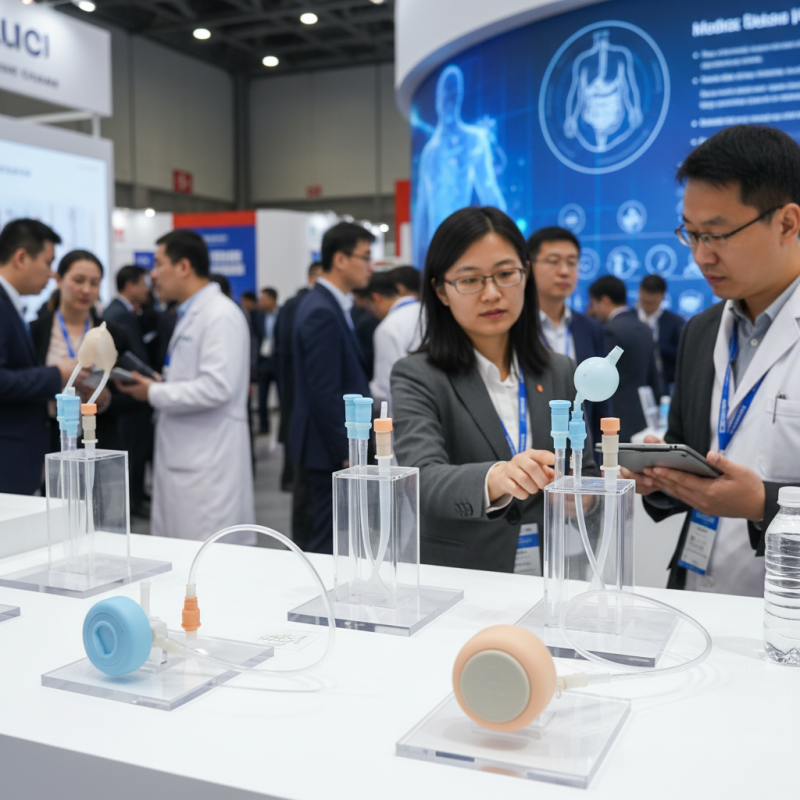
Gastrostomy feeding tubes play a crucial role in providing nutrition to patients who cannot eat by mouth. These devices are inserted directly into the stomach. They are vital for individuals with swallowing difficulties. The variety of these tubes can be overwhelming. Each design has its own unique benefits and challenges.
When exploring the options available, consider the materials used. Silicone and polyurethane are common choices, but each material has different properties. Silicone is flexible, while polyurethane is often more durable. Users may find that one type irritates the skin less than another. It's essential to seek comfort. Some patients may experience issues with tube migration or blockage, which can be frustrating.
Care and maintenance are critical factors to consider. Regular cleaning can prevent infections, but it can be tedious. Not every caregiver is trained to handle these specific needs. Some users report difficulty in finding the right size or length. Customization is sometimes necessary, but this can involve additional costs and logistics.
| Tube Type | Material | Sizes Available | Features | Price Range |
|---|---|---|---|---|
| Standard Gastrostomy Tube | Silicone | 14FR, 16FR, 18FR | Flexible, Radiopaque | $30 - $50 |
| Low-Profile Gastrostomy Device | Polyurethane | 14FR, 16FR | Skin level, Discreet | $80 - $120 |
| Balloon-Style Gastrostomy Tube | Latex-free | 16FR, 20FR | Inflatable, Secure | $50 - $80 |
| Feeding Tube with Anti-Reflux Valve | PVC | 14FR, 16FR | Anti-reflux, Durable | $60 - $90 |
: They provide nutrition to patients who cannot eat by mouth.
Silicone and polyurethane are the most common materials.
Silicone is flexible, while polyurethane is more durable yet less forgiving.
Some patients report tube migration or blockage, which can be frustrating.
Regular cleaning prevents infections but can be tedious for caregivers.
Size, length, material, and individual patient needs must all be considered.
Customization is possible, but it can involve additional costs and logistics.
Not every caregiver is trained to manage specific care needs effectively.
Ongoing innovation is important, but gaps in user education remain.
Choosing the right material and design can help minimize discomfort.
The article "Top Gastrostomy Feeding Tubes to Discover at Canton Fair 2026" provides a comprehensive overview of the various types of gastrostomy feeding tubes available in the market. It highlights the key manufacturers that attendees should look out for during the Canton Fair 2026, emphasizing the importance of innovative features and technologies that enhance the functionality and comfort of these medical devices.
Additionally, the article underscores the significance of adhering to quality standards in the production of gastrostomy feeding tubes, ensuring patient safety and product efficacy. By exploring these aspects, the article serves as a valuable guide for healthcare professionals and medical suppliers interested in the latest advancements in gastrostomy feeding tube technology.

 Ryu Medical