2026 Top Tips to Prevent Infection When Using Medical Tubes

Time:2026-05-09 Author:Aria
0%

In the healthcare sector, preventing infections when using medical tubes is crucial. Dr. Emily Carter, an infection control expert, emphasizes, "Proper techniques can dramatically reduce infection risks." Understanding how to prevent infection when using medical tubes requires knowledge of best practices and vigilant application.

Medical tubes, while essential, may introduce pathogens. Adhering to hygiene protocols is vital. Regularly changing dressings and maintaining a sterile environment can mitigate risks. Nurses and healthcare staff should receive comprehensive training on infection prevention strategies. Their expertise directly impacts patient safety.

Despite advancements, lapses can occur. Staff might overlook a step in the procedure, leading to potential complications. Continuous education and reminders are necessary to uphold standards. Awareness of how to prevent infection when using medical tubes ensures better health outcomes and reinforces a culture of safety.
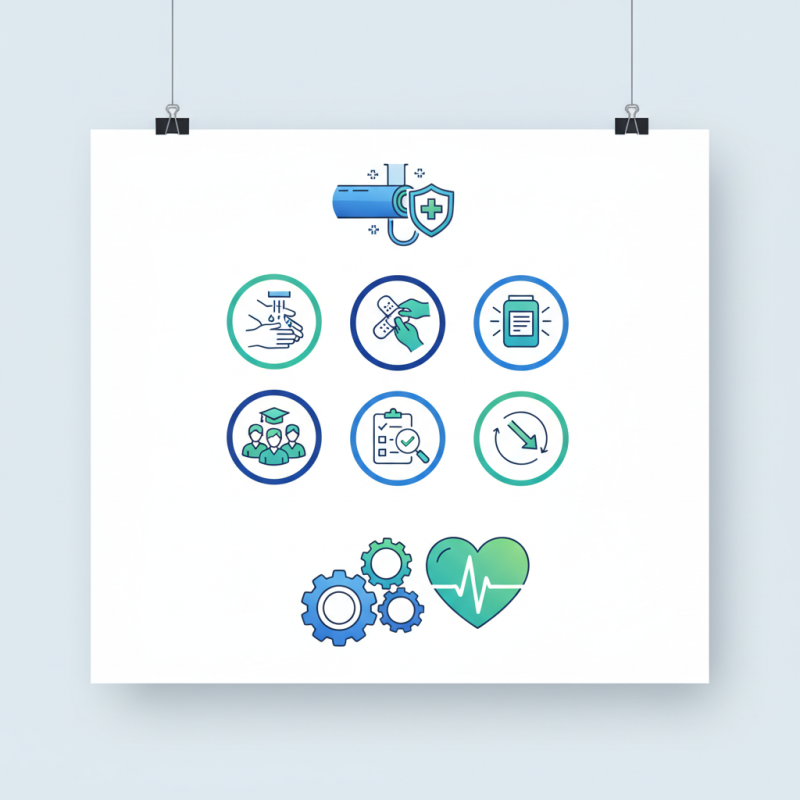
2026 Top Tips to Prevent Infection When Using Medical Tubes

Understanding the Types of Medical Tubes and Their Infection Risks

When it comes to medical tubes, understanding the types and associated infection risks is crucial. Medical tubes, including catheters and feeding tubes, are essential for patient care. However, they pose significant infection risks. For instance, urinary catheters can lead to urinary tract infections. Similarly, ventilator tubes can introduce bacteria into the lungs.

Proper maintenance and hygiene practices are vital in reducing these risks. Regular checks and sterile techniques during insertion can help. However, many healthcare providers overlook these critical steps. The importance of education cannot be understated. Training staff on proper tube management can significantly decrease infection rates. It's essential to develop clear guidelines for each type of tube used in medical settings.

Additionally, patient awareness plays a key role in prevention. Patients should ask questions and be informed about their tubes. Recognizing the signs of infection early could save lives. Patients must communicate any concerning symptoms to their healthcare providers promptly. While we strive for perfection in patient care, the reality is that lapses can happen. Continuous reflection on practices can help improve outcomes and enhance patient safety.

Best Practices for Hand Hygiene Before Tube Handling

Maintaining hand hygiene before handling medical tubes is critical in preventing infections. Germs are present everywhere, and although we can't see them, their impact can be significant. Ensure to wash your hands with soap and water for at least 20 seconds before touching any medical equipment. This simple act greatly reduces the risk of transferring pathogens.


When using hand sanitizer, verify it contains at least 60% alcohol. Apply enough sanitizer to cover all surfaces of your hands. Rub your hands until they feel dry. Keep in mind that visibly dirty hands may not be adequately cleaned with sanitizer alone. In such cases, wash with soap and water.


Always wear disposable gloves when handling tubes after washing your hands. Remember, gloves do not replace hand hygiene. They can still become contaminated and should be treated as extensions of your skin. Replace them as necessary after any potential exposure. Reflect on your practices regularly—are you prioritizing hygiene to protect yourself and your patients?

Techniques for Proper Tube Insertion and Maintenance

Proper tube insertion and maintenance are critical in preventing infections. Healthcare professionals should ensure a sterile environment before any procedure. Hand hygiene is essential; wash hands thoroughly or use hand sanitizer. Use gloves, masks, and sterile drapes during the insertion process to minimize contamination risk. Check the tube for defects before insertion. A damaged tube can lead to complications.

Regular monitoring of the insertion site is necessary. Look for signs of infection such as redness, swelling, or discharge. Change the dressing according to protocols, ensuring it remains clean and dry. Inadequate dressing changes can introduce harmful bacteria. It's important to document any changes in the patient's condition. Frequent assessments help catch issues early.

Teaching patients about their tube care is equally essential. Educate them about signs of infection and the importance of keeping the area clean. Sometimes, patients may forget or neglect their care routines. Regular follow-ups can encourage adherence to these practices. Reflecting on these insights can lead to improved outcomes and a higher standard of care.

2026 Infection Prevention Techniques Using Medical Tubes

Recognizing Signs of Infection and When to Seek Medical Help

Infections can develop easily when using medical tubes, so recognizing signs is crucial. Look for redness or swelling around the insertion site. Any discharge or unusual odor can indicate an infection. Increased pain or warmth around the area should also raise concerns. These symptoms may seem minor, but they can signal a more significant problem.

Knowing when to seek medical help is vital. If you notice any signs of infection, don’t hesitate to call your healthcare provider. Delaying treatment can lead to complications, making the situation worse. Trust your instincts; if something feels off, reach out for professional advice. You deserve prompt care, especially if you're worried about infection.

Sometimes, patients ignore early warning signs. They think it will pass or that it’s nothing serious. This attitude can lead to unnecessary complications. It's essential to be proactive about your health and communicate any concerns. Remember, early intervention is key to preventing further issues.

Implementing Regular Training for Healthcare Staff on Infection Control

Regular training for healthcare staff is crucial in preventing infections linked to medical tubes. Knowledgeable staff are better equipped to follow best practices. Training sessions should focus on the latest infection control guidelines. Engaging and interactive methods can reinforce learning. Simulations and role-playing increase understanding of risks associated with tube usage.

Routine evaluations of staff skills are necessary. These assessments can pinpoint areas needing improvement. Support and feedback foster a culture of continuous learning. Even experienced staff can struggle with new protocols. A system for peer support can enhance confidence and compliance.

Creating a safe environment relies on teamwork. Encouraging open conversations about challenges can help staff voice concerns. Real-life scenarios during training can enhance practical skills. Reflecting on past incidents allows staff to learn from mistakes. Regular training is not just a requirement; it is a commitment to patient safety.

FAQS

: What are the main types of medical tubes associated with infection risks?

: The main types include catheters and feeding tubes, both of which can lead to serious infections.

How can infection risks from medical tubes be reduced?

Ensuring proper maintenance, hygiene practices, and regular checks can significantly lower infection risks.

Why is staff training on tube management important?

Training helps staff follow best practices and reduces the chance of infection significantly.

What should patients know about their medical tubes?

Patients should be aware of care routines, recognize infection signs, and communicate any symptoms to their providers.

How frequently should the insertion site of a tube be monitored?

The site should be monitored regularly for signs like redness, swelling, or discharge.

What is a common oversight made by healthcare providers regarding tube management?

Many providers overlook essential hygiene practices during tube insertion, increasing infection risks.

How can healthcare staff enhance their infection control skills?

Routine evaluations and regular training sessions help staff maintain and improve their skills over time.

Why is patient education about tube care crucial?

Educated patients are more likely to ensure their tubes are cared for properly, preventing infections.

What might happen if dressing changes are inadequate?

Inadequate dressing changes can introduce harmful bacteria, increasing the risk of infection.

How does reflecting on past incidents benefit healthcare staff?

Reflecting on past incidents helps staff learn from mistakes and improves future patient care outcomes.

Conclusion

The article "2026 Top Tips to Prevent Infection When Using Medical Tubes" emphasizes the critical importance of understanding various medical tubes and their associated infection risks. It highlights best practices for hand hygiene before handling these tubes, underscoring how proper sanitation is fundamental in minimizing the risk of infections. Techniques for correct tube insertion and maintenance are detailed, ensuring that healthcare professionals are equipped with knowledge to perform these procedures safely.

Additionally, the article covers how to recognize early signs of infection and outlines when to seek medical assistance, which is vital for patient safety. It stresses the value of implementing regular training sessions for healthcare staff to reinforce infection control measures. Overall, this comprehensive guide serves as a valuable resource for healthcare providers on how to prevent infection when using medical tubes, ensuring better outcomes for patients.

Aria

Aria

Aria is a dedicated marketing professional with a deep passion for innovative strategies and a keen understanding of our company's product offerings. With a wealth of experience in the industry, Aria excels at crafting engaging content that highlights the unique features and benefits of our......