Top 10 Uses of Anesthesia Respiratory Equipment Explained

Time:2026-05-03 Author:Sophia
0%

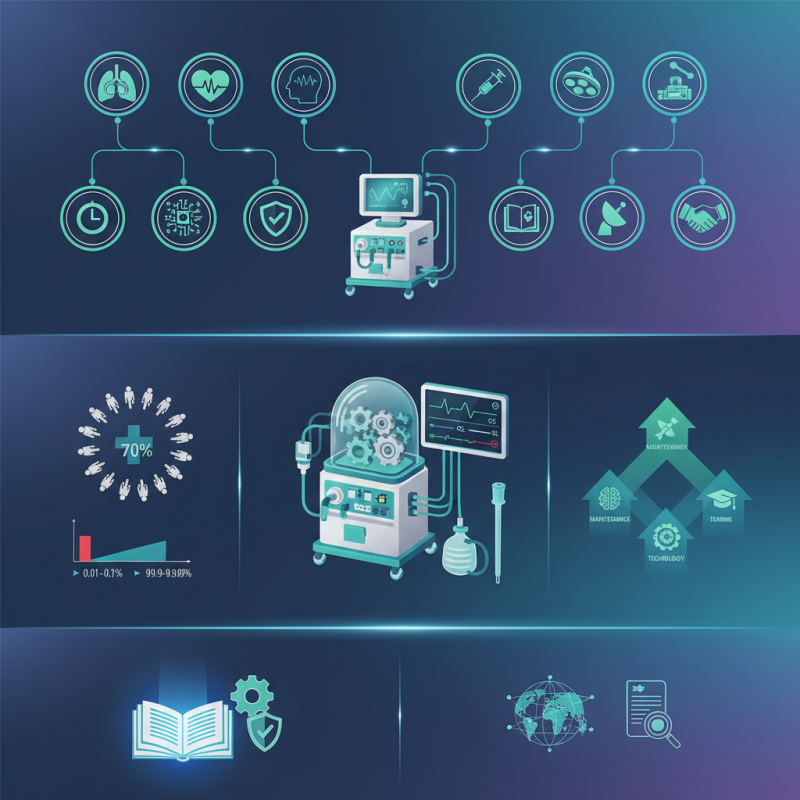
Anesthesia respiratory equipment plays a crucial role in modern medicine. Understanding what is the purpose of anesthesia respiratory equipment is essential for healthcare professionals. This equipment ensures that patients receive adequate oxygen while under sedation or general anesthesia. According to a report from the World Health Organization, anesthesia-related complications account for about 0.01% to 0.1% of surgical cases. Proper use of respiratory equipment can significantly reduce these risks.

In hospitals, over 70% of surgeries require some form of anesthesia. This highlights the need for reliable respiratory equipment. Anesthesia machines, ventilators, and monitors are vital in managing patients' airways and respiratory function. The equipment provides reliable support, enabling anesthesiologists to focus on the procedure itself. However, there's still room for improvement in training and technology.

Despite advances, challenges remain. Anesthesia equipment must be routinely checked and maintained to ensure functionality. Misuse or equipment failure can have serious consequences. Therefore, understanding the nuances of each apparatus is critical. Continuing education and adherence to best practices enhance patient safety. This article will explore ten key uses of anesthesia respiratory equipment, shedding light on its significance in patient care.
Top 10 Uses of Anesthesia Respiratory Equipment Explained

Understanding Anesthesia Respiratory Equipment and Its Importance

Anesthesia respiratory equipment is crucial in modern medicine. It enables precise control over a patient’s breathing during surgical procedures. This equipment ensures that adequate oxygen reaches the lungs while maintaining proper ventilation. Respiratory support is vital for patients who cannot breathe independently. Anesthesia machines often include ventilators that manage both inhalation and exhalation, safeguarding patients’ safety.

The importance of this equipment extends beyond surgery. It is also used in critical care units. Intensive care patients frequently require advanced respiratory support. Proper use of these technologies can significantly improve patient outcomes. Health professionals must receive thorough training in operating this equipment. Mismanagement or malfunction can lead to severe complications. Understanding the limitations and capabilities of anesthesia respiratory devices is essential.

Despite advancements, challenges remain. Equipment may fail or malfunction. Backup systems should always be available. Ongoing training helps staff adapt to new technologies. Regular maintenance checks are necessary to ensure reliability. Each healthcare facility must prioritize this aspect. It is a constant reminder that technology should enhance, not replace, human skill and judgment in patient care.

Common Types of Anesthesia Respiratory Equipment Used in Medical Settings

Anesthesia respiratory equipment plays a vital role in ensuring patient safety during surgical procedures. Commonly used devices include anesthesia machines. These machines deliver a precise mix of gases, allowing for controlled ventilation. They monitor the patient's vital signs throughout the surgery. Understanding how these devices function can greatly enhance their effectiveness.

Another essential tool is the endotracheal tube. This tube secures the airway and prevents respiratory complications. Proper placement is crucial for maintaining oxygen levels. However, healthcare professionals must continuously assess its position. Misplacement can lead to serious consequences.

Bag-valve masks are also prevalent in many medical settings. They provide manual ventilation to patients who cannot breathe adequately. These masks require skilled hands for effective use. In emergencies, rapid action is necessary. Yet, practitioners must remain calm to avoid errors. Being familiar with each piece of equipment helps ensure better outcomes.

Top 10 Uses of Anesthesia Respiratory Equipment

Applications of Anesthesia Respiratory Equipment in Surgical Procedures

Anesthesia respiratory equipment plays a crucial role in surgical procedures. These devices ensure that patients receive the correct dose of anesthetic gases while maintaining stable breathing patterns. According to the American Society of Anesthesiologists, over 33 million general anesthesia procedures occur in the U.S. annually, highlighting the importance of reliable respiratory equipment.

Ventilators, laryngeal masks, and endotracheal tubes are commonly used tools. They establish and maintain an open airway. Effective ventilation is vital in complicated surgeries, particularly in critical care settings. Studies show that proper use of these tools can reduce postoperative complications by as much as 30%.

Tips: Always ensure equipment is regularly calibrated and serviced. This reduces failure rates during procedures. Additionally, proper training for staff is essential. Even minor knowledge gaps can lead to significant risks during surgeries. Re-evaluate training programs regularly to ensure up-to-date practices. Remember, reliance on technology should not replace clinical judgment; both go hand-in-hand for optimal patient care.

Role of Anesthesia Respiratory Equipment in Patient Monitoring

Anesthesia respiratory equipment plays a crucial role in patient monitoring during surgery. These devices assist in maintaining optimal respiratory function throughout procedures. According to a report by the American Society of Anesthesiologists, 70% of anesthesia-related complications stem from respiratory issues. Proper monitoring can reduce such risks significantly.

Continuous monitoring of a patient's oxygen saturation levels is essential. This involves using pulse oximeters that quickly assess the amount of oxygen in the blood. When levels drop, healthcare professionals can intervene promptly. Studies indicate that patients with real-time monitoring experience up to 30% fewer complications. Equipment must be reliable, but human oversight remains vital for interpreting data accurately.

Tips for effective monitoring include regular calibration of equipment to ensure precision. Educating medical staff on interpreting data can enhance patient outcomes. It’s important to question if all equipment is routinely maintained, as lapses can lead to errors. Regular training can reinforce understanding of equipment and technology used in anesthesia, ultimately improving patient safety.

Innovations and Future Trends in Anesthesia Respiratory Technology

Innovations in anesthesia respiratory technology are reshaping patient care in surgical settings. Advanced monitoring systems now use artificial intelligence to analyze patient data in real-time. This reduces the risks associated with anesthesia-related complications. According to a study by the American Society of Anesthesiologists, more precise monitoring has decreased adverse events by up to 30% in recent years. This improvement reflects a commitment to patient safety and enhanced procedural outcomes.

Future trends include the integration of wearable technology. These devices can monitor patients' vital signs outside the operating room. By providing continuous feedback, they allow healthcare providers to respond quickly to any signs of distress. Moreover, the rise of telemedicine is influencing anesthesia practices. Remote consultations can prepare patients better and streamline processes. However, challenges remain in data privacy and the accuracy of remote assessments. As the field evolves, balancing innovation with patient safety and ethical considerations is vital. Embracing these advancements requires reflection on existing protocols and patient interactions.

FAQS

: What is the role of anesthesia respiratory equipment in surgeries?

: This equipment controls breathing and ensures proper oxygen delivery during surgical procedures. It ensures patient safety.

Why is the training of health professionals critical when using this equipment?

Inadequate training can lead to improper use, increasing the risk of complications. Ongoing education is essential.

What common devices are used in anesthesia respiratory equipment?

Common devices include anesthesia machines, endotracheal tubes, and bag-valve masks. Each serves a specific purpose in patient care.

How does an endotracheal tube function?

It secures the airway and maintains oxygen levels. Proper placement is crucial to avoid serious complications.

What can happen if anesthesia equipment malfunctions?

Malfunctions may lead to critical complications. Backup systems should always be available to mitigate risks.

How often should anesthesia respiratory equipment be serviced?

Regular maintenance is crucial to ensure reliability. Frequent checks help prevent equipment failure during procedures.

How does proper ventilation impact surgical outcomes?

Effective ventilation can reduce postoperative complications significantly, highlighting its importance in complex surgeries.

What should practitioners do during emergencies with respiratory equipment?

Practitioners must act swiftly while remaining calm. This reduces the chance of errors and ensures patient safety.

What is a common misconception about anesthesia technology?

Some may think technology alone can replace human skill. However, clinical judgment is key in patient care.

Why is re-evaluating training programs important?

Training programs need updates to reflect current practices. Knowledge gaps can lead to increased risks during surgery.

Conclusion

Anesthesia respiratory equipment plays a crucial role in modern medical practices, specifically during surgical procedures. Understanding what is the purpose of anesthesia respiratory equipment reveals its importance in ensuring patient safety and comfort. This equipment allows for the precise delivery of anesthetic gases and the monitoring of respiratory status, which is vital during surgery.

Common types of anesthesia respiratory equipment include ventilators, anesthesia machines, and gas monitors, each serving specific functions to maintain effective ventilation and oxygenation. Innovations in this field continue to enhance the capabilities of these devices, leading to improved patient outcomes and a more streamlined surgical process. As technology advances, the applications of anesthesia respiratory equipment expand, emphasizing the necessity of ongoing development and integration in medical practice.

Sophia

Sophia

Sophia is a dedicated marketing professional with an exceptional depth of knowledge about her company's products and services. With a keen understanding of market trends and customer needs, she crafts insightful blog posts that not only inform but also engage readers, enriching the company’s online......