Understanding the role of medical tubes in surgery is crucial for both professionals and patients. These devices facilitate various functions that enhance surgical outcomes. Medical tubes ensure proper airflow, fluid drainage, and nutrient delivery during procedures.
When exploring "what is the role of medical tubes in surgery," consider their impact on patient safety. For instance, endotracheal tubes maintain open airways for anesthesia. Chest tubes help remove air or fluid from the pleural space. These functions can significantly affect recovery times and overall success.
However, there are potential complications linked to their use. Misplacement or blockage can lead to serious consequences. Even experienced surgeons must remain vigilant. Continuous training and awareness about tube management are essential. This reflects the need for improvement in surgical practices. Understanding these complexities can foster better communication between patients and healthcare providers.
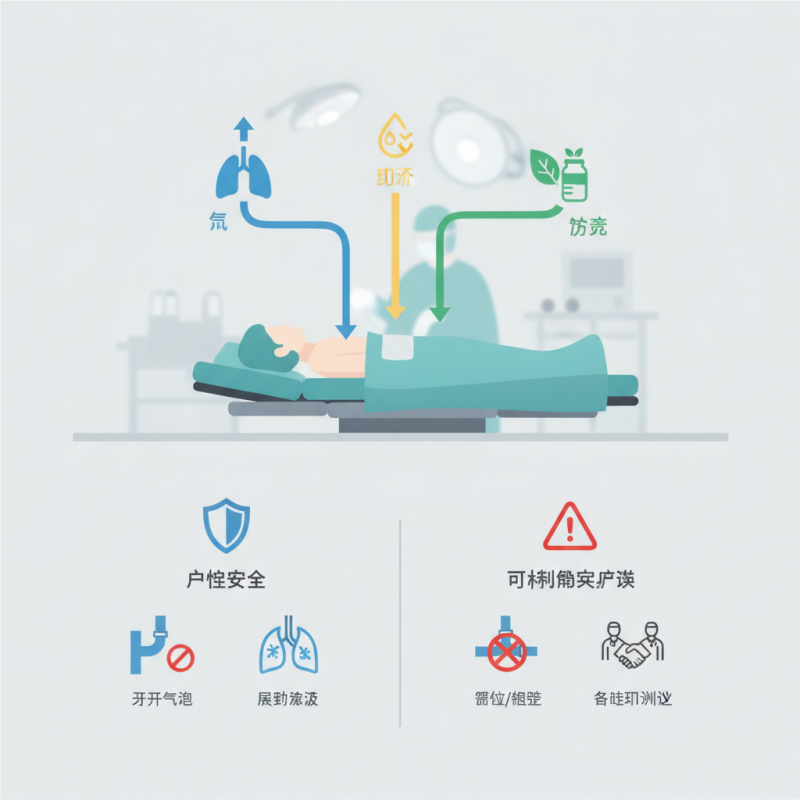
Medical tubes play a crucial role in surgical procedures. They ensure the safe administration of fluids, gases, and medications. These tubes help maintain vital functions during surgery. They assist in monitoring patients’ conditions in real-time. For instance, endotracheal tubes keep the airway open, allowing anesthesia and ventilation. This reduces the risk of complications related to airway obstruction.
Intraoperative use of medical tubes requires precision and care. Surgeons and anesthetists must decide the type and placement of each tube. A misplaced tube can lead to significant issues. An ideal insertion may not always occur on the first attempt. Continuous training and simulation exercises help medical professionals develop the necessary skills. Experience in real-life situations remains invaluable.
The reliance on medical tubes raises concerns about complications. Tubes can become blocked or dislodged, affecting patient outcomes. Regular checks and proper maintenance can mitigate risks. Medical professionals must encourage open communication about concerns. Understanding the intricacies of medical tubes in surgery is essential for improving patient safety.
Medical tubes play a crucial role in surgical procedures. These tubes aid in various functions, such as administering medication, draining fluids, or providing nutrition. Understanding the types of medical tubes can enhance care for patients undergoing surgery.
One common type of medical tube is the endotracheal tube. It ensures an open airway during anesthesia. Proper placement is vital, yet achieving this can sometimes be challenging. Another type is the Foley catheter, used for bladder drainage. It is inserted through the urethra, allowing safe urine extraction. Although effective, improper insertion may lead to infections.
Another significant type is the nasogastric tube. This tube provides nutrition directly to the stomach. It can also remove gastric contents to prevent nausea. While beneficial, patients may experience discomfort. Each type of tube serves specific purposes, and their use requires careful consideration. Mismanagement can lead to complications, emphasizing the importance of training and practice among medical professionals.
Medical tubes play a crucial role in surgical settings. They facilitate various functions that enhance patient outcomes. For instance, ventilatory tubes ensure proper airflow during surgeries requiring anesthesia. These tubes help maintain oxygen levels and prevent respiratory complications.
Drains are another significant type of medical tube. They eliminate fluid buildup post-surgery, reducing infection risks. Careful placement of drains is vital, as improper positioning can lead to complications. Surgeons must assess each patient’s needs and adjust accordingly.
Tips: Always ensure tubes are properly secured. Loose tubes can lead to leaks or dislodgement. Regular monitoring is essential. Be aware of signs like unusual swelling or pain. These may indicate issues with the tubes that require prompt attention. Understanding these tubes' roles enhances patient safety and surgical success.
| Tube Type | Function | Benefits |
|---|---|---|
| Endotracheal Tube | Facilitates airflow to the lungs during anesthesia | Ensures adequate ventilation and oxygenation during surgery |
| Nasogastric Tube | Removes gastric contents and delivers medications | Prevents aspiration and allows for nutritional support |
| Catheter | Drains urine from the bladder | Monitors urine output and maintains bladder health |
| Intravenous (IV) Catheter | Delivers fluids and medications directly into the bloodstream | Rapid delivery of treatments and hydration |
| Drainage Tube | Allows for the removal of fluids or air from a surgical site | Reduces the risk of infection and promotes healing |
Insertion and maintenance of medical tubes during surgery is a critical process. According to recent studies, improper insertion techniques can lead to complications in 30% of cases. Guidelines recommend using sterile equipment and adhering to specific protocols to minimize risks. Each step in the tube insertion process should be carefully monitored. This includes ensuring the correct positioning of the patient and the tube itself.
Maintenance of these tubes is equally important. Regular checks and cleansing can significantly reduce infection rates. Research shows that daily monitoring decreases the incidence of tube-related infections by up to 25%. Visualization of tube placement via imaging can help ensure proper function and prevent displacement.
Despite advancements in techniques, the challenge remains in training medical staff. Some professionals still encounter difficulties in tube handling. Continued education is vital, emphasizing hands-on training. The need for improved protocols is clear. Regular audits and feedback loops could enhance compliance with established guidelines.
Medical tubes play a crucial role in surgery, facilitating various procedures. However, their use is not without risks. According to a report from the American Society of Anesthesiologists, complications from medical tubes can affect up to 30% of patients during surgery. These complications can range from minor issues to serious health risks.
Infection is a significant concern. Tubes can serve as entry points for bacteria. Studies indicate that surgical site infections occur in about 5%-10% of cases involving tube placement. Additionally, misplacement of tubes, such as endotracheal tubes, can lead to inadequate ventilation or even asphyxiation. Each scenario carries its own set of potential complications that require careful monitoring.
Moreover, the pressure caused by tubes can create discomfort and even injury. Research has found that up to 15% of patients experience pressure ulcers due to prolonged tube use. This underscores the importance of proper technique and regular assessments during surgery. Awareness of these risks can aid in improving patient outcomes and refining surgical practices.
This chart illustrates the potential risks associated with various types of medical tubes used in surgeries, measured by the percentage of complications observed. Understanding these risks is crucial for improving surgical outcomes.
: Medical tubes safely administer fluids, gases, and medications during surgery. They help maintain vital functions.
Endotracheal tubes keep the airway open. This allows effective anesthesia and ventilation, reducing airway obstruction risks.
Misplaced tubes can lead to serious complications. Precision is necessary for effective treatment and patient safety.
Professionals may struggle with proper techniques. Not every insertion is successful on the first attempt.
Regular checks and maintenance can reduce risks. Open communication about concerns is also essential for safety.
Sterile equipment and specific protocols should be followed. Daily monitoring can significantly lower infection rates.
Continuous education and hands-on training are vital. Some staff may still find tube handling challenging.
Imaging can visualize tube placement. This helps ensure correct function and prevents displacement.
Improper techniques can lead to complications in about 30% of cases. Adhering to guidelines is crucial.
Regular audits and feedback loops can enhance adherence. Improved training may also benefit overall compliance.
Medical tubes play a crucial role in surgical procedures by enabling various essential functions that enhance patient care. What is the role of medical tubes in surgery? They facilitate the administration of medications, fluids, and anesthesia, while also assisting in drainage and monitoring vital parameters during operations. Different types of medical tubes, such as catheters, drainage tubes, and feeding tubes, are used depending on the surgical context, each contributing to the overall success of the procedure.
The functions and benefits of medical tubes extend to improved patient outcomes, including reduced infection risk and streamlined recovery. However, specific protocols are necessary for the insertion and maintenance of these tubes to minimize potential risks and complications. Understanding these aspects is vital for healthcare professionals to optimize the use of medical tubes in surgical settings and ensure patient safety throughout the surgical journey.

Ryu Medical