Modern clinical infrastructure relies fundamentally on the integrity of Medical Gas Pipeline Systems (MGPS). These complex piping structures serve as the lifeline of hospitals, delivering highly critical diagnostic, therapeutic, and life-supporting gases directly to patient terminals. Within this ecosystem, medical gas outlets constitute the ultimate interface between high-precision distribution loops and clinical apparatuses. A fail-safe outlet ensures that whether the system is feeding high-pressure oxygen to ventilators, nitrous oxide to anesthesia systems, or medical air to neonatal incubators, pressure and flow remain strictly regulated.
Under international health standards (specifically ISO 7396-1 and NFPA 99), the design and manufacturing dynamics of medical gas terminal units are subject to uncompromising regulations. Unlike generic plumbing fittings, medical outlets must feature gas-specific indexing profiles (such as Diameter Index Safety Systems - DISS, Pin Index Safety Systems - PISS, or quick-connect designs specific to standards like Ohmeda, Chemetron, DIN, and British Standards). This mechanical indexing completely eliminates the possibility of cross-connection, which could otherwise prove fatal to patients.
Clinical Insight: Cross-connection of medical gases (e.g., swapping Nitrous Oxide for Oxygen) remains one of the most critical safety issues in healthcare facilities. Using precision-engineered, dual-stage lock-out outlets from a verified medical gas outlets factory is the most effective engineering control against this hazard.
For large-scale medical centers, healthcare contractors, and international procurement agencies, sourcing components from reliable exporters who understand local medical customs and mechanical configurations is essential. High-performance outlets must maintain minimal leakage rates (often measured down to fractions of a milliliter per hour under high pressure) to preserve system pressure and minimize gas loss. This optimization helps keep healthcare facility operating costs sustainable over time.
Headquartered in Shanghai with robust manufacturing bases in Jiangsu Province near the Shanghai Port, Shanghai Ryu Medical Co., Ltd. stands as a premier medical equipment supplier in China. Backed by more than 10 years of clinical and commercial field experience, our core team bridges the gap between mechanical engineering precision and strict healthcare sector protocols. We serve as a direct manufacturer of critical medical devices, alongside a strategic network of certified partner factories. This structure enables us to provide a comprehensive, clinical-grade medical hardware supply chain to markets across Europe, Africa, Asia, and the Americas.
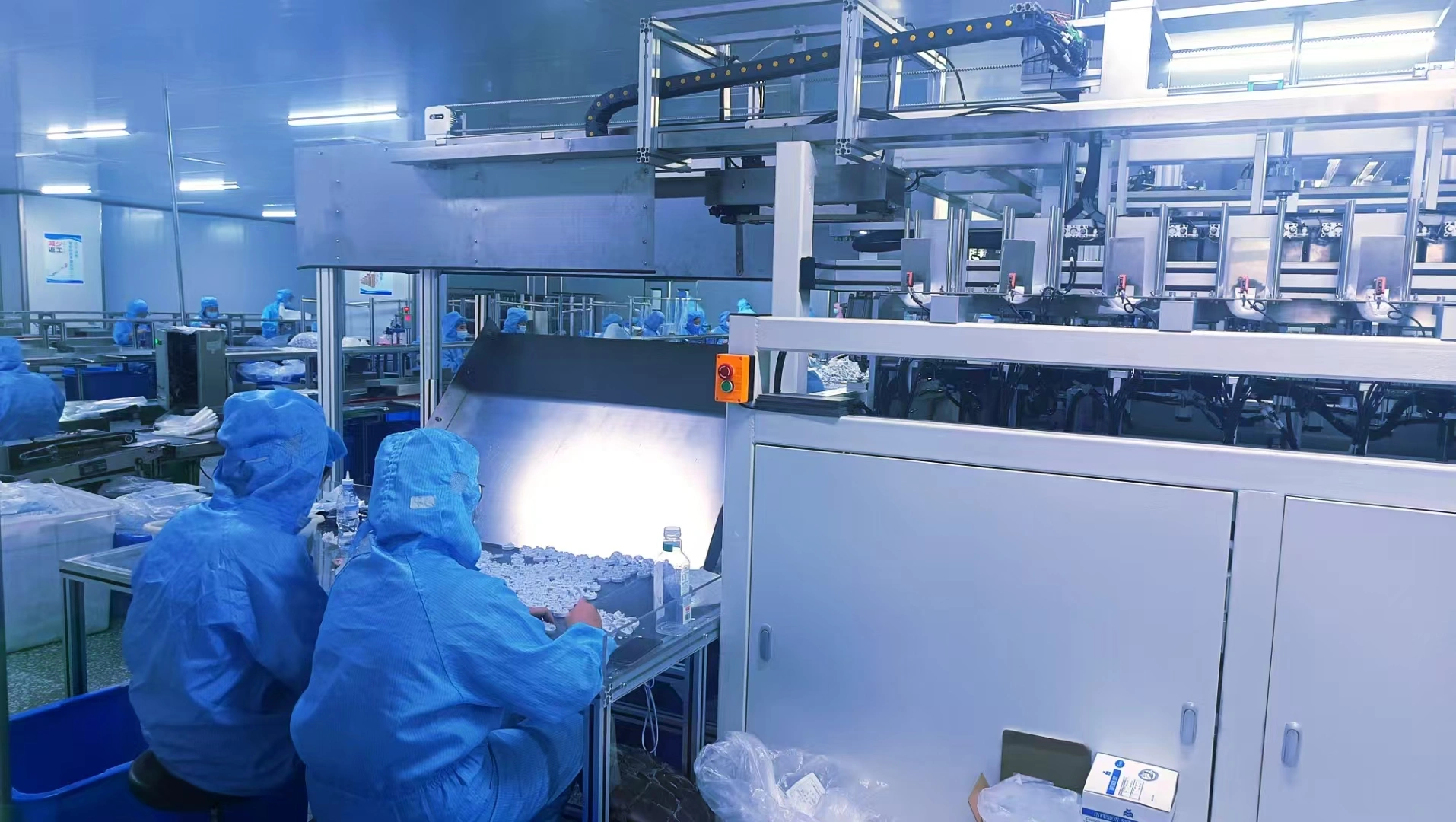
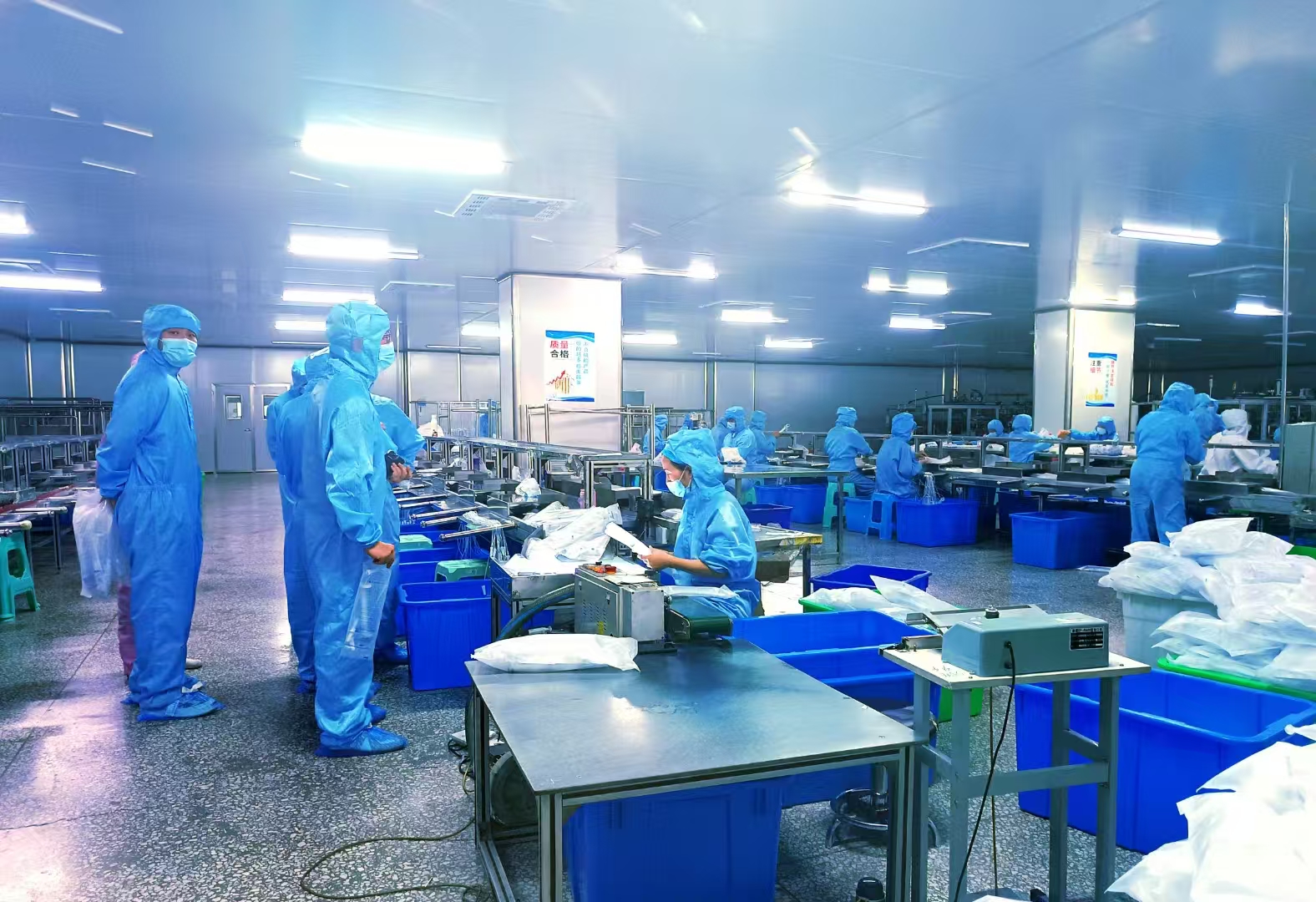
At Ryu Medical, customer success and patient safety guide all our production processes. The technical requirements of medical gas systems demand that every brass fitting, O-ring, and quick-connect valve face rigorous testing before leaving the factory. To ensure consistent quality across all production lines, we have established a dedicated in-house Quality Control (QC) team. This team operates directly on-site at our manufacturing facilities, monitoring process parameters from raw copper selection to final product packing.
Our commitment to safety is backed by international regulatory certifications. Our product portfolio holds certifications including CE and ISO 13485, validating that our quality management system meets the regulatory standards for medical device manufacturing.
Clinical environments vary widely between regions, and medical gas system components must adapt to these localized engineering customs. To meet this need, modern medical gas outlets are designed around regional connection types. This versatility allows hospitals to maintain compatibility with existing diagnostic and therapy devices while upgrading their primary gas delivery systems.
| Standard Type | Common Regions | Safety Mechanism | Key Properties |
|---|---|---|---|
| Ohmeda Quick-Connect | North & South America, Asia | Pin-Key Configuration | Fast one-handed snap connection; high clinical prevalence in ICU and operating theaters. |
| Chemetron Quick-Connect | USA, Middle East | Rectangular Release Latch | Flat latch face design; helps prevent accidental releases during clinical procedures. |
| British Standard (BS 5682) | UK, Commonwealth, Middle East | Index Pin Arrangement | Heavy-duty chrome-plated brass base; reliable long-term seal under high flow rates. |
| DIN 13260-2 | Germany, Central & Eastern Europe | Concentric Outer Sleeve Lock | Robust engineering; designed to withstand high pressure cycles in demanding clinical setups. |
| AFNOR NF S 90-116 | France, Francophone Africa | Thread-Lock Guard | Excellent lock security; prevents accidental decoupling in high-vibration environments. |
Inside a professional medical gas outlet factory, raw material control is critical to ensuring product quality. High-purity DZR (Dezincification Resistant) Brass is standard for structural components. This material prevents zinc leaching when exposed to trace moisture in clinical air lines, protecting the physical integrity of the terminal unit over decades of service. Furthermore, all internal springs are made from medical-grade 316 Stainless Steel to resist oxidation, while double O-ring seals made of medical-grade fluoroelastomers or EPDM provide reliable gas containment.
Equally critical is the cleaning process. Any trace of organic oil or grease inside an oxygen line can lead to spontaneous combustion under high pressures. Because of this, every outlet component undergoes chemical degreasing and ultrasonic cleaning in accordance with ASTM G93 guidelines. Once clean, the components are assembled under cleanroom conditions and sealed in protective, air-tight packaging.
Looking to the future, Ryu Medical is focused on maintaining high efficiency and professional standards for all our clients. We connect our business growth directly with our mission: supporting human health. We build care, precision, and respect into every product we supply, aiming to deliver reliable medical hardware to healthcare facilities worldwide.
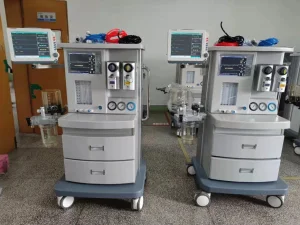
By coordinating with our strategic manufacturing partners, we help ensure that clinical facilities receive fully integrated systems. From anesthesia circuits to specialized central gas line connections, our components are built to perform reliably under demanding clinical schedules.
The healthcare industry is shifting toward digital integration, and medical gas delivery systems are evolving alongside it. Traditional mechanical gas outlets are increasingly giving way to smart terminal units. These advanced systems interface with a hospital's wider Building Management Systems (BMS) and IoT infrastructures to provide real-time performance feedback.
Next-generation medical gas outlets will incorporate micro-sensor arrays. These sensors monitor flow rates, pressure drops, and gas purity at the individual patient level, sending real-time telemetry back to clinical engineering desks.
Advanced valves minimize pressure losses during coupling and decoupling. Secondary isolation shut-off valves allow maintenance personnel to replace main seals without shutting down entire hospital pipeline zones.
Innovations in surface chemistry, including antimicrobial physical vapor deposition (PVD) finishes, protect terminal plates. These finishes resist harsh sanitizing chemicals, maintaining readable markings over years of service.
To assist healthcare engineers, facility managers, and international procurement agencies, we have compiled answers to common technical and sourcing questions.
Our medical gas outlets are designed with strict mechanical indexing. Each gas type (Oxygen, Vacuum, Nitrous Oxide, Medical Air) is manufactured with unique, non-interchangeable keying configurations based on standards like Ohmeda, Chemetron, DIN, or British Standards. This design prevents other gas probes from connecting to the incorrect outlet.
Every batch of terminal units undergoes comprehensive testing: a 100% helium leak test, pressure decay testing, and cross-connection verification. Mechanical seals are tested at 1.5 times their maximum rated operating pressure to ensure reliable performance during pressure spikes.
Yes. We supply outlets in wall-mount, bedhead-trunking, and ceiling-pendant configurations. The copper piping stubs (commonly 90-degree or straight configurations) can be customized during manufacturing to fit the installation parameters of MEP contractors.
Most of our products carry CE marking and ISO certificates. We provide complete technical documentation, including material safety sheets, compliance declarations, and testing reports, to support custom clearance and regulatory registration.
 Ryu Medical