Ryu Medical
Deep Dive into Nebulizer Kit Technology
When selecting a Nebulizer Kit Manufacturer, it is crucial to understand the technical specifications that differentiate a standard product from a life-saving medical device. Nebulization is the process of converting liquid medication into a fine mist (aerosol) that can be inhaled into the lungs. The efficiency of this process depends on the Mass Median Aerodynamic Diameter (MMAD) of the particles.
Types of Nebulization Systems
1. Jet (Compressor) Nebulizers: These are the workhorses of the industry. They use compressed air to create an aerosol. While traditionally louder, modern factory innovations have significantly reduced decibel levels while maintaining high pressure for deep lung penetration.
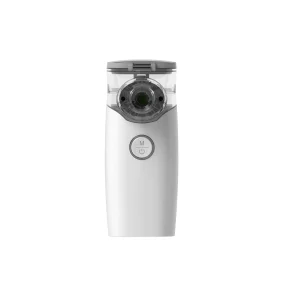
2. Ultrasonic Mesh Nebulizers: Representing the pinnacle of current technology, these devices use a vibrating mesh to push medication through microscopic holes. This results in an incredibly consistent particle size and near-silent operation.
The Strategic Importance of a China-Based Factory
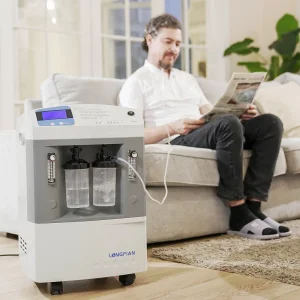
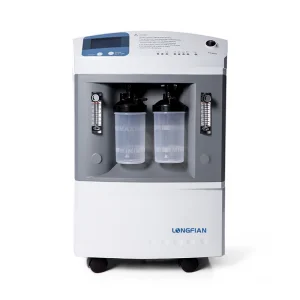
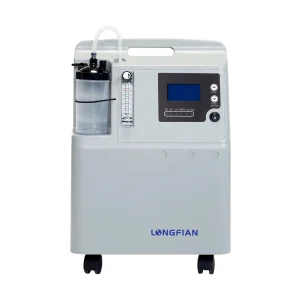
Procurement officers worldwide are increasingly turning to China, not just for cost-savings, but for supply chain resilience. Shanghai Ryu Medical leverages its proximity to the world’s largest shipping hubs to offer "Fast Delivery" (as seen in our 10L Oxygen Concentrator sales). Our ability to pivot production based on global health emergencies—such as the increased demand for respiratory therapy during the pandemic—demonstrates our reliability and industrial expertise.
Technical Advantage: Aerosol Consistency
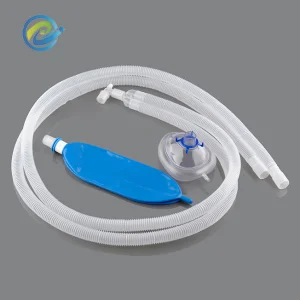
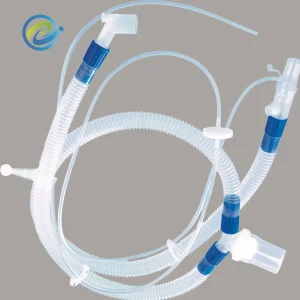
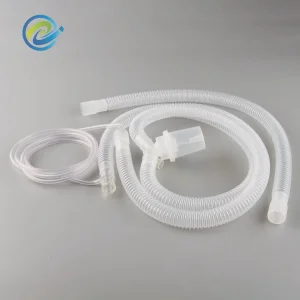
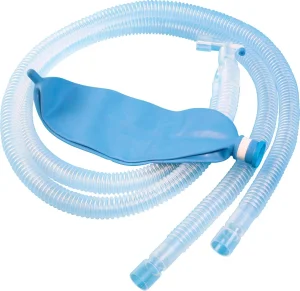
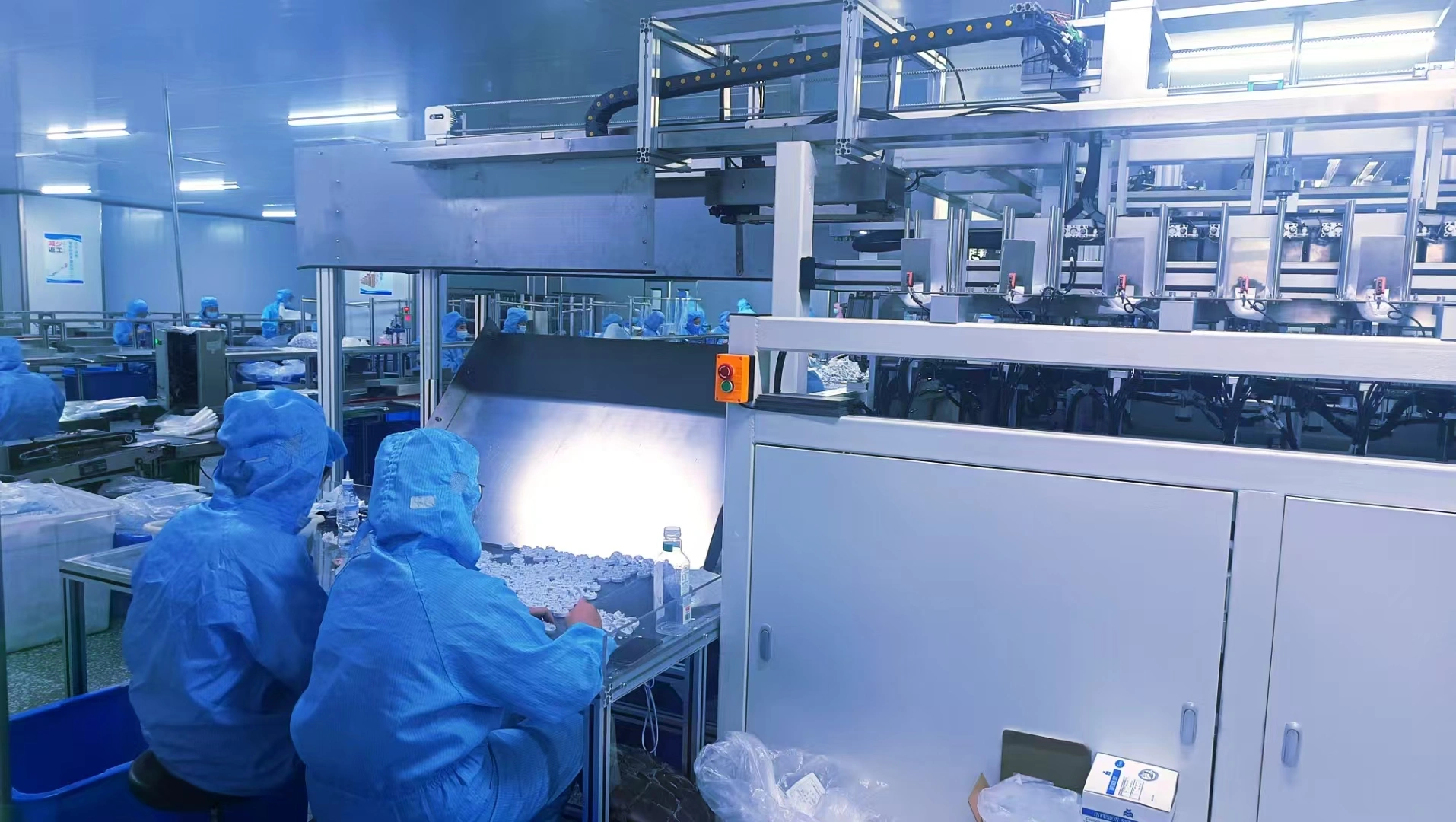
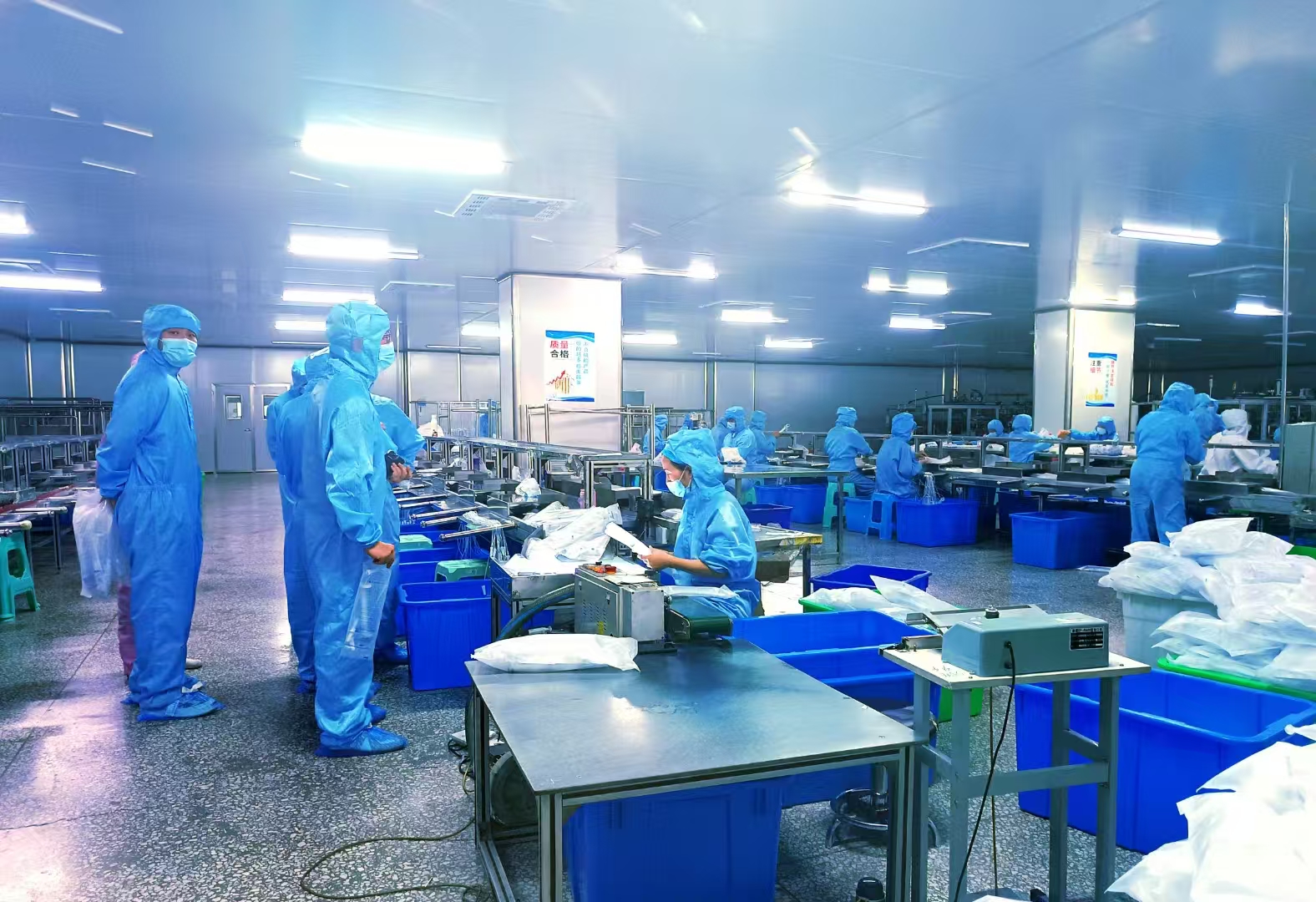
Our nebulizer kits are engineered to provide a stable atomization rate. In clinical settings, a fluctuating rate can lead to under-dosing or medication waste. By implementing rigorous QC checkpoints at our Jiangsu facility, we ensure that every mask, tube, and chamber in the kit maintains its structural integrity under varying pressures.
Future Outlook: Human-Centric Design
As we look to the future, Ryu Medical is committed to associating company development with human health. We believe that medical equipment should not just be functional but also "lovable and respectful" to the user. This means designing interfaces that are intuitive for children and lightweight for the elderly, ensuring that respiratory therapy is a seamless part of life, not a burden.