Medical Manufacturing Excellence
Global Quality Audited & Standardized
Strategic Clinical Infrastructure Partners
Dedicated QC Engineers per Line
In contemporary clinical therapies, the precise calibration and delivery of medical-grade gases represent the baseline parameters of patient safety. As the demand for acute respiratory care, anesthesia management, and neonatal resuscitation escalates globally, medical oxygen flowmeters have transitioned from simple mechanical indicators to sophisticated instruments engineered to mitigate risks associated with barotrauma, hypoxia, and cross-contamination.
As a leading force in clinical supply lines, Shanghai Ryu Medical Co., Ltd. analyzes the macro-level engineering challenges governing the medical gas control market. By integrating advanced Chinese manufacturing efficiencies with rigorous international compliance networks (CE and ISO certifications), this whitepaper outlines the criteria for global sourcing, materials engineering, and quality metrics that purchasing directors must verify to safeguard patient outcomes.
"Precision flowmetry is not merely about volume regulation—it is a critical fail-safe interface between high-pressure gas distribution infrastructure and vulnerable human respiratory pathways."
Healthcare procurement teams in Europe, the Americas, Africa, and Asia face distinct operational hurdles when sourcing oxygen flowmeters. The primary purchasing constraints center on regional gas connection compatibility (e.g., DIN/Germany standards, BS/British standards, DISS/American standards, and AFNOR/French standards). Additionally, global suppliers must balance cost efficiency with long-term durability.
When evaluating Oxygen Flowmeters suppliers in China, buyers must analyze more than just the unit price. They need to consider the supplier's vertical manufacturing integration, raw material validation (specifically, testing for oxygen-clean compatibility to prevent spontaneous ignition under high-pressure dynamics), and localized logistics pipelines. By locating manufacturing bases close to primary maritime hubs like the Shanghai port, premium suppliers minimize transit times and reduce exposure to supply-chain disruptions.
To achieve high levels of reliability (E-E-A-T), we focus on the specific engineering anatomy of medical flowmeters. The primary housing consists of a chrome-plated, solid brass or anodized aluminum body. Brass provides superior mechanical strength and compatibility with oxygen systems, minimizing the risk of oxidation and spark-induced combustion.
Constructed of shatterproof polycarbonate; offers high pressure resistance and clear graduation readings.
Stainless steel, ruby, or black glass micro-spheres calibrated to counter gravity dynamically.
Fine-thread control screw ensuring linear flow increments and preventing gas surges.
Polysulfone or autoclavable polymer reservoirs featuring integrated over-pressure relief valves.
Standard operating configurations typically use pressure-compensated designs. Unlike non-pressure-compensated alternatives, a pressure-compensated flowmeter places the control valve downstream of the flow tube. This ensures that backpressure from downstream equipment—such as humidifiers, nebulizers, or patient masks—does not affect the accuracy of the indicated flow. The float ball continues to accurately display the true volumetric flow rate of oxygen entering the patient's circuit.
Flowmeters cannot operate in isolation; they are components of a larger, integrated medical gas infrastructure. This infrastructure begins with cryogenic bulk oxygen systems or hospital pressure swing adsorption (PSA) oxygen concentrator plants. It extends through pipeline distribution networks and terminal wall outlets, and ends with patient interfaces.
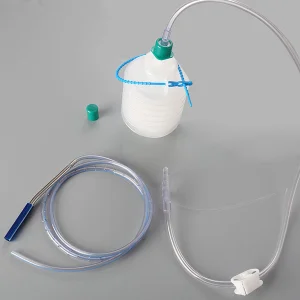
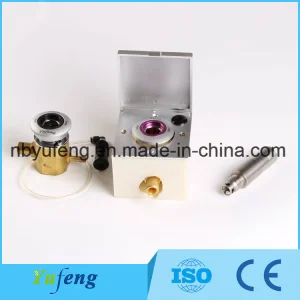
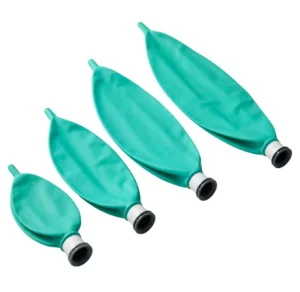
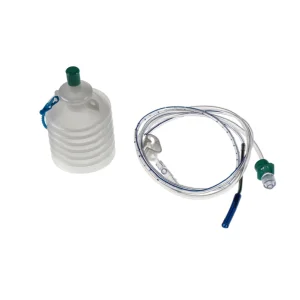
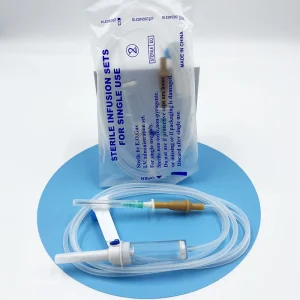
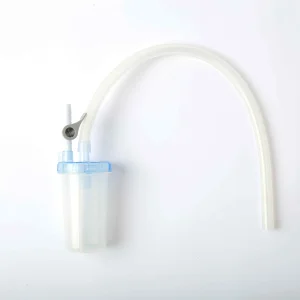
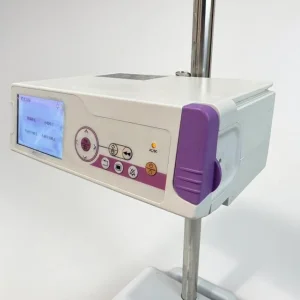
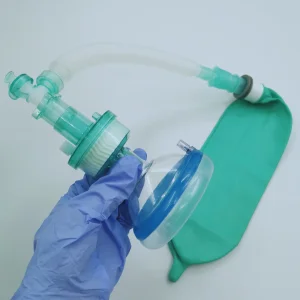
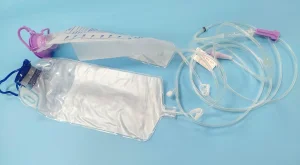
As a global partner, Ryu Medical collaborates with strategic manufacturing networks to provide integrated solutions. For example, our German Type Anesthesia Gas Scavenging System (AGSS) and medical gas terminal adapters ensure that flowmeters interface seamlessly with the hospital's central pipelines. By supplying complementary components, including disposable closed wound suction systems, anesthesia breathing circuits, and infusion pumps, we help clinical facilities maintain consistent system pressure, eliminate leakage, and streamline routine maintenance.
The medical gas device sector is moving toward digitalization and non-contact flow tracking. Traditional rotameter tubes, while highly reliable during power outages, are increasingly supplemented by electronic digital flow sensors. These electronic components utilize thermal mass flow or ultrasonic differential transit-time technologies.
These digital systems enable real-time telemetry, allowing nurses' stations to monitor individual patient gas consumption and detect pipeline leakage instantly. Furthermore, modern material science research focuses on integrating antimicrobial compounds directly into the polymer matrices of flow tubes and humidifier bottles. This reduces the risk of hospital-acquired infections (HAIs) from aerosolized pathogens.
Under the guidelines of the EU Medical Device Regulation (MDR) and the US FDA, medical gas regulators and flowmeters must meet strict risk-management and verification procedures. Every batch of oxygen flowmeters must undergo hydrostatic pressure testing, helium leak testing, and flow-accuracy calibration.
Shanghai Ryu Medical Co., Ltd. addresses these regulatory requirements through a structured quality control framework. Quality control (QC) teams are embedded directly across our production lines. They verify raw material traceability (ISO 13485) and audit pressure testing from cast raw components to post-assembly packaging. This ensures that every flowmeter delivered to clinical clients in Europe, Africa, Asia, and the Americas meets relevant safety and performance criteria.
Pressure-compensated flowmeters place the needle control valve downstream of the flow tube, keeping the tube pressure equivalent to the pipeline pressure. Consequently, downstream restrictions (e.g., nebulizers or tubing bends) do not affect the accuracy of the reading. Non-pressure-compensated models place the valve upstream, which can cause the float ball to display a lower flow rate than is actually delivered if backpressure occurs.
Under high pressure, pure oxygen accelerates combustion. If organic residues, greases, or incompatible polymers are present in the flow path, static discharge or adiabatic compression can cause spontaneous ignition. Premium manufacturers utilize specific oxygen-compatible lubricants and run clean-room assembly processes to eliminate contaminants.
The primary international standards include ISO 15002 (flow-metering devices for connection to terminal units of medical gas pipeline systems), EN 19054, and regional connector standards (such as CGA V-5 for DISS connections in North America and DIN 13260-2 in Germany).
Biomedical protocols generally require flowmeter verification at least once a year. If flowmeters are in high-use environments (e.g., emergency rooms, intensive care units), semi-annual checks using a reference digital flow analyzer are recommended to ensure precision tolerances are maintained.
Shanghai Ryu Medical Co., Ltd. is a specialized supplier of medical instruments and clinical gas control infrastructure based in China.
Our team brings over 10 years of experience in the medical field, supplying healthcare buyers in Europe, Africa, Asia, and the Americas.
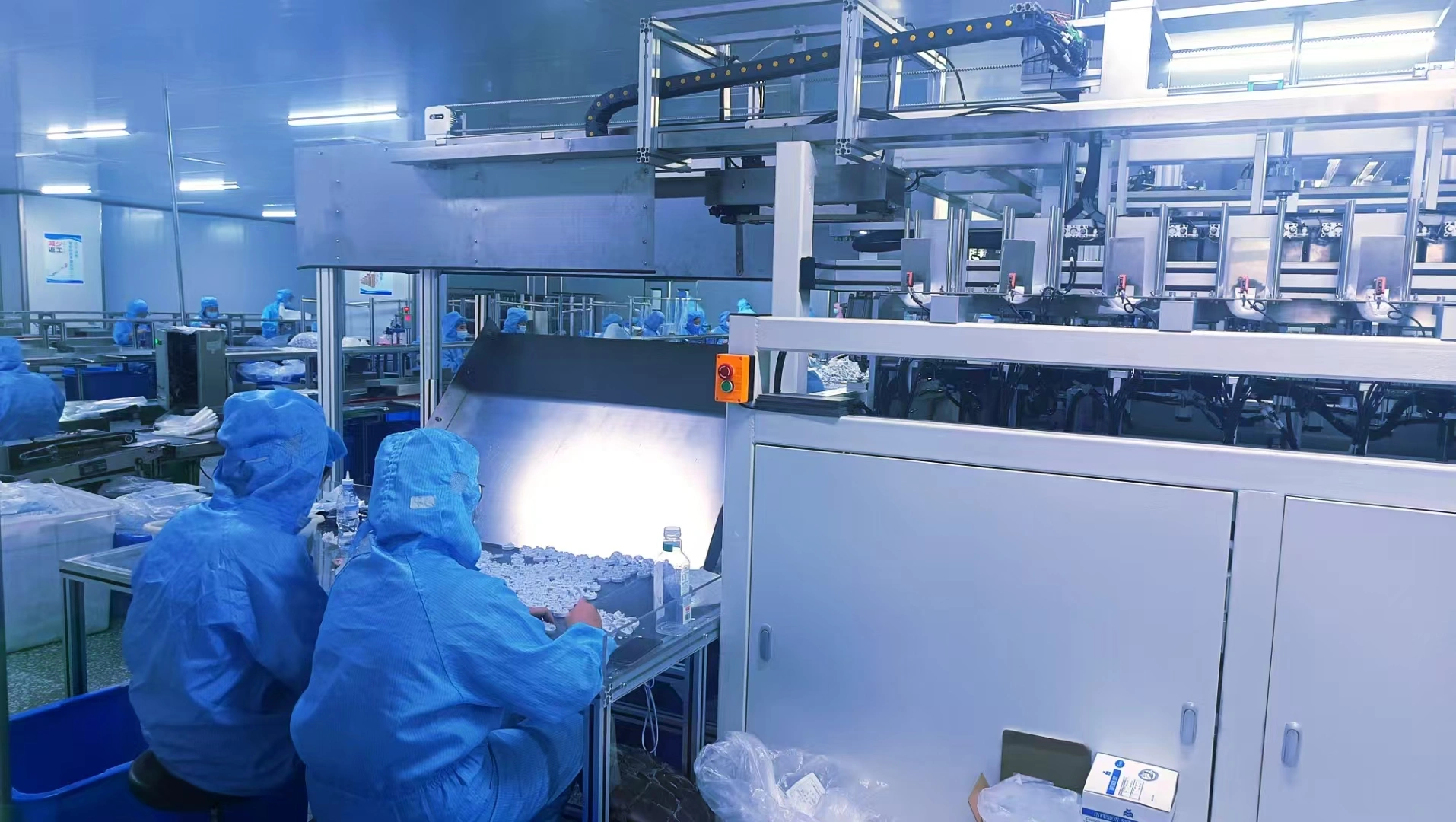
Our primary manufacturing facility is located in Jiangsu Province, near Shanghai Port. This location provides streamlined logistics access to major shipping lanes, ensuring prompt distribution of bulk orders.
To meet our customers' clinical needs, we maintain strategic partnerships with five specialized facilities. These partners produce complementary products, including urine drainage bags, surgical gowns, medical tubing, wound dressings, and laboratory diagnostic consumables.
Most of our products carry CE and ISO certifications. This documentation ensures they meet standard international clinical quality guidelines.
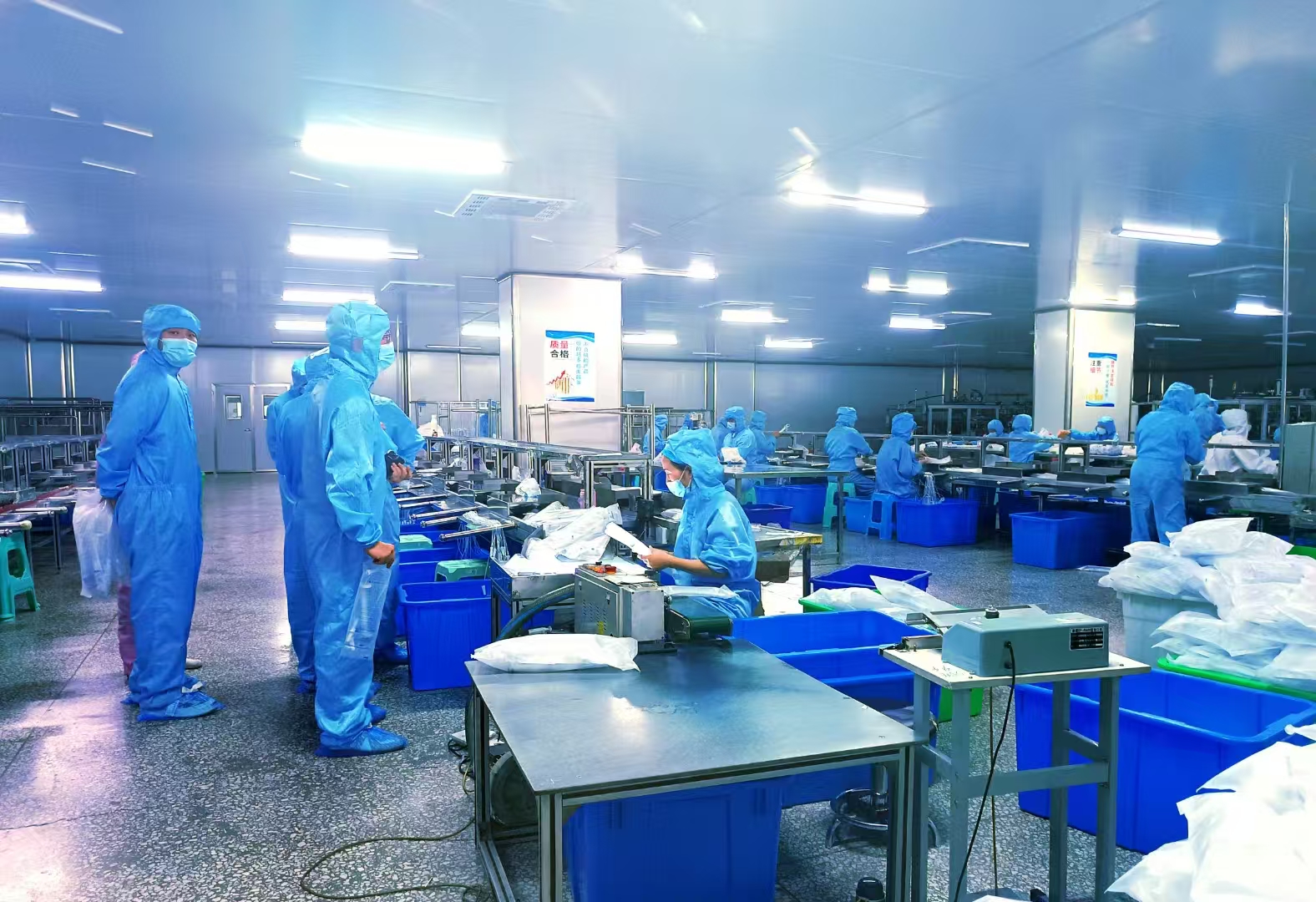
Our in-house QC team conducts regular testing across all stages of production. This process helps ensure that final deliveries meet specified performance standards.
"Looking ahead, Ryu Medical will continue to focus on providing efficient, professional service. We aim to align our corporate growth with global healthcare needs, working to deliver reliable clinical products to hospitals and healthcare providers worldwide."
 Ryu Medical