The global medical diagnostic sector relies fundamentally on the integrity of the pre-analytical phase. Specimen collection containers—ranging from vacuum blood collection tubes and sterile urine cups to specialized preservation vials for molecular diagnostics—serve as the critical primary barrier safeguarding the biological sample from external contamination, degradation, and leakages. In modern laboratory setups, any compromise in specimen containment directly translates to diagnostic inaccuracy, necessitating expensive recollections and compromising patient outcomes.
With the exponential rise in global diagnostic testing driven by an aging demographic, increased focus on early cancer detection, and the rapid expansion of point-of-care testing (POCT), the demand for high-quality, regulatory-compliant specimen collection systems has surged. Today, the global commercial market demands containers that are not only sterile and chemically inert but also physically resilient. High-grade medical plastics such as virgin Polypropylene (PP) and Polystyrene (PS) are standard, offering superior chemical resistance and high transparency to allow quick visual checks of fluid levels and turbidity.
Furthermore, integration with automated liquid handling systems and laboratory tracks requires precise standardized dimensions. The outer diameters, flange profiles, and cap materials of containers must meet international standards (such as CLSI guidelines) to prevent automation downtime. Consequently, top-tier diagnostic labs are steering away from generic options, preferring products manufactured by specialized facilities with advanced cleanroom protocols.
China has solidified its position as the global hub for medical-grade plastic injection molding and laboratory consumables production. The concentrated supply chain ecosystem in regions like Jiangsu province offers unparalleled cost-efficiency, rapid prototype turnaround times, and world-class raw material access. By utilizing advanced multi-cavity hot-runner molds, Chinese factories achieve extreme precision with minimal cycle times, producing millions of units daily while maintaining strict dimensional tolerances.
Key highlights of the Chinese manufacturing model include:
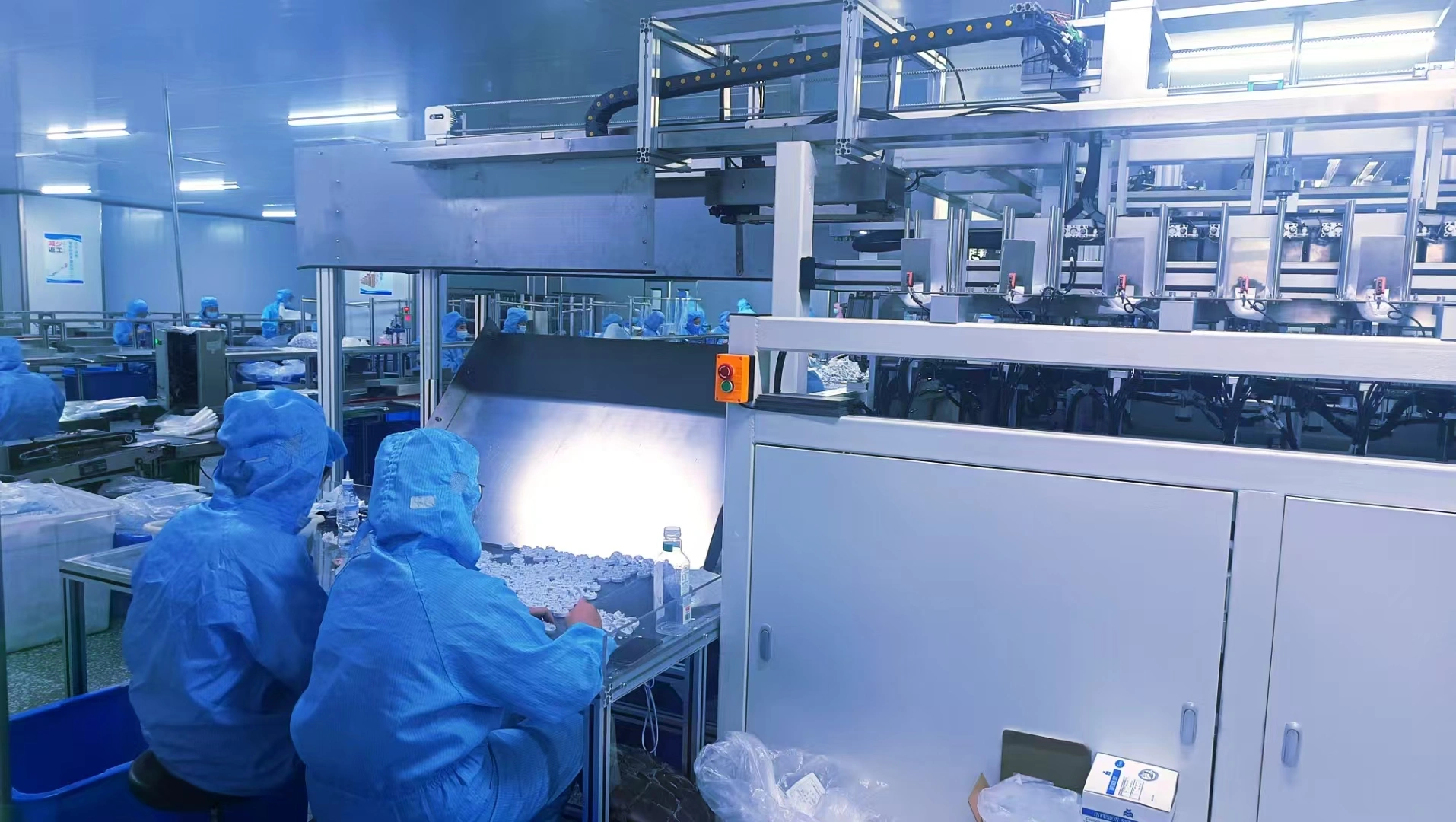
Shanghai Ryu Medical Co., Ltd. stands as one of the leading professional suppliers of medical instrument and lab diagnostic products in China. Backed by a core team with more than 10 years of intensive clinical and industrial experience in the medical field, we have successfully established a robust global footprint, exporting high-precision medical items to customers across Europe, Africa, Asia, and the Americas.
Our manufacturing facility is strategically located in Jiangsu Province, within comfortable proximity to Shanghai Port, facilitating fast and efficient logistics. At our primary site, we specialize in high-demand, high-regulation consumables including sterile syringes, infusion sets, medical-grade gloves, and face masks.
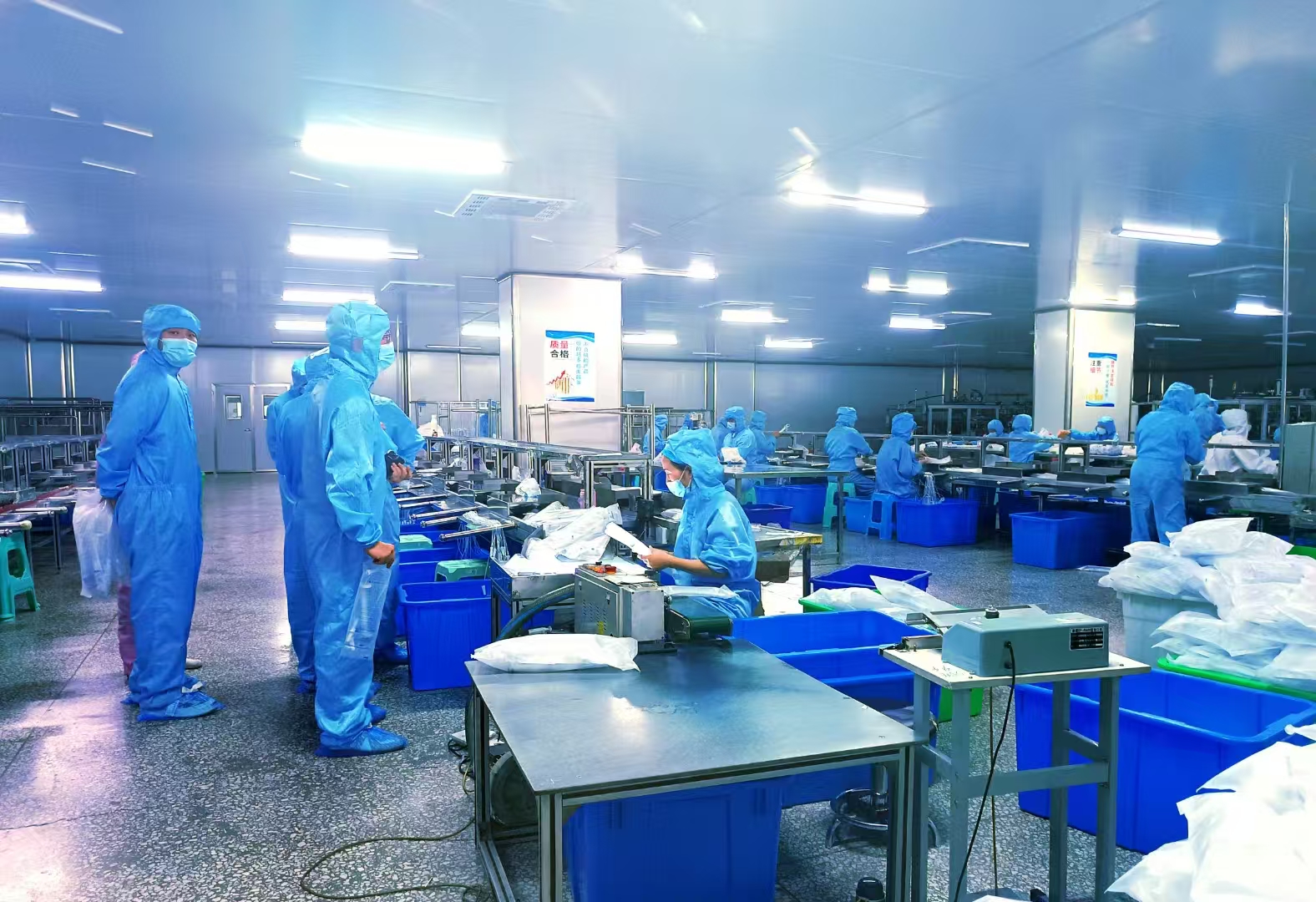
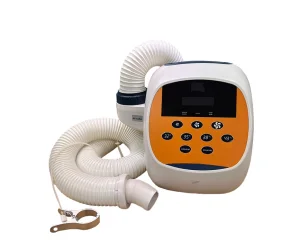
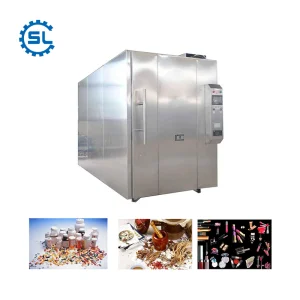
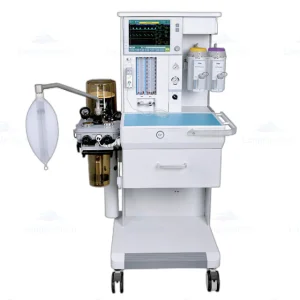
To dynamically fulfill the escalating requirements of our global customer base, we have curated a network of more than 5 strategic partner factories. These partner sites operate under our rigorous quality oversight and produce complementary high-demand products, including:
We care deeply about the commercial success of our clients. Recognizing that product quality directly correlates with patient safety and brand reputation, we have established a highly specialized Quality Control (QC) team. Our inspectors are permanently deployed directly on the active assembly and extrusion lines, conducting visual, dimensional, and sterile-barrier checks throughout the manufacturing process. The vast majority of our clinical range is officially approved with CE and ISO certifications.
When clinical sourcing managers look for specimen containers, they must look beyond unit price to evaluate variables that directly impact pre-analytical efficacy. Sourcing high-quality collection devices requires deep validation across several key criteria:
Specimen transport involves high physical stresses, cargo pressure changes during air travel, and manual handling. Containers must feature robust screw-cap or snap-lid geometries, preferably with integrated sealing rings or double-thread structures to prevent hazardous specimen leaks.
For microbial testing, container sterility is non-negotiable. Ethical manufacturers use either Ethylene Oxide (EO) gas sterilization or Gamma irradiation processes, validated through biological indicators, ensuring a Sterility Assurance Level of at least 10-6.
Molded-in or high-contrast printed graduation lines allow laboratory technicians to quickly assess fluid volume, which is critical for tests that require precise specimen-to-reagent ratios (such as urine output measurements or preservation media volume checks).
Additionally, the choice of materials plays a major role. Polystyrene (PS) containers provide glass-like clarity, making them optimal for optical checks but susceptible to cracking under impact. Conversely, Polypropylene (PP) provides outstanding structural integrity and chemical resistance, making it the material of choice for high-speed centrifugation, cryogenic storage, and general transport.
Specimen collection containers are deployed across a vast array of specialized healthcare environments. Understanding these localized demands allows procurement agents to align their container specifications with specific end-user requirements:
In hospital pathology units, specimen throughput is massive and fast-paced. Here, barcode compatibility and standardization are vital. Sourced containers must have flat surfaces suitable for the rapid adhesion of barcode thermal labels. Furthermore, the material must withstand pneumatic tube transport systems, where containers travel through vacuum tubes at high speeds, experiencing rapid acceleration and decelaration.
During disease outbreaks, the transportation of infectious viral or bacterial samples from remote locations to reference laboratories demands biohazard-safe containment. Specimen tubes are often paired with secondary containment systems, absorbent sheets, and insulated transport boxes. The primary container must survive internal pressures of 95 kPa without leakage, meeting the stringent IATA packaging instruction requirements for Category B biological substances.
Diagnostic procedures in veterinary clinics present distinct physical challenges. Specimens collected from pets, livestock, or zoo animals require durable, puncture-resistant collection containers. As animals cannot communicate symptoms, rapid diagnostics are critical, making contamination-free sampling crucial to avoid false negatives.
The medical diagnostic sector is undergoing a transformation driven by digitalization, automation, and environmental sustainability. Forward-looking manufacturers are shifting resources toward the development of smart containers integrated with Radio Frequency Identification (RFID) micro-chips or pre-assigned QR codes. This setup allows for real-time tracking of specimens from the moment of collection to final disposal, providing an unbroken chain of custody.
Moreover, the carbon footprint of medical plastics has come under intense scrutiny. R&D teams are exploring bio-compatible polymers derived from renewable resources that offer the same sterile and inert qualities as petroleum-based PP, but degrade faster in medical waste incinerators without producing toxic emissions. Sourcing agents who prioritize these green medical consumables stand to future-proof their supply chains against upcoming environmental regulations.
 Ryu Medical