Direct access to clinical-grade medical instruments certified for global healthcare systems, intensive care units, and anesthesiology divisions.

In critical care, emergency medicine, and surgical theaters, the integrity of airway management equipment translates directly to patient survival. This document provides a macro-level analysis of global manufacturers and exporters, technical material developments, and distribution logistics.
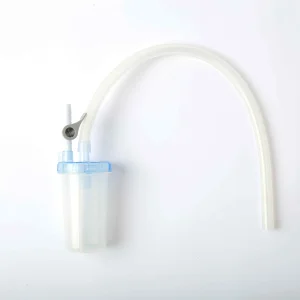
Ventilator circuits, nasopharyngeal channels, and reservoir systems must prevent aspiration, minimize dead space, and sustain mechanical parameters under continuous positive pressure ventilation (PPV).
Stringent export operations demand rigorous ISO 13485 certification, MDR (EU 2017/745) alignment, and FDA 510(k) clearances to guarantee biocompatibility, gas path cleanliness, and structural resilience.
Transitioning from conventional phthalate-plasticized PVC to medical-grade Liquid Silicone Rubber (LSR) and thermoplastic elastomers (TPE) to eliminate toxicological risks like DEHP exposure.
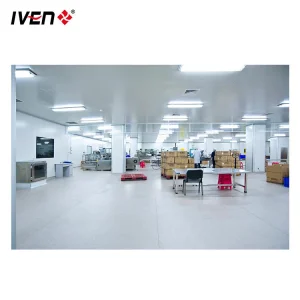
The global demand for airway management solutions is expanding, fueled by an aging population, rising rates of chronic respiratory diseases (such as COPD), and the modernization of emergency medical services (EMS). The market is transitioning toward single-use, disposable designs to prevent cross-contamination and nosocomial infections in ICU wards. Manufacturers located within major industrial clusters, such as Jiangsu, China, utilize advanced extrusion technologies and automated cleanrooms to produce high-volume supplies that meet international cost-efficiency metrics without compromising clinical outcomes.
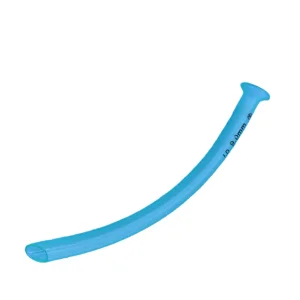
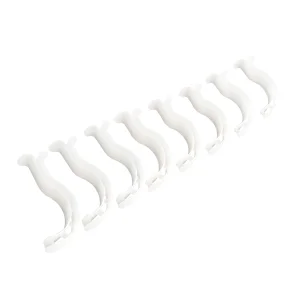
Furthermore, regional shifts in clinical guidelines emphasize the integration of pre-hospital airway devices. Nasopharyngeal airways (NPAs) and advanced Berman airways have become critical components of tactical medicine kits and emergency response bags. Export logistics hubs play a vital role, ensuring sterile barriers remain intact through ocean freight, temperature-controlled transit, and complex customs clearances.
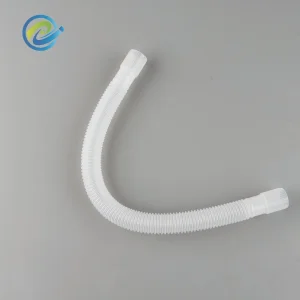
Breathing circuits form the physical link between the ventilator and the patient. Quality design requires low compliance (to ensure accurate tidal volume delivery) and low flow resistance. Smoothbore interior walls reduce turbulence and minimize water vapor condensation, which can lead to bacterial growth or ventilator-associated pneumonia (VAP). Standard medical systems employ co-axial configurations or heated-wire configurations to maintain optimal humidity and temperature profiles along the inspiratory path.
"Clinical parameters demand that breathing circuits exhibit absolute seal integrity under mechanical pressures exceeding 60 cm H2O, preventing micro-leakages of halogenated anesthetic agents and patient respiratory gases."
Airway devices sit in direct contact with vulnerable mucosal membranes. Modern regulatory landscapes, particularly the European Union's Medical Device Regulation (MDR), have implemented strict thresholds on endocrine-disrupting chemicals. As a result, the market is shifting toward:
Shanghai Ryu Medical Co., Ltd. is a leading professional supplier of medical instrument products in China. Backed by a team with over 10 years of clinical and manufacturing experience in the medical field, we export premium medical devices to clients throughout Europe, Africa, Asia, and the Americas.
Our primary manufacturing facility is located in Jiangsu Province, strategically situated near the Shanghai Port. This location provides access to robust logistics infrastructure, enabling efficient global shipping and distribution. At this facility, we produce essential medical supplies, including syringes, infusion sets, protective gloves, and face masks.
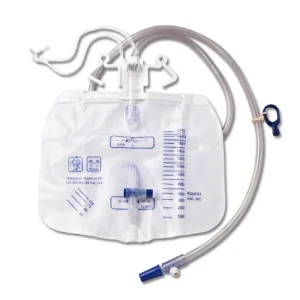
"To meet the growing needs of our customers, we work with over 5 strategic partner plants to supply urine bags, surgical gowns, medical tubes, wound dressings, syringes, diagnostics, and laboratory products."
Quality is central to our business success. We maintain a dedicated Quality Control (QC) team stationed across our manufacturing lines to inspect and control product quality at every stage of production. Reflecting this commitment to high standards, most of our products carry CE and ISO certifications.
Looking to the future, Ryu Medical remains committed to providing efficient, professional service to every client. We connect our corporate growth with global health initiatives, designing our products with care and respect to deliver reliable medical solutions worldwide.


As critical care environments become more interconnected, the devices used for airway management are evolving from passive conduits into smart, integrated systems.
1. Pre-Hospital Emergency Response: Soft, atraumatic nasopharyngeal airways (NPAs) allow rapid deployment by first responders in challenging environments. Built-in depth indicators and secure flanged ends help prevent insertion errors.
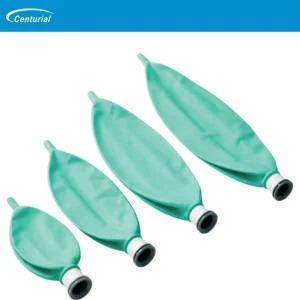
2. Standard ICU Mechanical Ventilation: Disposable breathing circuits are designed to connect with modern ventilators, providing stable flow dynamics and reliable moisture control for long-term respiratory support.
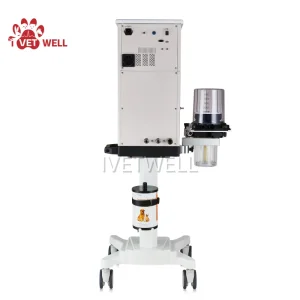
3. Veterinary Anesthesia Delivery: Modified anatomical pathways require customized veterinary anesthesia systems. These configurations ensure consistent delivery of anesthetic gases while protecting the safety of animal patients.
Addressing key procurement, material science, and regulatory compliance questions for medical device distributors and hospital procurement officers.
Explore our secondary line of diagnostics, specialized medical tubes, surgical ventilation parts, and critical support infrastructure.
 Ryu Medical