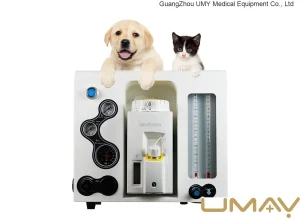
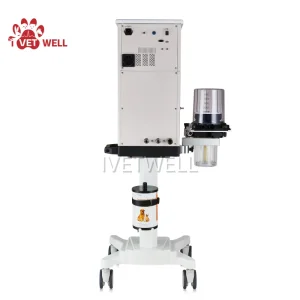
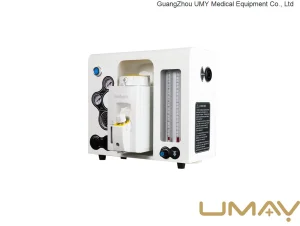
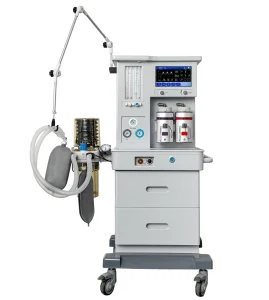
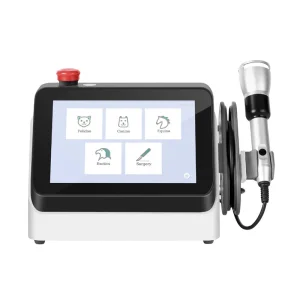
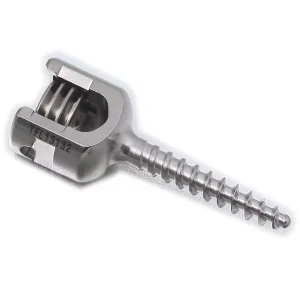
Engineered to operate flawlessly under the challenging marine climates and remote logistics profiles of the Pacific region.
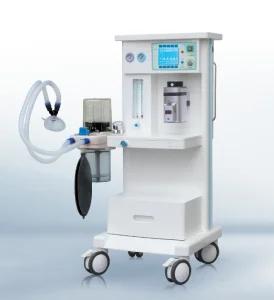
A localized industrial and clinical analysis of medical device operations within the central Pacific Ocean.
Operating complex medical devices like anesthesia delivery systems in Kiribati requires a deep understanding of local environmental and logistical frameworks. Kiribati, comprising 32 atolls and one raised coral island, is subject to extreme marine environments. High humidity levels, combined with elevated atmospheric salinity, accelerate the oxidation of delicate circuit boards and pneumatic components. Standard anesthetic machinery designed for climate-controlled European or North American facilities frequently faces premature electrical drift and mechanical failure in this region.
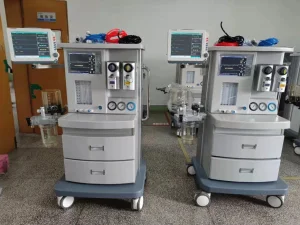
Moreover, local clinical hubs—principally Tungaru Central Hospital (TCH) in South Tarawa and health centers across the Line and Phoenix groups—deal with erratic power grids. Sudden voltage drops and spikes pose severe risks to computerized anesthetic systems. Our design architecture addresses this vulnerability by incorporating long-battery backups, robust analog overrides, and tropicalized internal coatings to resist salt-water corrosion.
We implement a strict tropicalized hardware protocol for all anesthesia machines shipped to Kiribati. This includes conformal coating on all printed circuit boards (PCBs), gold-plated corrosion-resistant pneumatic fittings, and low-power solenoid valves that tolerate fluctuations from 90V to 260V without system interruption.
Globally, anesthesia workstations are shifting toward fully integrated, electronically controlled, closed-loop gas delivery systems that require active maintenance and continuous supply lines of specialized consumables. In isolated regions like Kiribati, however, this model faces severe logistical obstacles. Lead times for medical consumables and repair technicians can span several weeks or months.
By operating as both a specialized manufacturer and strategic supply chain partner, Shanghai Ryu Medical Co., Ltd. bridges this gap. Our factory in Jiangsu province, strategically situated close to the Shanghai port, ensures direct sea-freight routes to Tarawa and other Pacific ports. Rather than delivering overly complex, proprietary devices that fail without expensive manufacturer support, we focus on reliable, CE-certified systems featuring standard universal ports and simplified, modular assemblies that local biomedical technicians can maintain with ease.
The clinical requirements within the Gilbert, Line, and Phoenix Islands vary widely. Our product planning focuses on addressing these distinct scenarios:
Industrial-grade quality controls certified for global safety and performance standards.
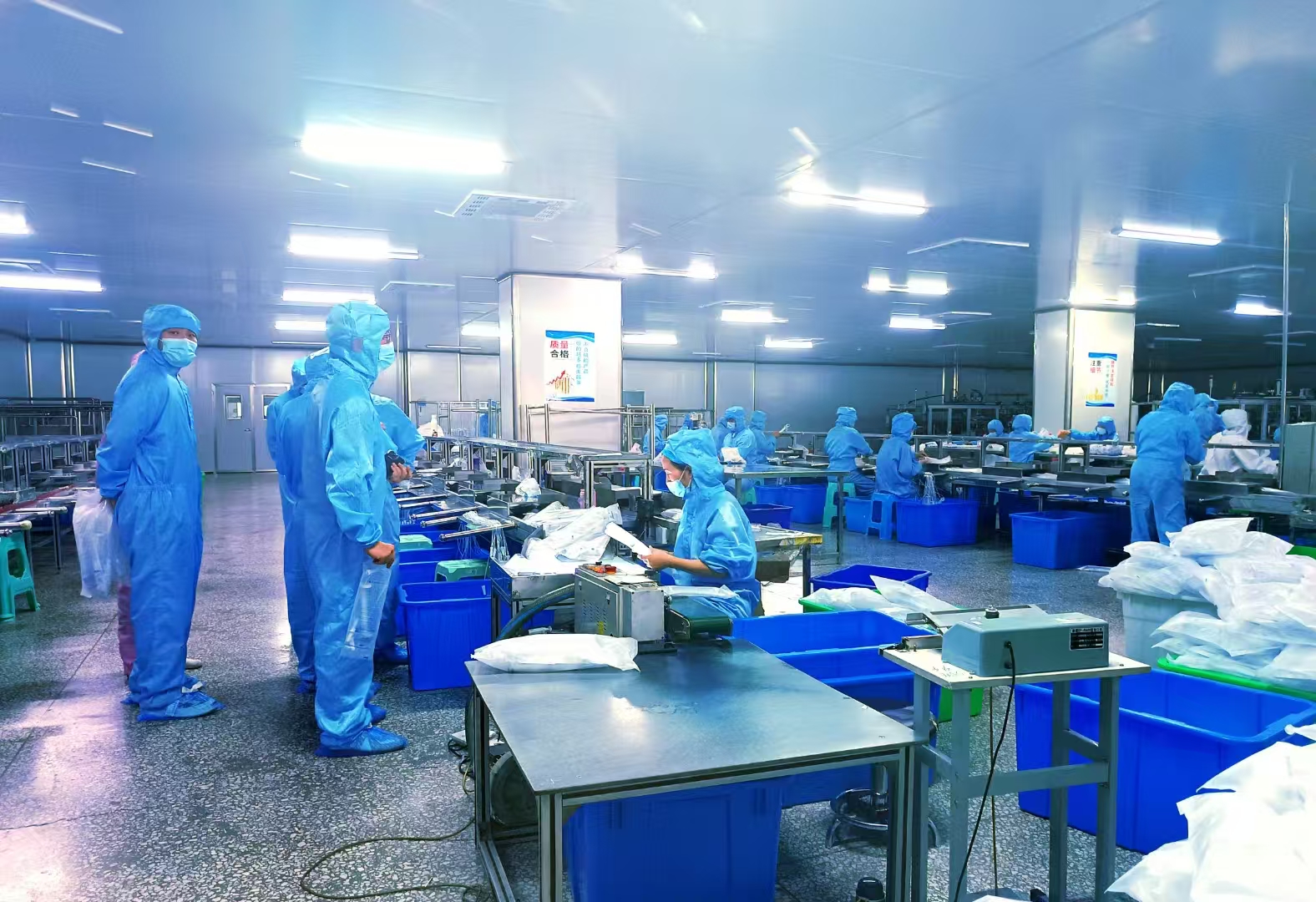
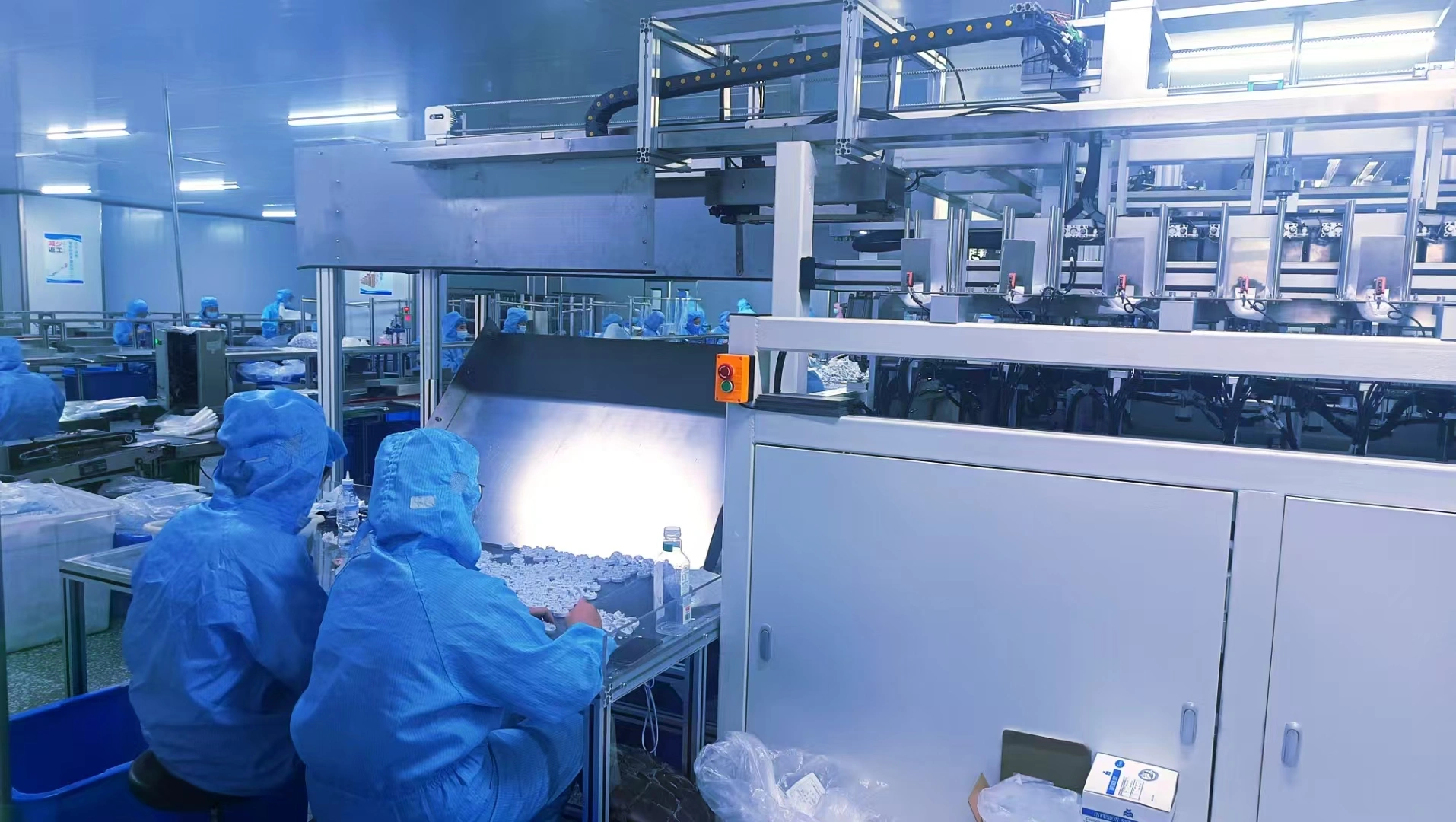
For medical devices shipped to Oceania, safety certifications are non-negotiable. Shanghai Ryu Medical Co., Ltd. ensures that the vast majority of our anesthesia delivery systems, breathing circuits, and accessory components are fully compliant with CE and ISO 13485 standards. Our dedicated Quality Control (QC) team is stationed directly on the production lines in Jiangsu to oversee raw material intake, pneumatic seal testing, vaporizer calibration, and final software compliance tests before shipping.
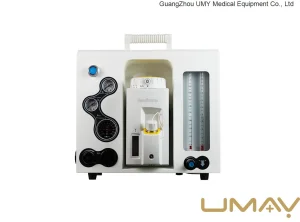
Our manufacturing workflow is designed around traceability and absolute reliability. By using robust mechanical hypoxic guards, redundant oxygen sensors, and visual mechanical flowmeters, our systems prevent delivery of hypoxic gas mixtures, even in the event of an electrical failure. This mechanical fail-safe is crucial for ensuring patient safety in remote Pacific islands where technician response times can be unpredictable.
We work closely with local ministries of health and procurement agencies to manage documentation, import clearance, and compliance certificates for Kiribati, Fiji, Samoa, and neighboring nations.
As medical technology evolves, our engineering roadmap for remote-access regions emphasizes three main trends:
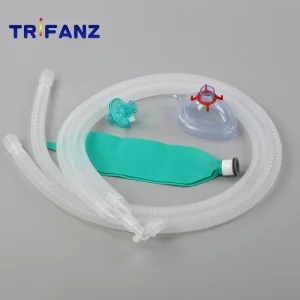
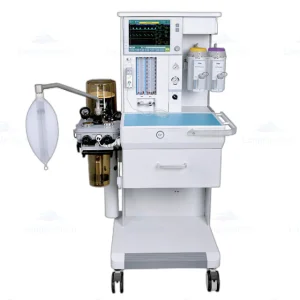
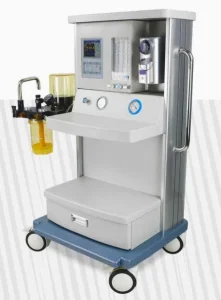
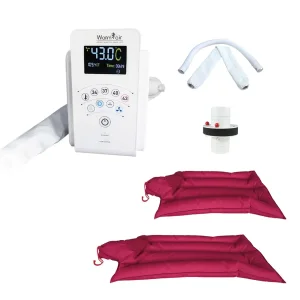
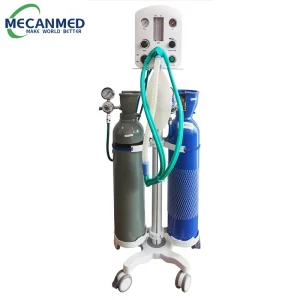
Anesthesia systems, breathing circuits, patient warming units, and supporting clinical components for Kiribati.
Extending surgical support through target sedation therapy, patient warming, and orthopedic solutions.
Shanghai Ryu Medical Co., Ltd. is a leading professional supplier of medical instruments in China. Our team brings more than 10 years of experience to the medical field, supplying high-quality products to healthcare providers across Europe, Africa, Asia, and the Americas.
Our main manufacturing facility is located in Jiangsu Province, within easy reach of the Shanghai port. This logistical advantage allows us to efficiently manage shipments of critical medical consumables—including syringes, infusion sets, medical gloves, and face masks—to destinations worldwide.
To support the expanding needs of our clients, we have established strategic partnerships with 5 selected factories. This allows us to supply a comprehensive range of medical products, including urine bags, surgical gowns, medical tubes, wound dressings, and laboratory diagnostics.
We are dedicated to helping our customers succeed. Understanding that product quality is critical in clinical settings, our QC team is active across all production lines to monitor and control standards. The majority of our products are certified to CE and ISO standards, ensuring reliable performance in any hospital environment.
Common inquiries from clinical procurement managers, hospital bio-engineers, and distributors in the Pacific region.
Our main factory is based in Jiangsu, near the Shanghai port. Typical transit times to Tarawa, Kiribati, range from 4 to 6 weeks, depending on connection schedules in regional transit hubs like Fiji or Australia. We provide complete documentation to ensure smooth import clearance through the Ministry of Health and Medical Services.
All anesthesia machines exported to the Pacific islands undergo tropicalization. This process includes coating circuit boards to prevent salt-air corrosion, using high-grade stainless steel and brass fittings for pneumatic lines, and employing mechanical backup systems that remain operational even in high-humidity conditions.
We supply detailed service manuals, schematics, and video tutorials for local bio-engineers. We also offer online technical consultations. The components in our workstations are modular, allowing local teams to complete most repairs by swapping out standardized parts, reducing machine downtime.
Yes. Our systems feature built-in backup batteries that support critical mechanical ventilation and monitoring systems for up to 120 minutes during power outages. Additionally, the manual pneumatic mode allows anesthesia delivery to continue safely without electrical power.
Our anesthesia systems support Selectatec-compatible vaporizers for Sevoflurane, Isoflurane, and Halothane. These vaporizers feature automatic temperature, flow, and pressure compensation, ensuring consistent delivery under changing operating room conditions.
Whether equipping a regional hospital in South Tarawa or setting up emergency medical capabilities on an outer island, our team is ready to assist with procurement, shipping logistics, and compliance support.
Send Inquiry Now Ryu Medical