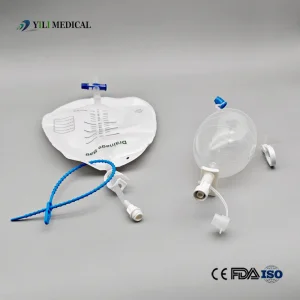
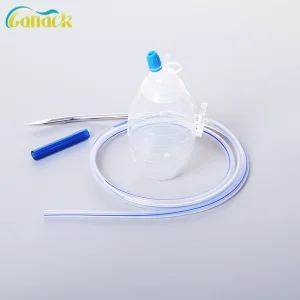
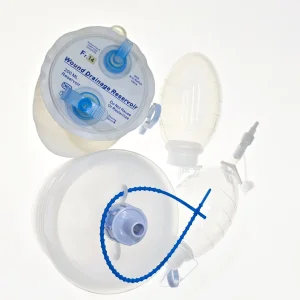
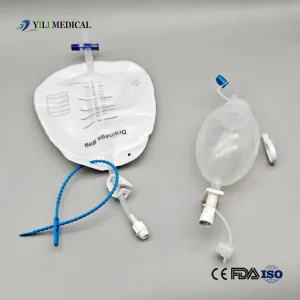
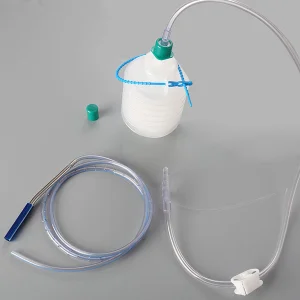
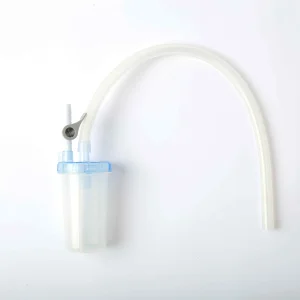
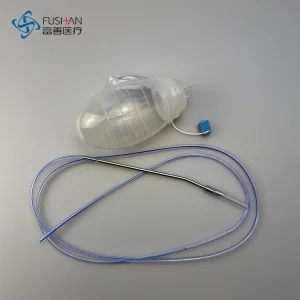
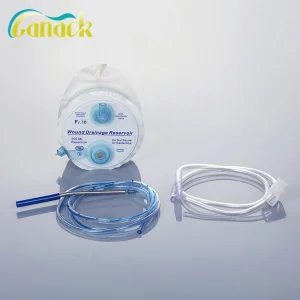
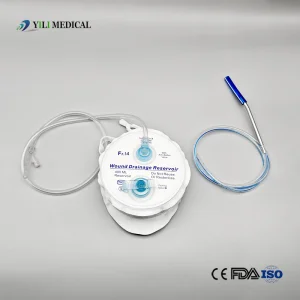
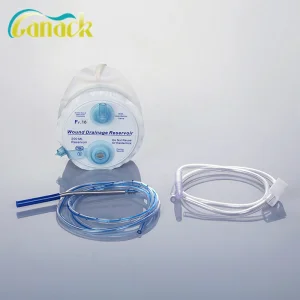
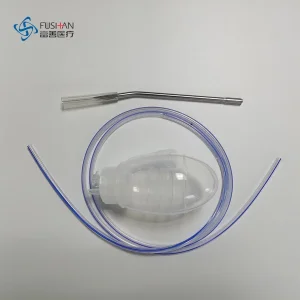
Engineered for precise fluid evacuation, minimized retrograde infection risk, and enhanced patient mobility in clinical settings.
As the medical landscape in the Rajshahi Division (Bangladesh) undergoes a rapid transition—anchored by the continuous upgrades at Rajshahi Medical College Hospital (RMCH) and the emergence of private specialized clinics—the demand for high-performance post-operative care solutions has surged. Post-operative wound management, particularly the prevention of surgical site infections (SSIs), hematomas, and seromas, remains a critical clinical priority.
This technical whitepaper details the implementation of sterile closed wound drainage tube systems in local clinical protocols. Specifically designed to handle thoracic, abdominal, orthopedic, and pediatric surgeries, these systems leverage 100% medical-grade silicone to reduce patient discomfort, accelerate healing, and minimize hospital stay durations.
Healthcare settings in Rajshahi face specific environmental and operational variables. High relative humidity and temperature profiles in the Bengal basin increase the susceptibility of post-operative wounds to microbial colonization if excess fluids are not evacuated efficiently.
Furthermore, local clinical departments require medical hardware that achieves a precise balance between advanced biocompatibility and economic sustainability. Closed wound drainage systems—equipped with silicone reservoirs (Jackson-Pratt type, Blake design) and negative pressure mechanisms—are replacing older open-drain models because they offer a closed system path, effectively isolating the wound cavity from external environmental pathogens.
Why modern clinical procedures demand 100% biocompatible elastomers for internal drainage.
Unlike PVC, which contains plasticizers that can leach into bodily tissues, medical-grade silicone is inert. It reduces local tissue reactions, cell necrosis, and inflammatory responses at the insertion site.
Silicone's hydrophobic and ultra-smooth surface minimizes clot formation inside the tube lumen. When removing the tube, it detaches from surrounding tissue structures with minimal trauma, reducing patient pain.
Silicone tubes possess excellent elasticity, meaning they maintain cross-sectional integrity even when bent around complex anatomical structures, ensuring uncompromised drainage pathways.
| Feature / Property | 100% Medical-Grade Silicone Systems | Standard Medical PVC Systems | Clinical Impact for Rajshahi Importers |
|---|---|---|---|
| Flexibility & Kinking | Extremely high elasticity; zero memory loops | Rigid; prone to kinking under pressure | Prevents occlusion, eliminating surgical re-intervention |
| Tissue Adhesion | Minimal; non-adherent surface chemistry | Moderate to High; can stick to tissue beds | Significantly less pain during post-op drain withdrawal |
| Biocompatibility (Leachables) | Inert, containing no phthalates (DEHP-free) | May contain plasticizers to increase flexibility | Complies with strict European CE and ISO clinical guidelines |
| Clot Formulation Risk | Very low due to smooth inner wall flow characteristics | Moderate; requires frequent manual "milking" of tube | Reduces workloads for understaffed ward nursing teams |
How Shanghai Ryu Medical Co., Ltd. ensures continuous, quality-controlled medical supply lines to South Asia.
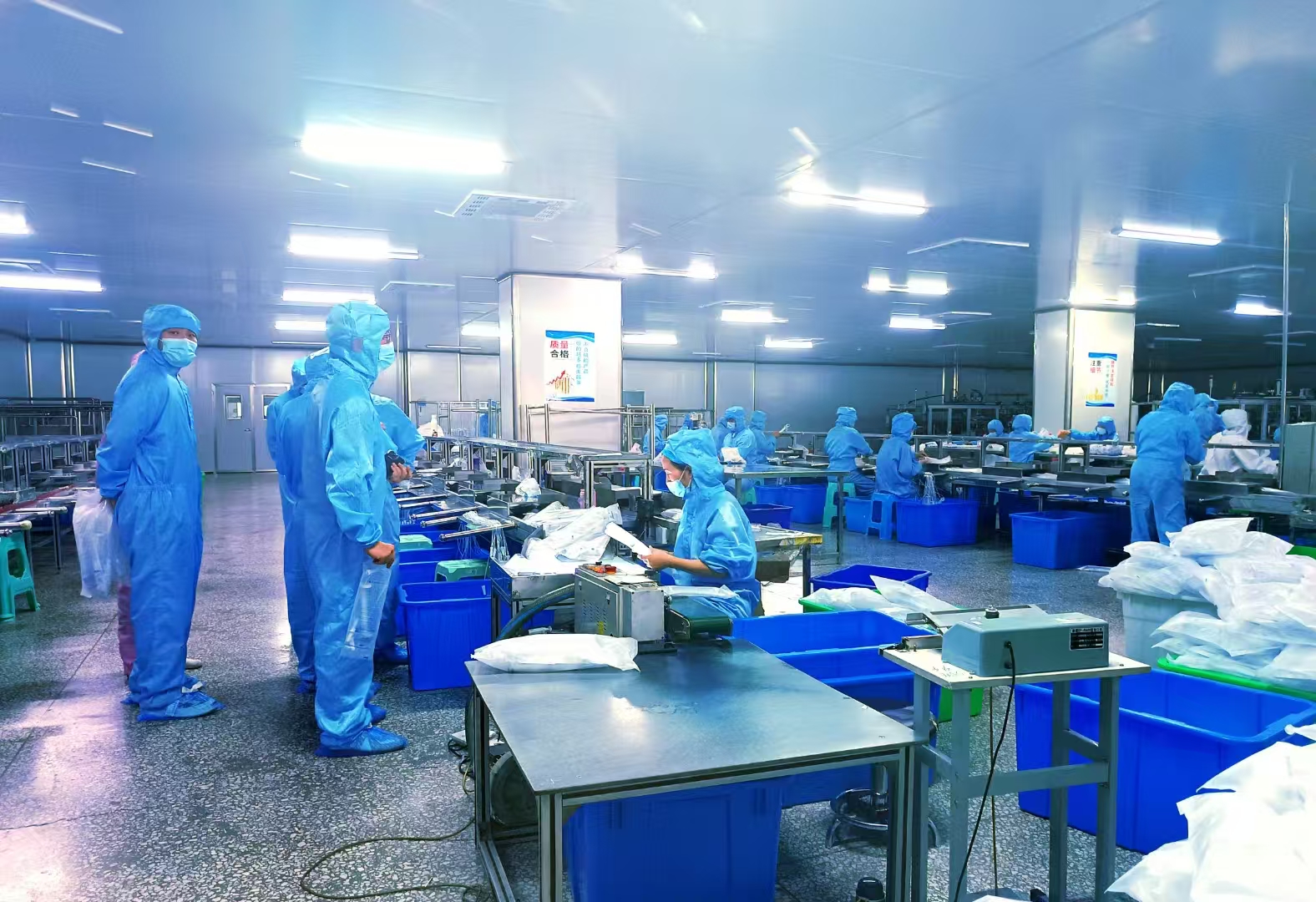
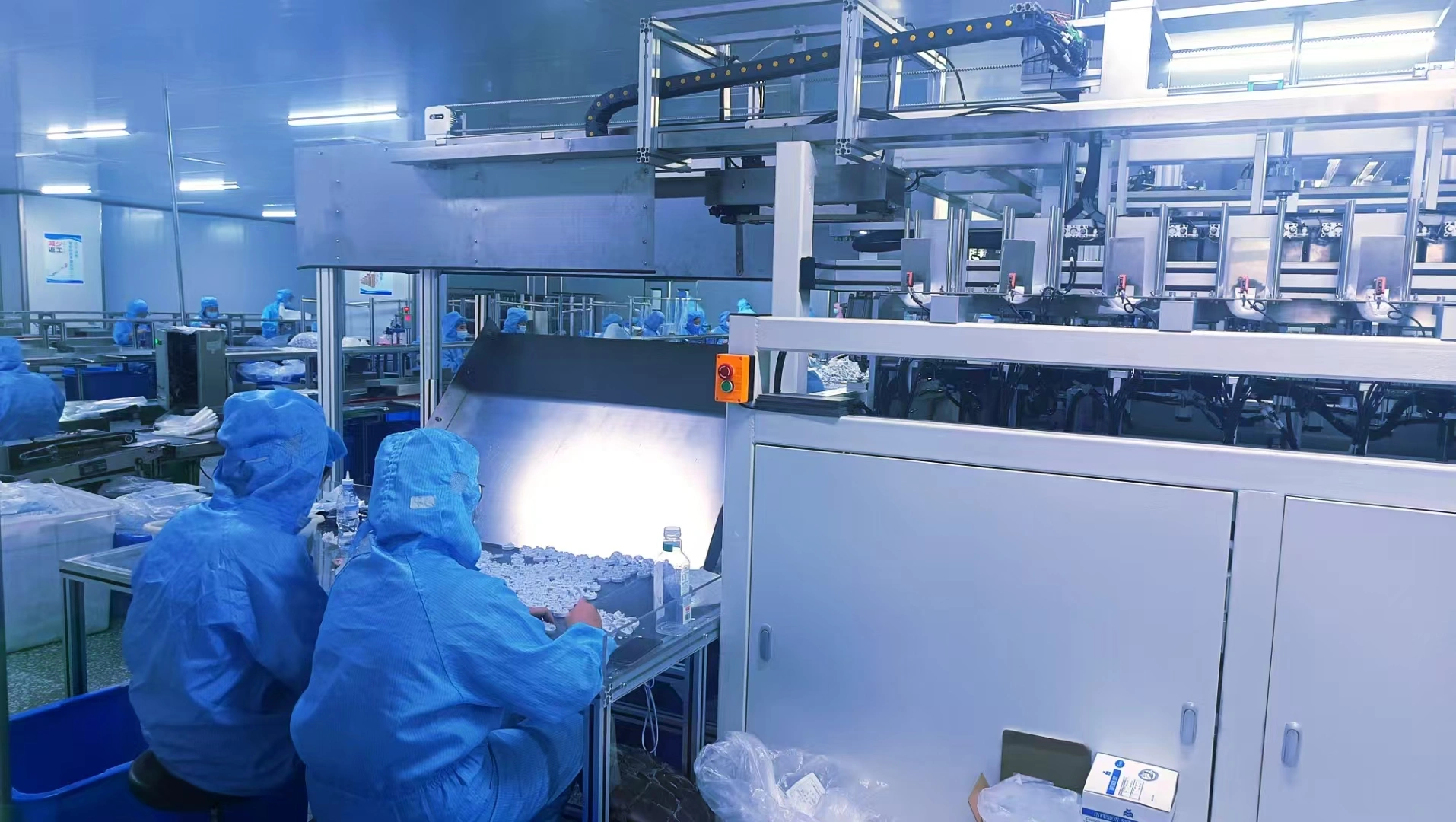
Shanghai Ryu Medical Co., Ltd. runs its primary production facility in Jiangsu Province, strategically positioned near the Shanghai Port. This logistical placement reduces inland transport delays and guarantees rapid dispatch to major global maritime routes connecting to Chittagong Port and Mongla Port in Bangladesh.
With over 10 years of export experience, our team coordinates both in-house production and strategic partner operations. Our facility manufactures syringes, infusion sets, gloves, and face masks. Additionally, we work with five dedicated strategic partners to provide custom assembly kits including urine bags, surgical gowns, wound dressing components, and custom silicone medical tubes.
This hybrid structure gives importers in Rajshahi a consolidated procurement experience, lowering shipping costs and streamlining custom clearances.
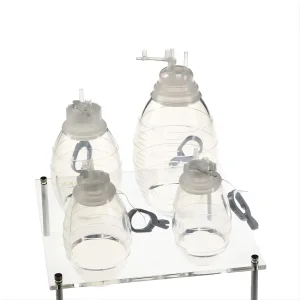
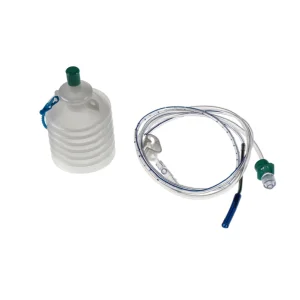
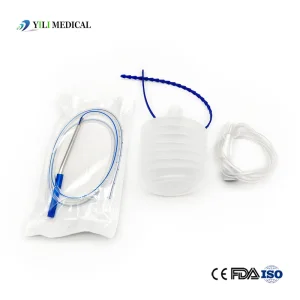
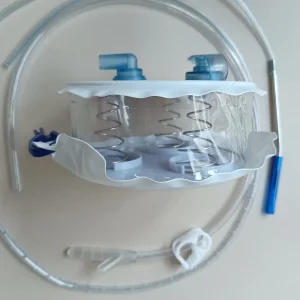
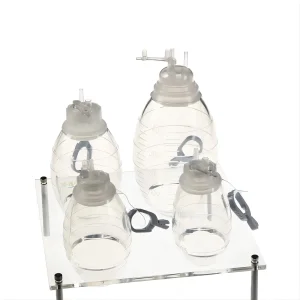
Browse our selection of active and passive systems, featuring high-strength trocars, sterile reservoirs, and flexible conduits.
How current material R&D is transforming wound care drainage systems globally.
Medical device engineering is shifting from passive fluid evacuation to active prevention of bacterial colonization. Emerging research indicates that coating silicone tubes with silver nanoparticles or chlorhexidine can significantly reduce biofilm formation.
This technology is especially beneficial for high-risk clinical wards, preventing retrograde bacterial migration through the tube lumen.
The next generation of closed wound drainage systems incorporates integrated bio-sensors within the reservoir cap. These sensors measure real-time flow rate, pH changes, and inflammatory markers in the exudate. Sudden shifts in pH levels, for instance, can alert surgeons to early-stage deep cavity infections or anastomotic leaks hours before clinical symptoms present.
Importing medical instruments to Bangladesh requires compliance with the Directorate General of Drug Administration (DGDA). Shanghai Ryu Medical supports local distributors in Rajshahi with the documentation required for smooth clearance.
We provide complete certification dossiers including Certificate of Free Sale (CFS), CE Certification, ISO 13485 Compliance Certificates, and Detailed Material Safety Data Sheets (MSDS).
Additionally, our logistics department optimizes packaging configurations to maintain sterile barrier integrity during long maritime voyages, humid port storage, and inland transport to northern districts.
Answering common inquiries from clinical procurement managers, bio-medical engineers, and distributors in Rajshahi.
 Ryu Medical