Bulk Gas Distribution System/Gas Mixture Density Calculator/Gas Mixer

Still deciding? Get samples of $ !
Order Sample

Product Description

Basic Information
Model NO. 8200L-200
Mathematical Model Non-Linear
Signal Continuous
Function Automatic Control, Monitoring, Measurement
Certification ISO: 9001, CE
Condition New
Customized Customized
Material Carbon Steel
Color Blue
OEM/ODM Yes
Origin China
HS Code 9026800000
Production Capacity 500 pieces/Year
Packaging & Delivery
Package Size 85.00cm * 95.00cm * 175.00cm
Package Gross Weight 240.000kg
Transport Package Standard Export Packing
Product Description

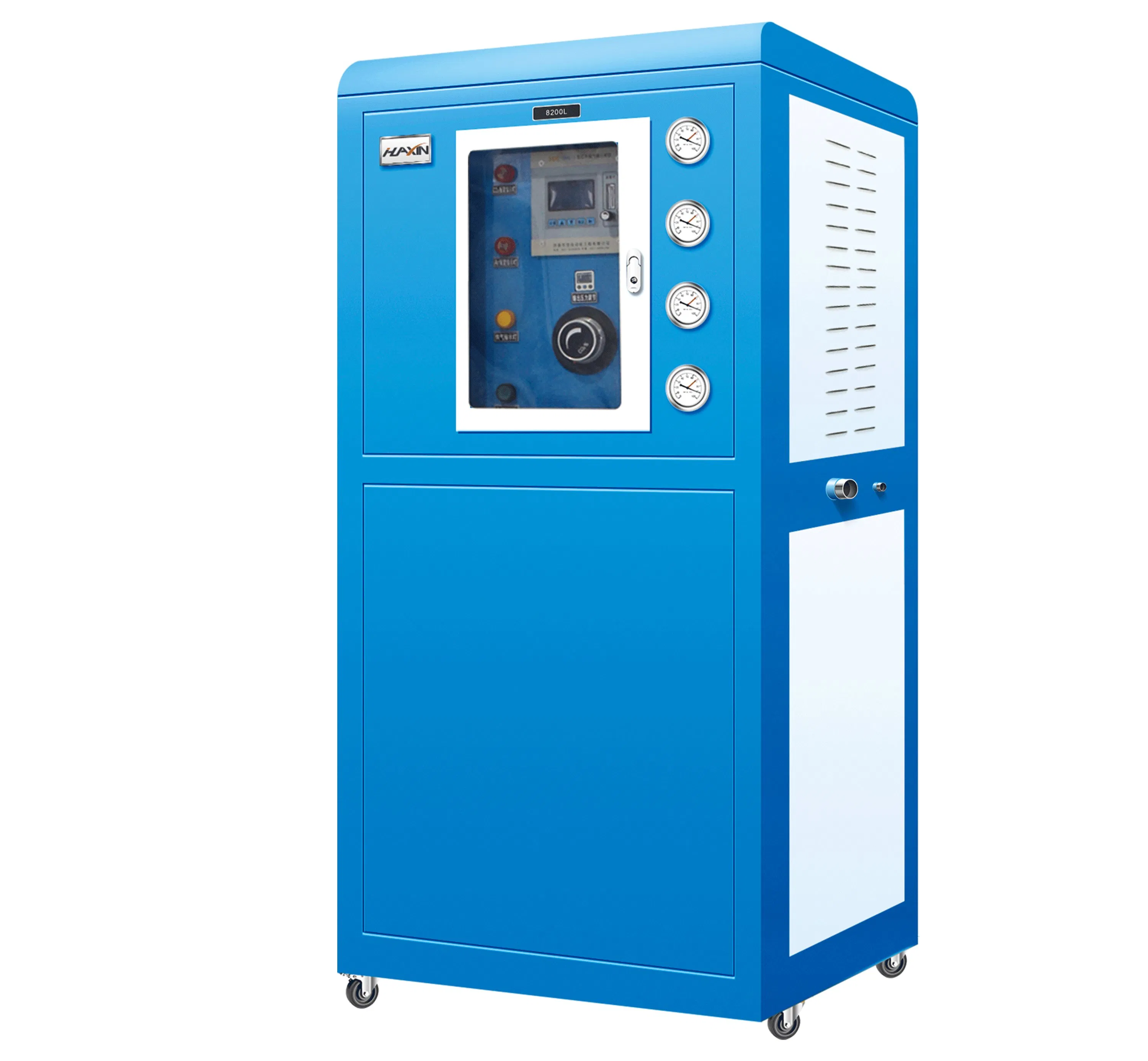
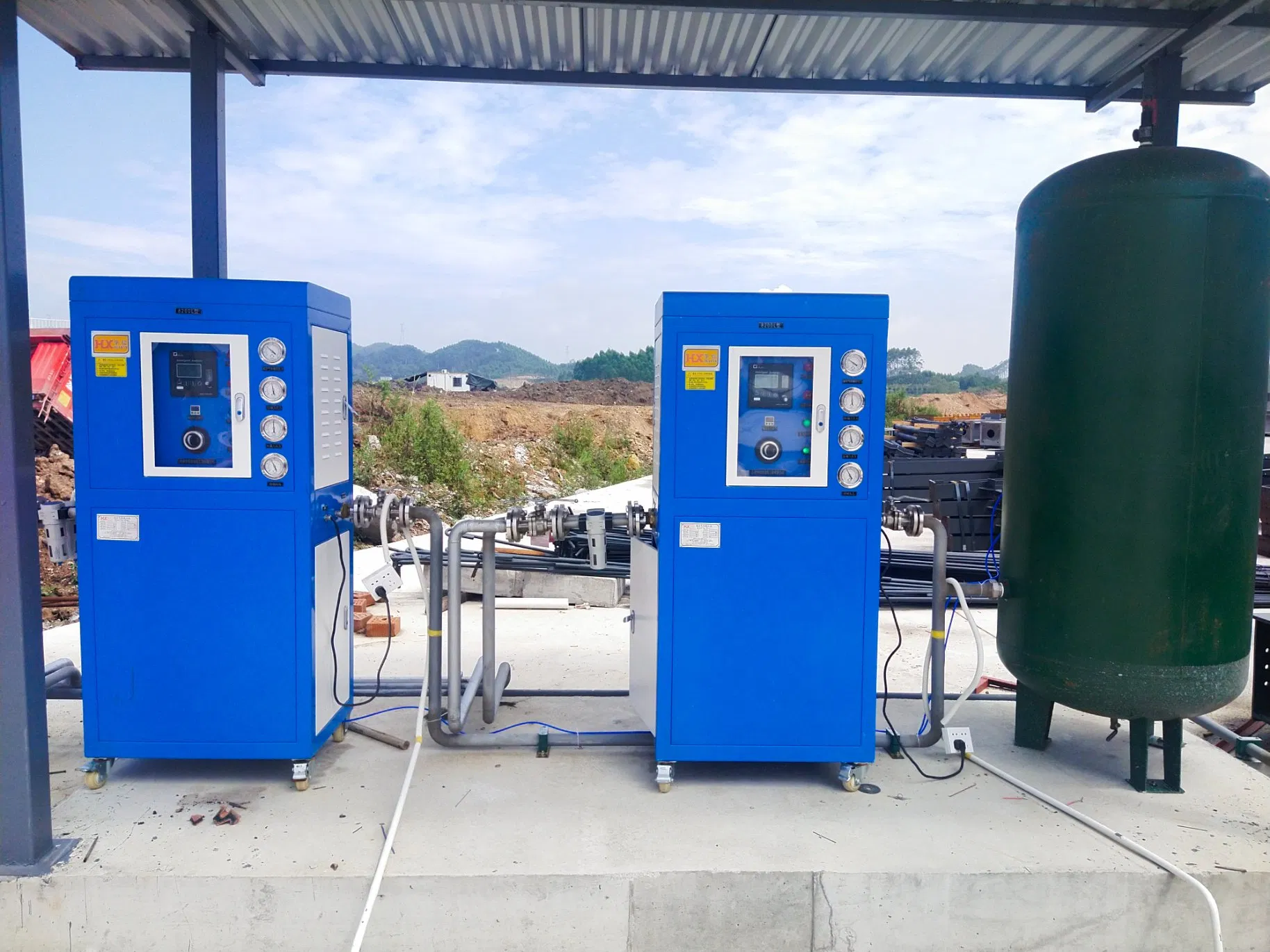
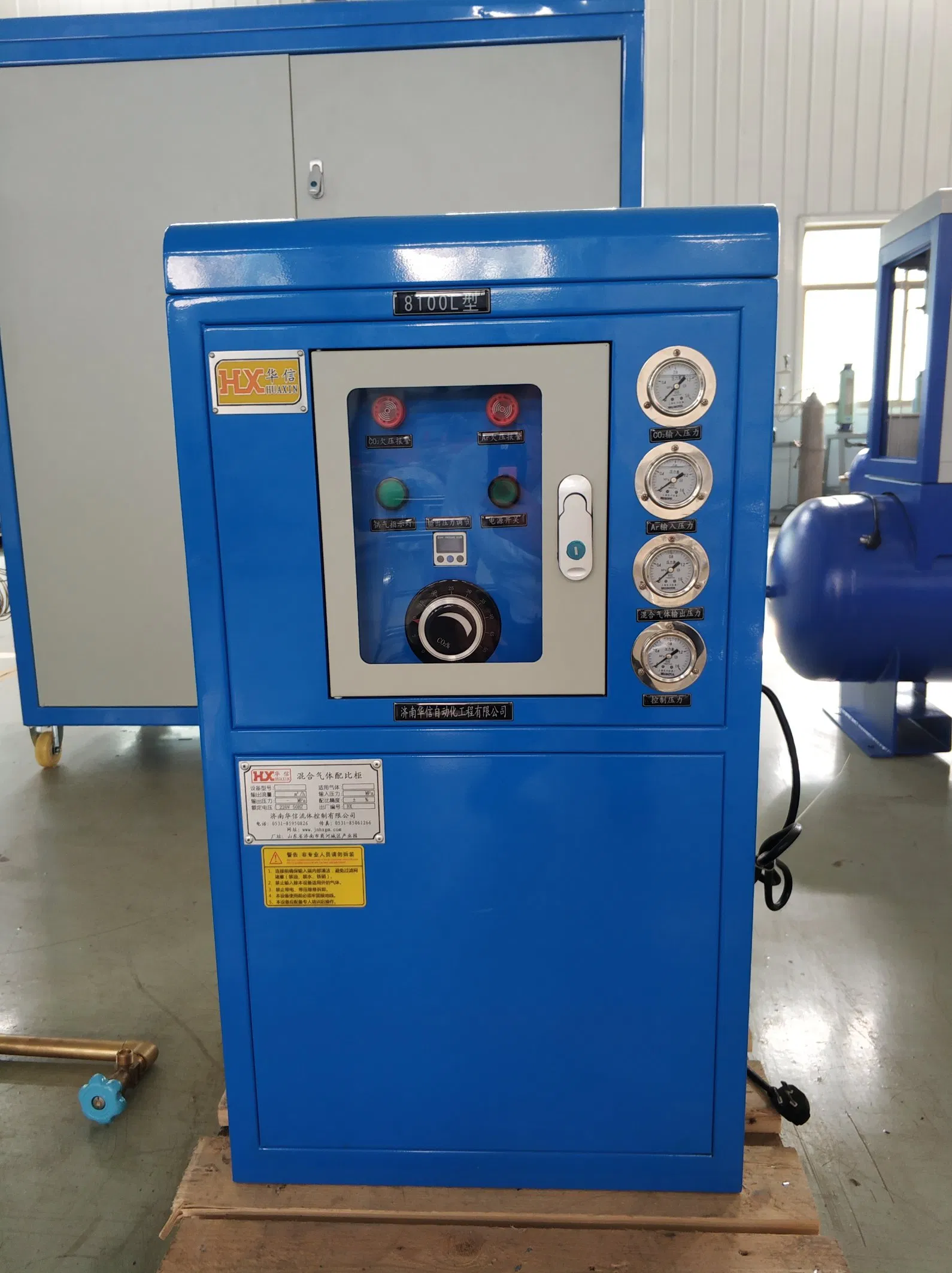
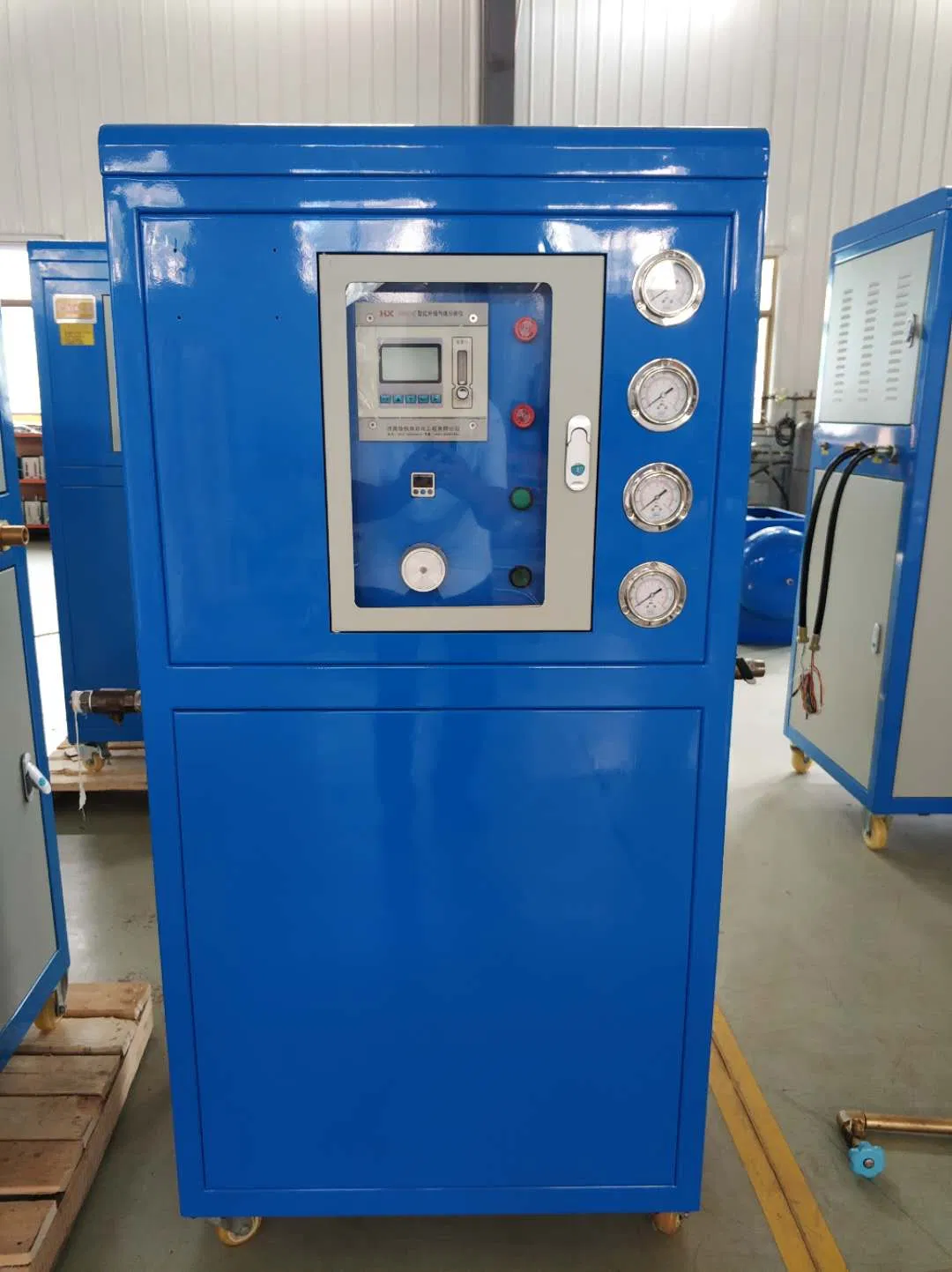
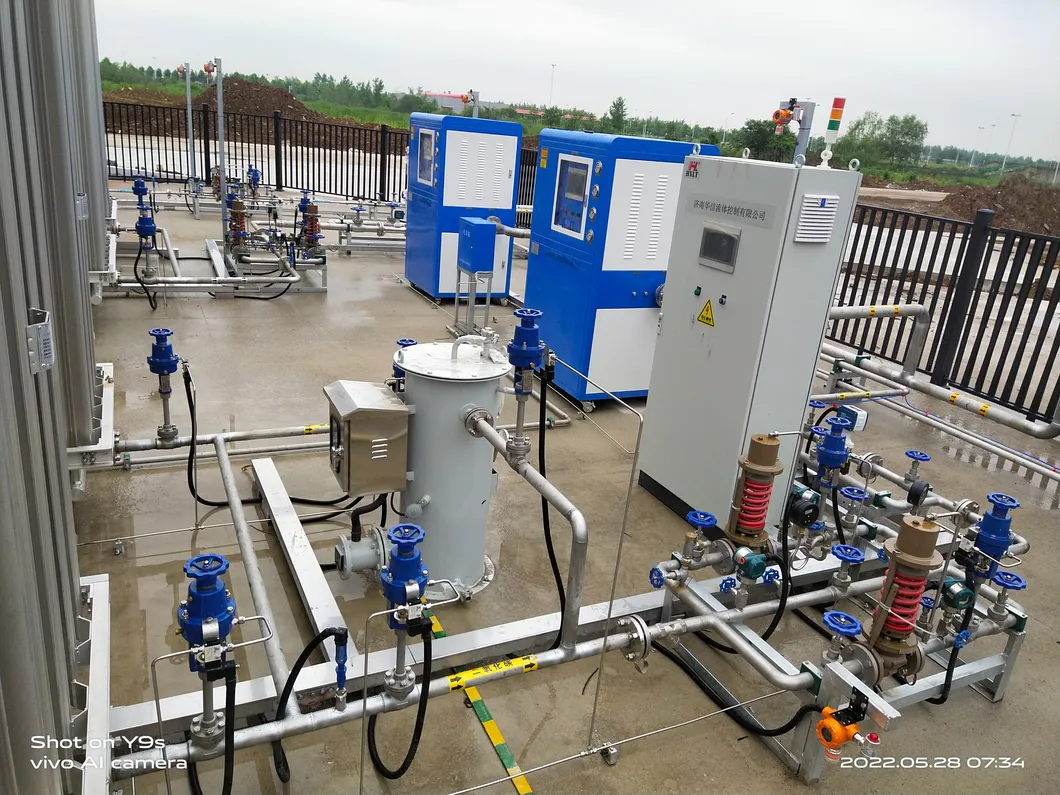
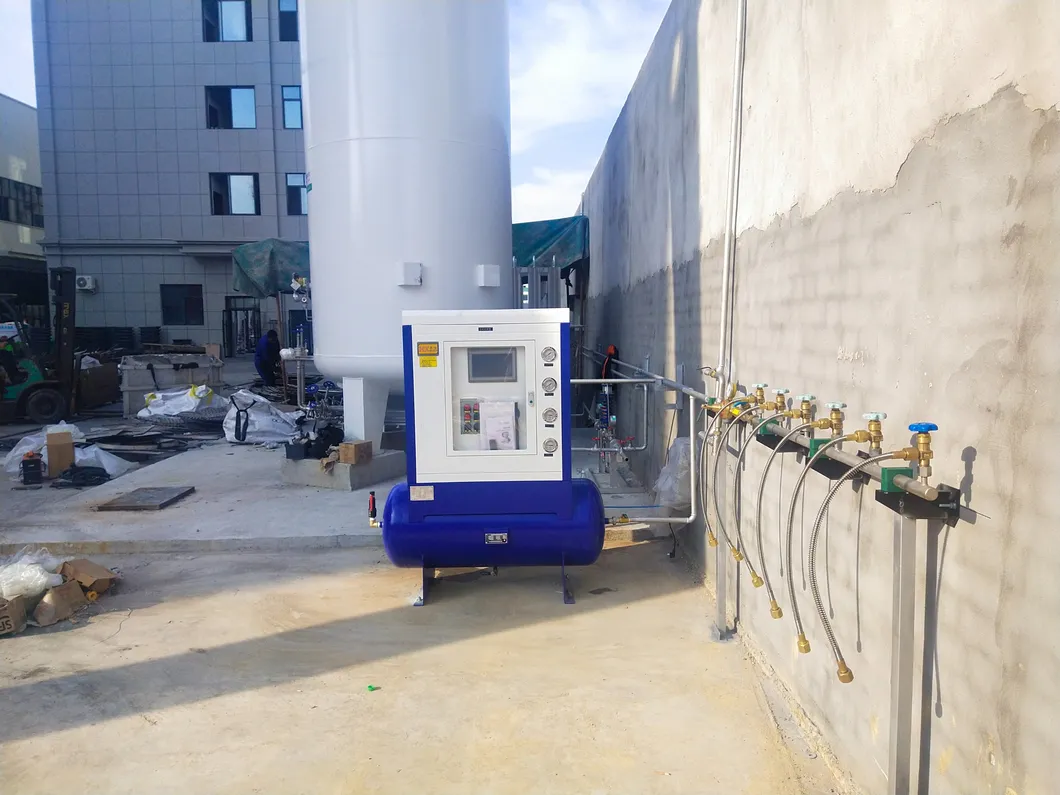
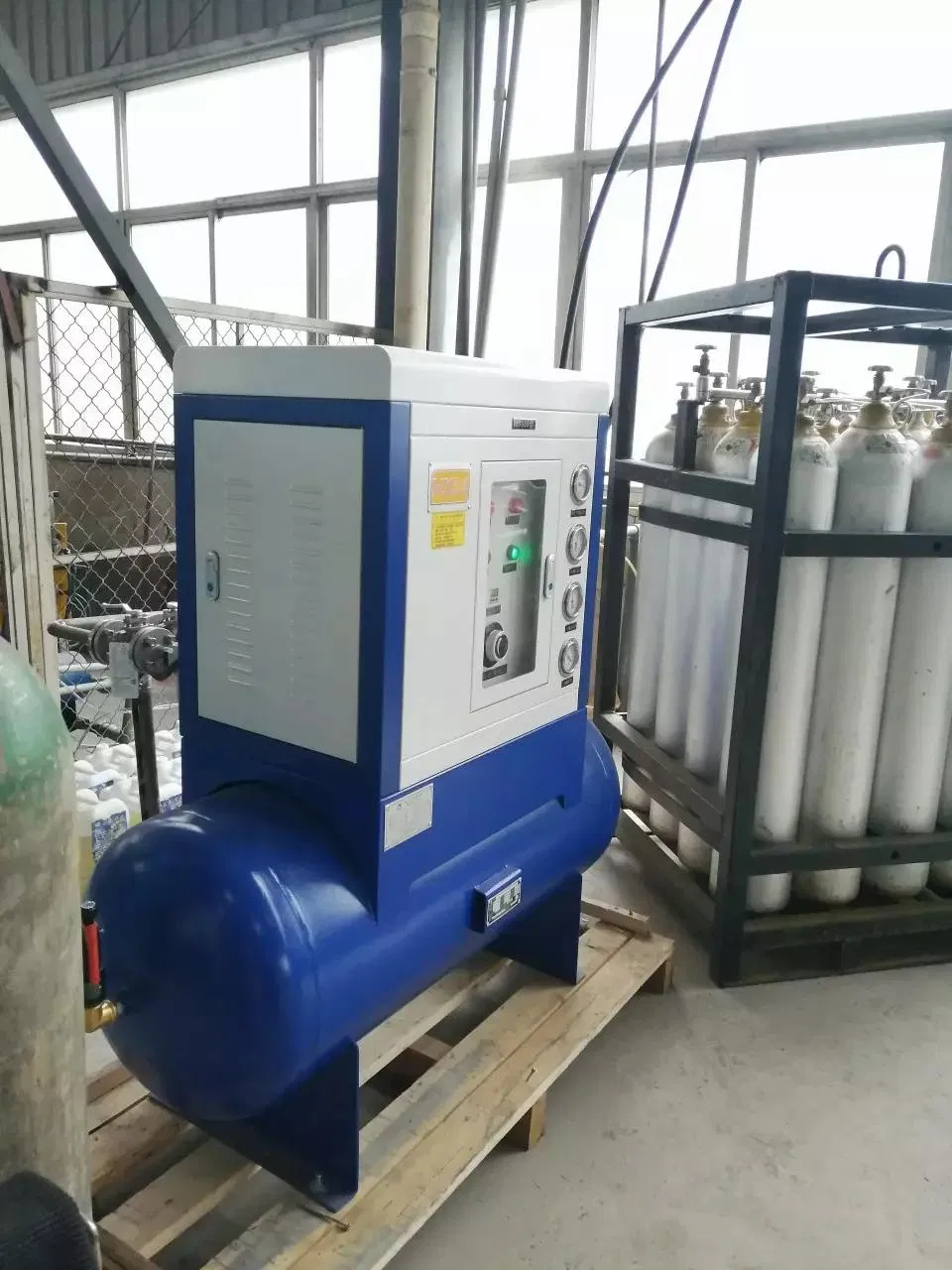
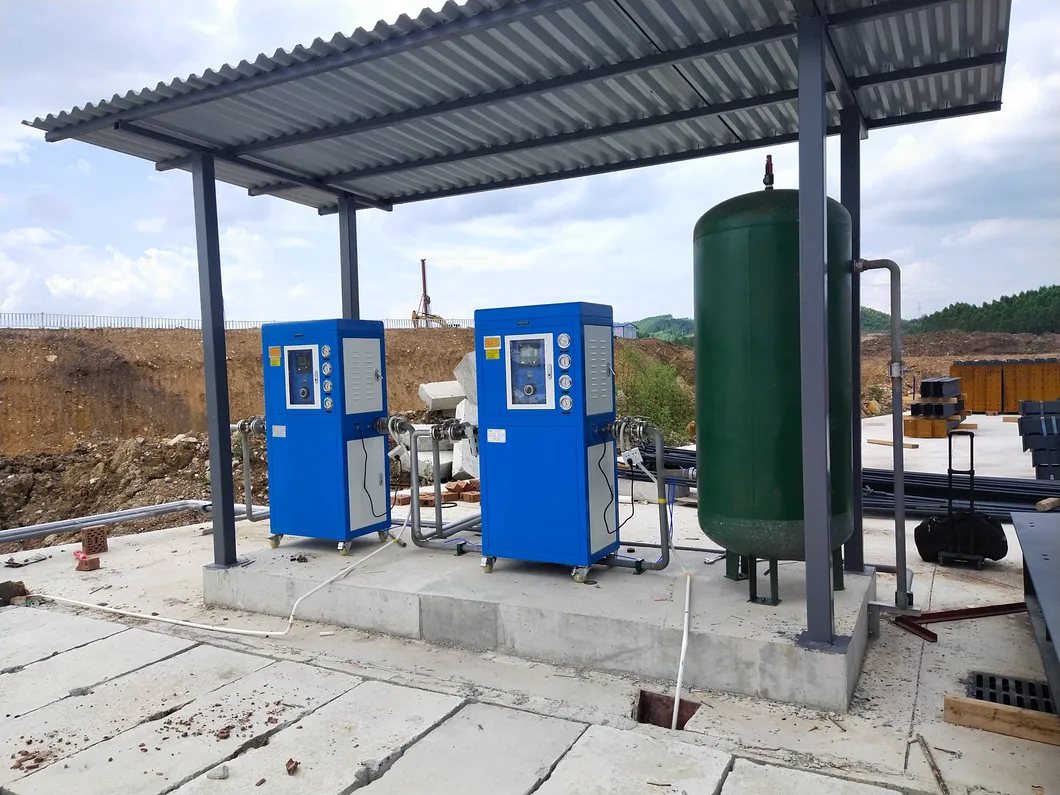
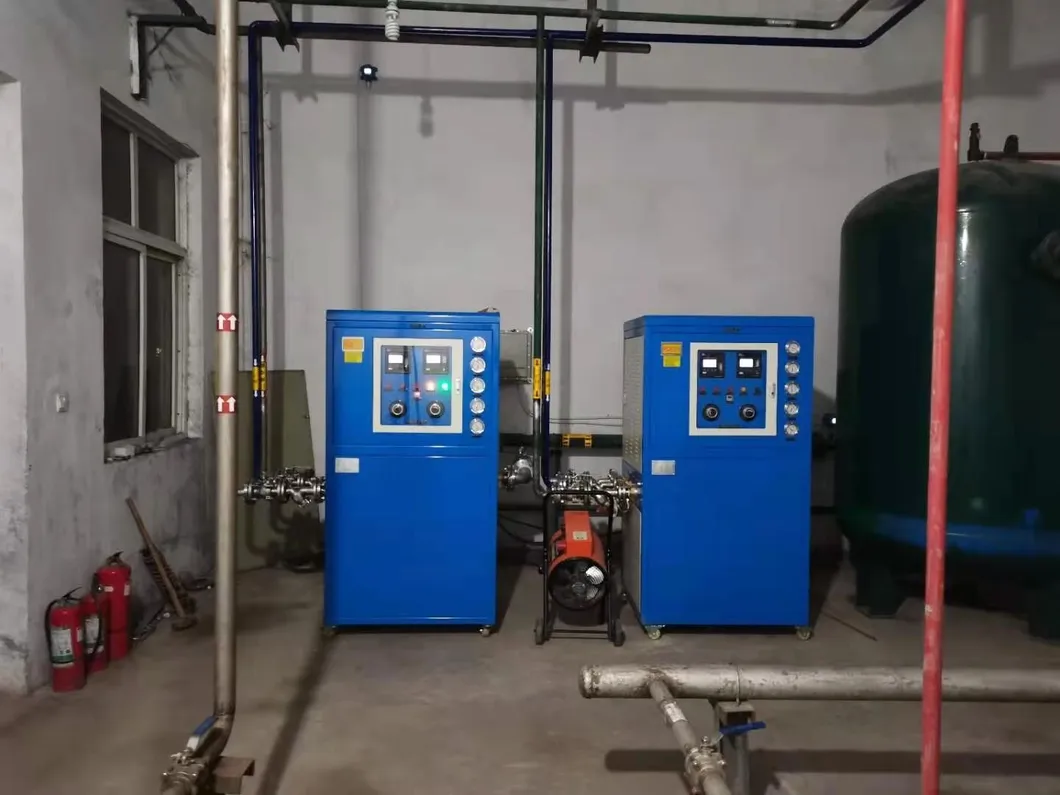
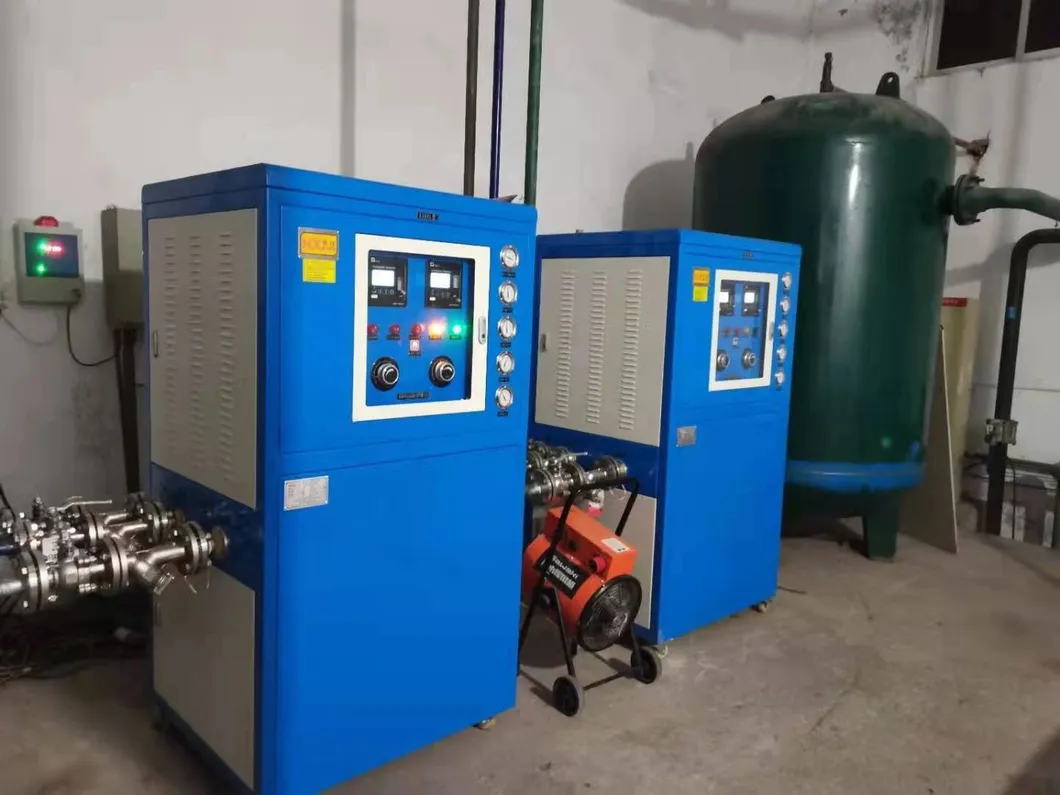
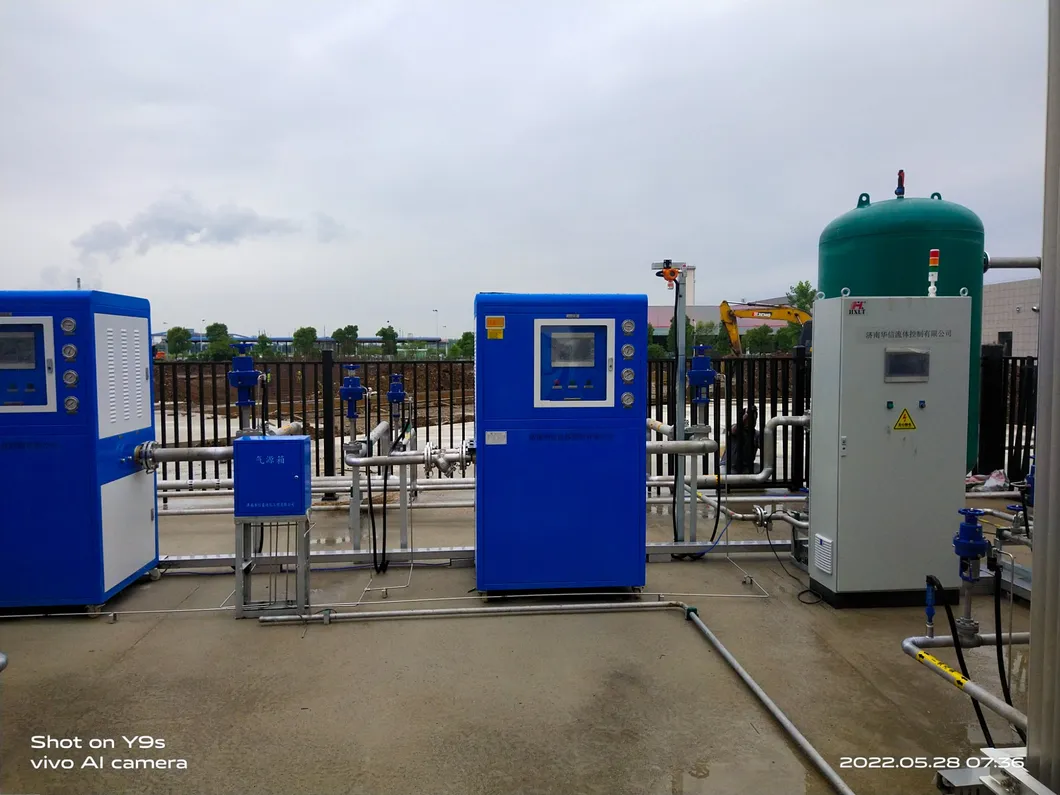
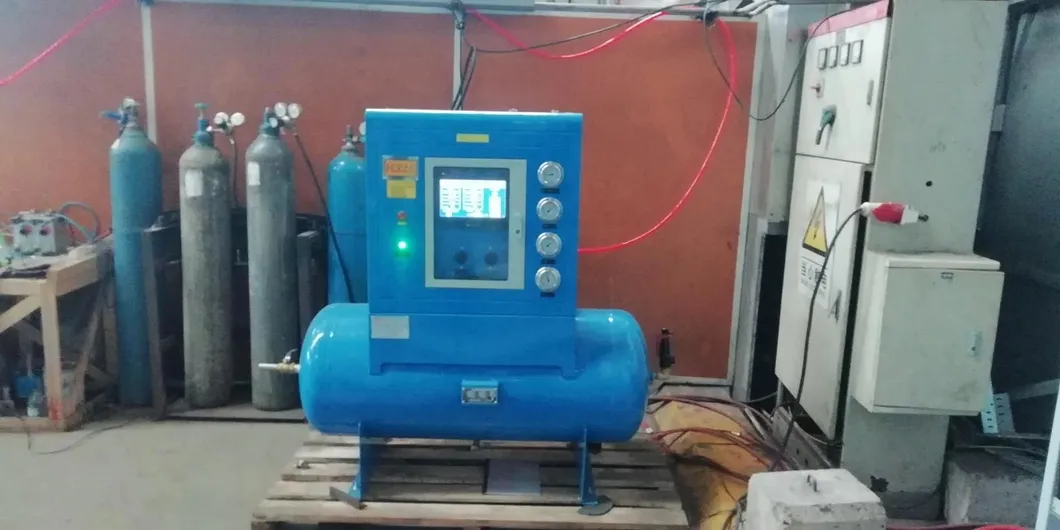
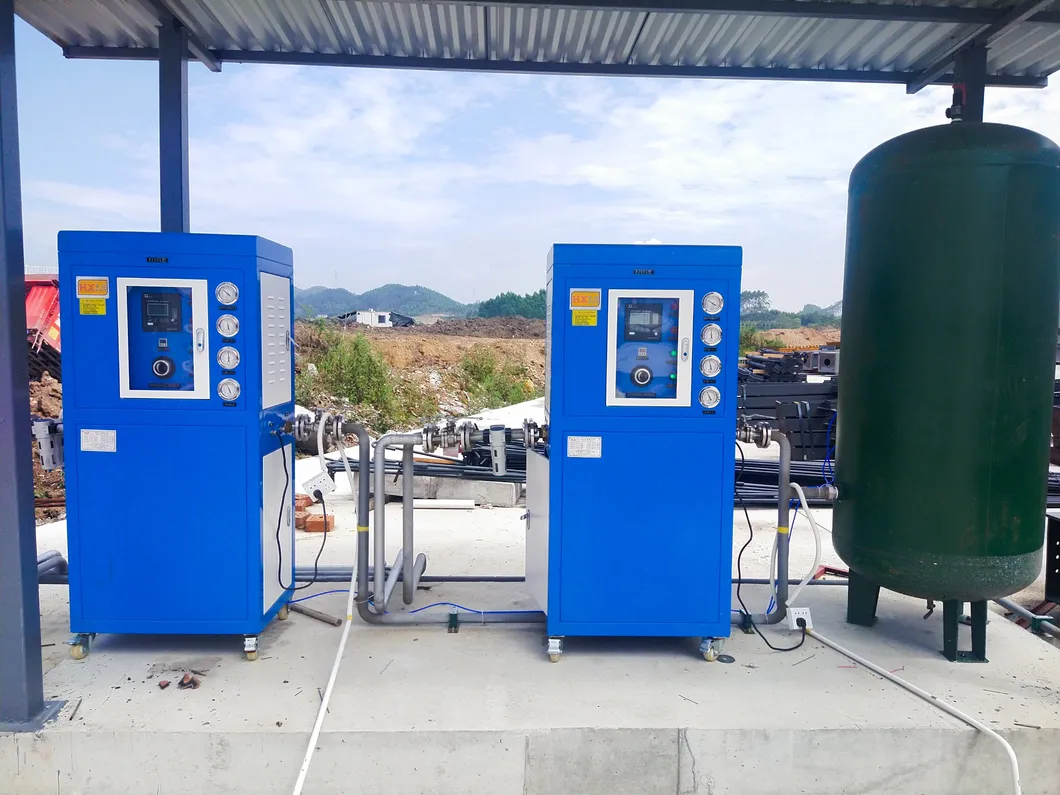
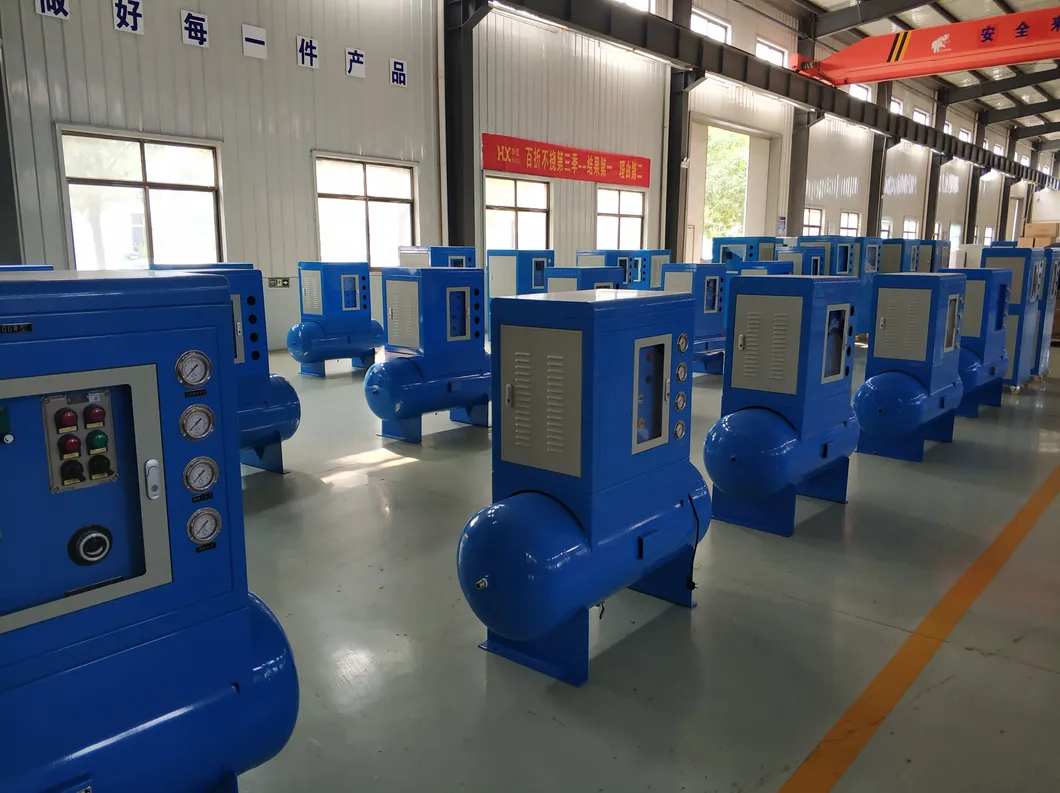
This series of gas mixture proportioning cabinet is specially designed for high precise large flow two-element or multi-element gas proportioning. Input and output pressure of the product is adjustable and settable by itself. Thus, it can realize automatic control. It is equipped with an infrared analyzer. Consequently, the digital display of the proportioning content is more visualized and proportioning precision is higher.
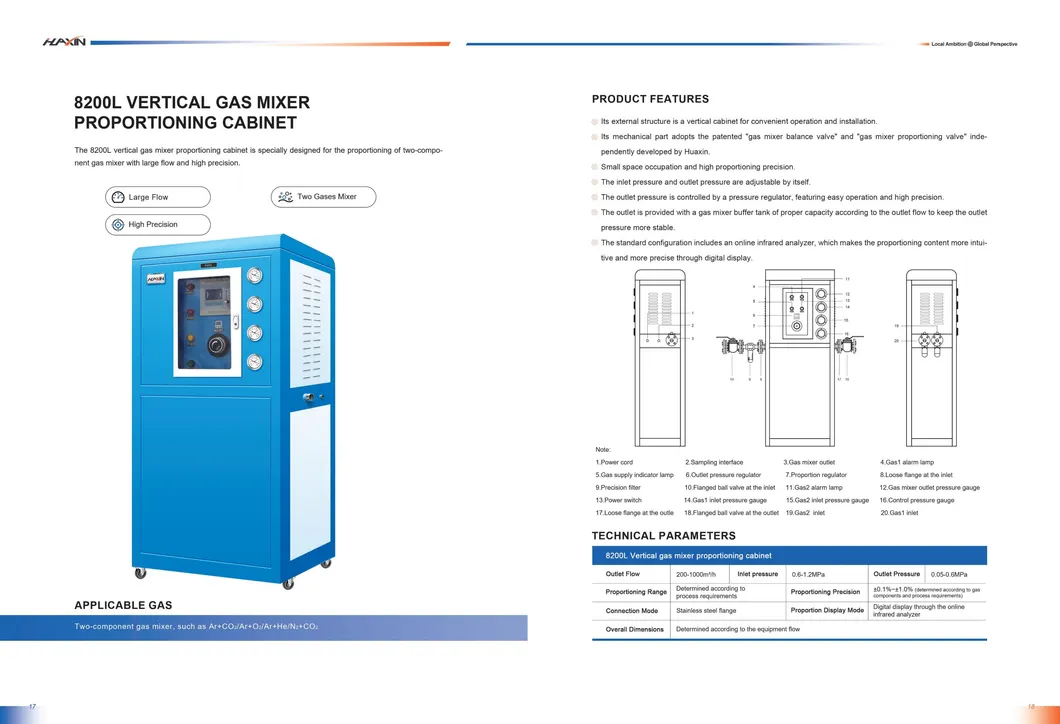
Gas Distribution System
Technical Parameters (8200L Series)
Output Flow 200-1000m3/h
Inlet Pressure 0.6-1.2MPa
Outlet Pressure 0.3-0.4MPa
Applicable Gas Ar+CO2 / Ar+O2 / Ar+CO2+O2 / Ar+H2 / Ar+He / N2+CO2 and other two-element or multi-element gases
Proportioning Range Arbitrarily adjustable according to technological requirements
Proportioning Precision ±1.0 % (Designed per specific constituents)
Connection Type Stainless steel flange plate
Dimension 860mm × 690mm × 1660mm
Product Gallery
Gallery 1
Gallery 2
Gallery 3
Gallery 4
Gallery 5
Gallery 6
Gallery 7
Gallery 8
Gallery 9
Gallery 10
Frequently Asked Questions
What is a gas mixer?
A gas mixer is a device designed to blend two or more gases in a precise and controlled manner. It ensures that the final gas mixture has a specific composition, which is crucial in many applications such as semiconductor manufacturing.
What are the main applications of gas mixers?
Main applications include industrial manufacturing (metal annealing), medical field (respiratory therapy), and laboratory research where specific reactant ratios are required for experiments.
How does a gas mixer work?
Common types use mass flow controllers to measure and control individual gas flow rates before blending them in a mixing chamber. Other systems may use pressure-based mechanisms to achieve the desired mixing ratio.
What factors should be considered when choosing a gas mixer?
Key factors include required mixing accuracy, the necessary flow rate range for your process, and the chemical compatibility of the mixer's materials with the specific gases being used.
How do you maintain a gas mixer?
Regular calibration of mass flow controllers is essential. You should also check for blockages or leaks, clean components periodically, and replace worn-out seals or valves promptly.
What safety precautions are necessary?
Essential precautions include regular leak detection, ensuring proper ventilation in the operating area, and strictly adhering to the maximum pressure and flow rate limits specified by the manufacturer.

Related Products